


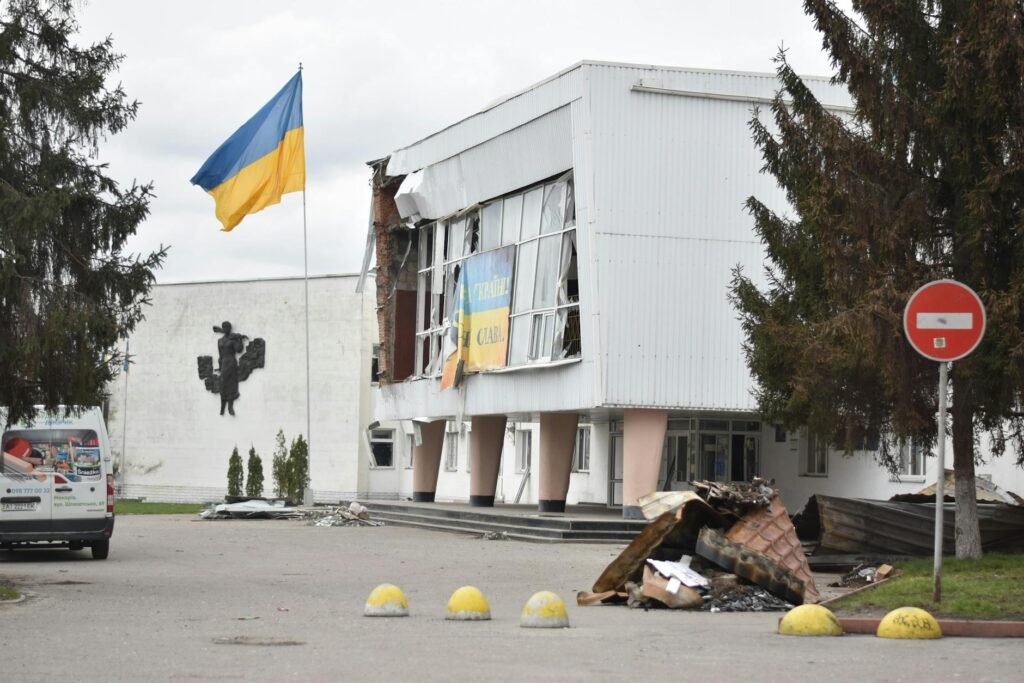
A recent surge in Russian missile and drone attacks across Ukraine has resulted in the deaths of at least 15 individuals, marking one of the most intense escalations in months. The renewed offensive dispels earlier hopes of a potential lull in hostilities coinciding with the Orthodox Easter period. The attacks have targeted various civilian areas, causing widespread damage and raising concerns about the humanitarian impact on the ground. The continuous barrages have strained Ukraine’s air defense capabilities, triggering calls for increased international support to bolster the nation’s protection against aerial threats. The timing of the strikes suggests a deliberate effort to undermine any prospect of de-escalation, signaling a protracted conflict with severe consequences for the region’s stability.
Reports detail the use of advanced weaponry, including cruise missiles and precision-guided drones, in the recent attacks. These weapons systems have enabled the targeting of critical infrastructure and densely populated urban centers, exacerbating the risk to civilians. Emergency services are struggling to cope with the aftermath, as rescue teams work tirelessly to locate survivors amid the rubble and provide medical assistance to the injured. According to reports, the attacks have also disrupted essential services, such as electricity and water supplies, further compounding the hardships faced by Ukrainian citizens.
As per information available with TahirRihat.com, the international community has reacted with condemnation, urging Russia to cease its military operations and engage in meaningful dialogue to resolve the conflict. Several nations have pledged additional financial and military aid to Ukraine, seeking to strengthen its ability to defend itself against ongoing aggression. The United Nations has also expressed deep concern over the escalating violence, calling for an immediate cessation of hostilities and the protection of civilian lives. Diplomatic efforts are underway to explore avenues for de-escalation, but prospects for a breakthrough remain uncertain amid the persistent fighting.
The recent escalation has prompted a reassessment of the security situation in Eastern Europe, with neighboring countries on high alert for potential spillover effects. The heightened tensions have also triggered a fresh wave of displacement, as civilians flee the affected areas in search of safety. Humanitarian organizations are working to provide assistance to those displaced, but the scale of the crisis is overwhelming available resources. The long-term implications of the conflict are becoming increasingly apparent, as the destruction of infrastructure and the loss of life threaten Ukraine’s economic and social fabric.
The ongoing conflict has highlighted the complexities of modern warfare, with the use of drones and missiles blurring the lines between combatants and civilians. The international legal framework governing armed conflict is being tested by the evolving nature of hostilities, raising questions about accountability and the protection of human rights. The situation in Ukraine underscores the urgent need for a renewed commitment to diplomacy and conflict resolution, but the path towards a peaceful settlement remains fraught with challenges.
The resilience of the Ukrainian people in the face of adversity has been widely praised. Despite the relentless attacks, communities are rallying together to support one another and maintain essential services. However, the psychological toll of the conflict is immense, with millions struggling to cope with trauma and loss. The need for mental health support and psychosocial assistance is growing, as the long-term consequences of the conflict become more evident. The international community must step up its efforts to address these humanitarian needs and ensure that the victims of the conflict receive the care and support they require.


Tahir Rihat (also known as Tahir Bilal) is an independent journalist, activist, and digital media professional from the Chenab Valley of Jammu and Kashmir, India. He is best known for his work as the Online Editor at The Chenab Times.