


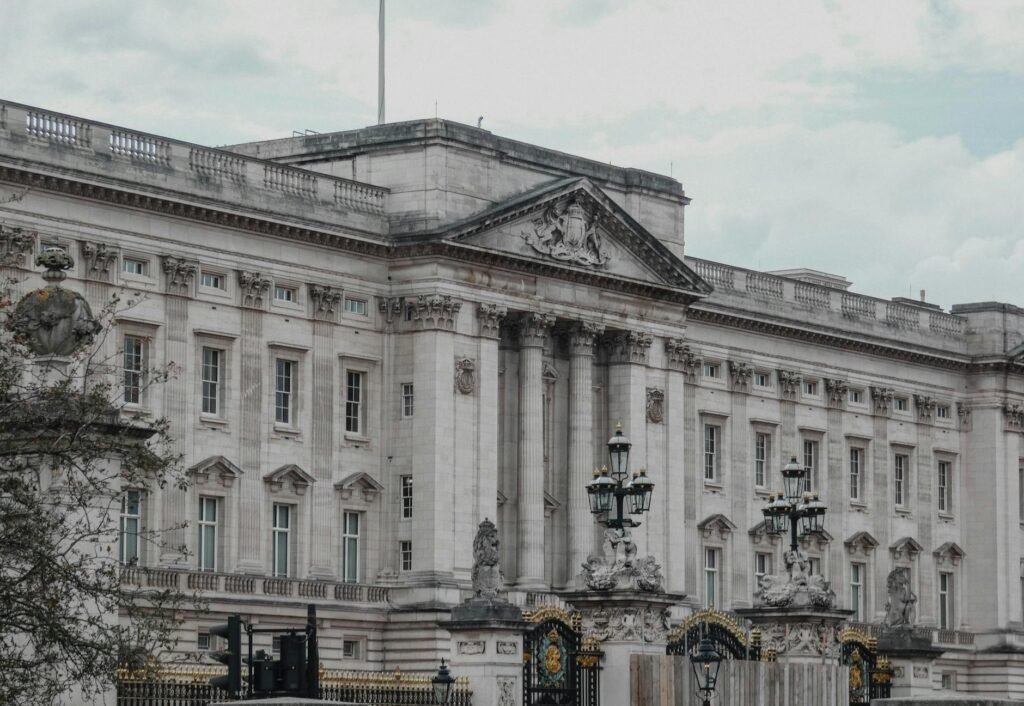
As King Charles III and Queen Camilla prepare for a state visit to the United States, a journey that will include a meeting with President Trump, the occasion prompts a reflection on the historical significance and memorable moments of previous royal tours across the Atlantic. These visits, steeped in tradition and diplomatic importance, have often captured the public imagination, offering glimpses into the enduring relationship between the United Kingdom and the United States.
The upcoming state visit is not merely a ceremonial event; it underscores the deep-seated diplomatic ties and shared history between the two nations. As per information available with TahirRihat.com, such high-profile exchanges serve to reinforce alliances, foster cultural understanding, and address contemporary global challenges. The itinerary, which typically includes official receptions, state dinners, and engagements with political leaders and cultural figures, is meticulously planned to maximize the impact of the royal presence.
Throughout history, British monarchs and their consorts have undertaken numerous journeys to the United States, each leaving its distinct mark. These visits have ranged from official state affairs to more personal engagements, all contributing to the complex tapestry of Anglo-American relations. The anticipation surrounding each royal arrival often mirrors the public’s enduring fascination with the monarchy, blending historical reverence with contemporary interest. The planning for such tours involves extensive coordination between the royal households and the host government, ensuring security, protocol, and public engagement are all addressed with precision.
One of the most significant royal visits in recent memory was Queen Elizabeth II’s 1957 trip, her first to the United States as monarch. This visit was a landmark event, marking a new chapter in post-war relations and highlighting the Queen’s burgeoning role on the global stage. She addressed the United Nations General Assembly, a historic moment that underscored her commitment to international diplomacy and peace. The Queen’s address was a powerful statement of intent, signaling a new era of engagement for the British monarchy in global affairs. Her interactions with President Dwight D. Eisenhower were closely watched, symbolizing the strong bond between the two allied nations during the Cold War era. The visit was characterized by a series of high-profile events, including a state dinner at the White House and a visit to Jamestown, Virginia, to commemorate the 350th anniversary of the first permanent English settlement in North America. This historical resonance added a layer of depth to the diplomatic exchanges, connecting the present to the shared colonial past.
Another notable occasion was the visit of Queen Elizabeth II and Prince Philip in 1976, coinciding with the United States’ Bicentennial celebrations. This visit was imbued with a sense of historical continuity, as the Queen, representing a nation that had once been a colony, was welcomed as a distinguished guest at the celebration of American independence. Her presence at the Bicentennial events, including a reception at the White House hosted by President Gerald Ford, symbolized the evolution of the relationship from one of colonial power and subject to that of close allies and partners. The Queen’s address during this period emphasized the shared values and democratic ideals that bound the two nations. The visit also included a tour of Philadelphia, the birthplace of American democracy, further cementing the historical narrative of their shared heritage. The pageantry and formal ceremonies associated with the Bicentennial visit were a testament to the enduring respect and affection between the two countries.
More recently, the visit of Prince Charles and Princess Diana in 1985 was a highly anticipated event, drawing immense public attention. Their tour included engagements in Washington D.C. and other cities, where they met with President Ronald Reagan and engaged with various community groups. The visit was marked by a blend of official duties and public appearances that showcased the couple’s charisma and the enduring appeal of the royal family. Princess Diana, in particular, captivated the American public with her grace and style, making the visit a significant cultural moment. The engagements ranged from formal diplomatic functions to more informal interactions, allowing for a broader connection with the American populace. The visit highlighted the evolving role of the monarchy in a modern world, with a focus on humanitarian causes and cultural exchange. The media coverage was extensive, reflecting the significant public interest in the royal couple and their activities.
The state visit of King Charles III and Queen Camilla with President Trump represents the latest chapter in this long history of royal travel to the United States. Each visit, whether marked by solemn diplomatic discourse or moments of shared cultural celebration, contributes to the ongoing narrative of the special relationship between the United Kingdom and the United States. The careful choreography of such visits, from the choice of venues to the selection of guests, reflects a deliberate effort to convey specific messages about the state of bilateral relations and shared global aspirations. The historical context of these visits provides a rich backdrop against which current diplomatic endeavors are understood, underscoring the deep roots and continuous evolution of this crucial international partnership.


Tahir Rihat (also known as Tahir Bilal) is an independent journalist, activist, and digital media professional from the Chenab Valley of Jammu and Kashmir, India. He is best known for his work as the Online Editor at The Chenab Times.