


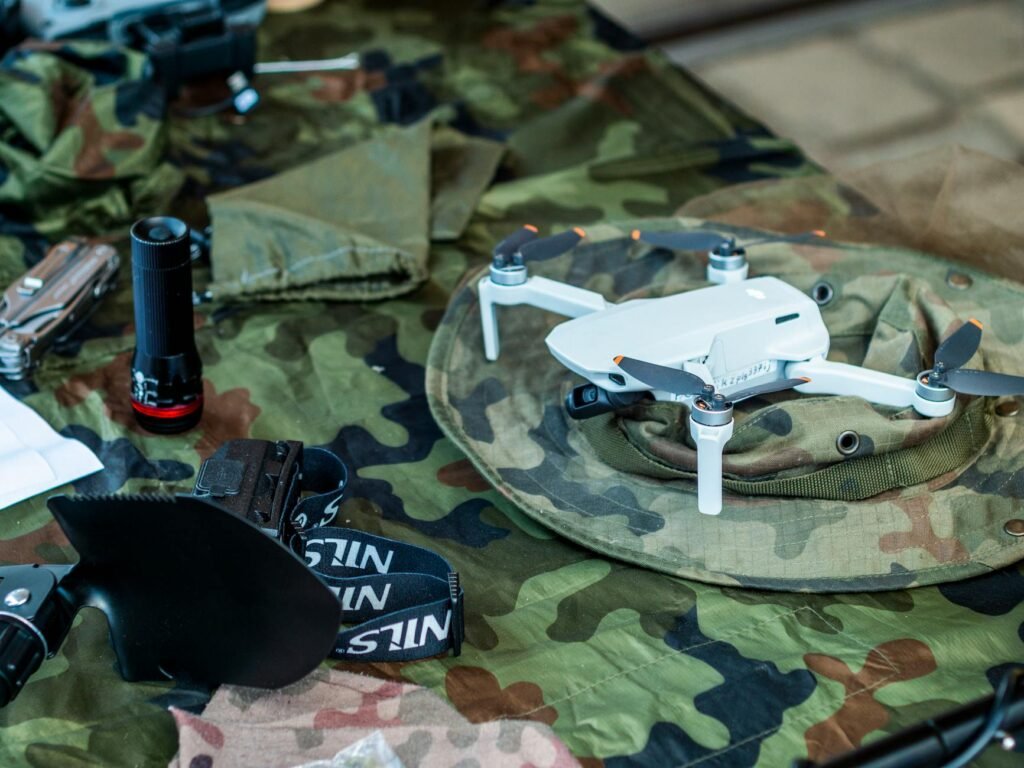
Russia is increasingly targeting students to fill the ranks of its drone forces, as the need for skilled operators intensifies amid ongoing military operations. Recruitment efforts are underway at numerous universities and colleges across the country, signaling a shift in strategy to tap into a younger demographic with potentially relevant technical skills.
The intensified recruitment drive reflects the growing importance of unmanned aerial vehicles (UAVs) in modern warfare. Drones are utilized for reconnaissance, surveillance, target acquisition, and direct attacks, providing a significant advantage on the battlefield. As drone technology advances, the demand for trained operators capable of piloting and maintaining these systems has soared, prompting Russia to seek recruits from educational institutions.
Recruitment sessions are reportedly taking place at a wide range of educational institutions. These sessions aim to attract students studying engineering, computer science, and related fields, with recruiters highlighting the opportunities for career advancement and technological expertise gained through drone operation. The appeal of contributing to national defense, coupled with the promise of specialized training, is proving attractive to some students.
The shift towards recruiting students from universities and colleges represents a change from previous strategies, which primarily focused on attracting experienced military personnel or individuals with prior aviation backgrounds. By targeting students, the Russian military hopes to cultivate a new generation of drone operators with the technical aptitude and adaptability required to operate increasingly sophisticated UAV systems. However, the recruitment tactics employed and the specific promises made to students remain a subject of scrutiny. Concern exists about the transparency of the recruitment process and potential exploitation of young individuals who may not fully grasp the risks involved.
This strategy raises broader questions about the ethical implications of involving students in military operations. International humanitarian law seeks to minimize the involvement of civilians in armed conflicts, and the recruitment of students arguably blurs the lines between civilian and combatant roles. Further concerns arise regarding the potential for psychological distress and trauma among young drone operators exposed to the realities of warfare.
The use of drones in modern conflicts has also generated considerable legal and ethical debate. Some critics argue that the technology enables targeted killings and other actions that violate international law. In addition, the lack of transparency surrounding drone operations makes it difficult to assess the true extent of civilian casualties and collateral damage. As drone technology continues to evolve, these concerns will likely intensify, demanding increased attention and scrutiny from policymakers and human rights organizations.
India, too, has been actively developing its drone capabilities. Observing global trends, the Indian armed forces are incorporating drones for surveillance along disputed borders and for logistical support in remote areas. Recognizing the importance of skilled personnel, several Indian universities and technical institutes have introduced courses on drone technology, operations, and maintenance. This reflects a growing awareness of the strategic importance of UAVs and the need for a trained workforce to support their deployment.
In Jammu and Kashmir, drones are increasingly used for security and surveillance purposes. Security forces deploy drones to monitor border areas, track militant activity, and manage crowds during public events. However, the use of drones in the region has also raised concerns about privacy and potential misuse of technology. There are ongoing debates about the need for clear regulations and oversight mechanisms to ensure that drones are used responsibly and ethically.
Efforts by countries like Russia to reinforce their drone forces are expected to have global repercussions, particularly for nations like India which share complex geopolitical landscapes. The need for robust defense strategies, enhanced border security, and advanced technological surveillance capacities has never been more crucial. As drone technology advances, so too must the corresponding ethical and legal frameworks that govern their deployment.
We reviewed available open-source intelligence reports and official statements regarding Russia’s recruitment efforts. While we could not independently verify every claim made by recruitment agencies and participants, the broader trend of intensified recruitment is corroborated by multiple sources. We will continue to monitor this development and provide updates as more information becomes available.


Tahir Rihat (also known as Tahir Bilal) is an independent journalist, activist, and digital media professional from the Chenab Valley of Jammu and Kashmir, India. He is best known for his work as the Online Editor at The Chenab Times.