


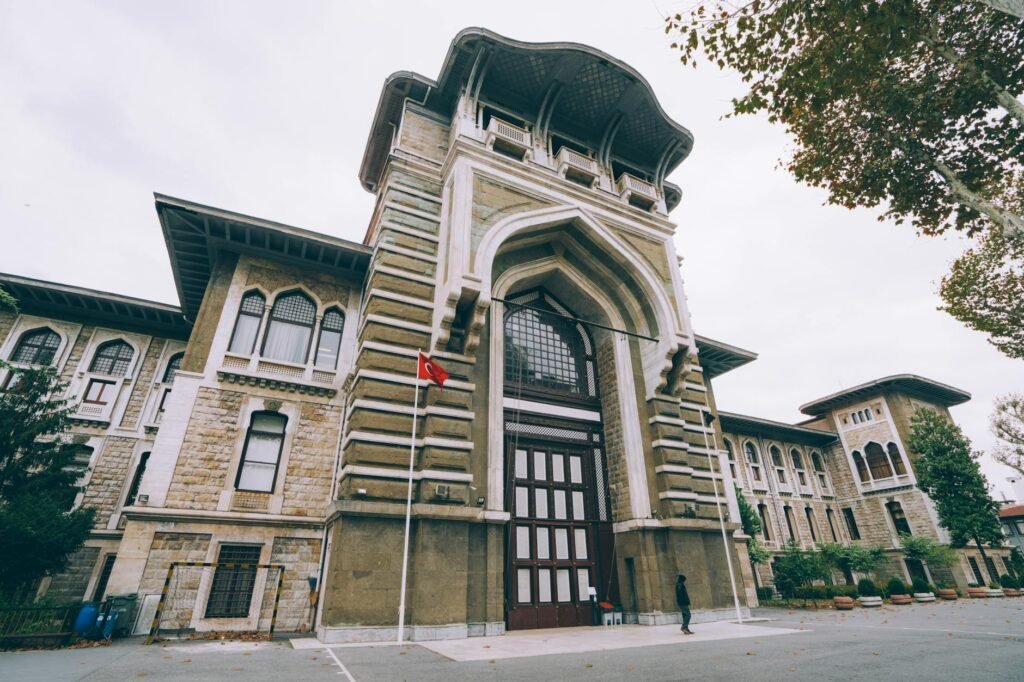
A former student opened fire at a high school in Turkey, wounding sixteen people before taking his own life. The incident occurred in Siverek, a town in the southeastern province of Şanlıurfa. Local authorities are investigating the shooter’s motives. Initial reports indicate the attacker acted alone, but a thorough investigation is underway to rule out any accomplices or external influences.
The shooting has prompted increased security measures at schools across Turkey. The Ministry of Education has announced a review of safety protocols and is considering implementing stricter access controls. Psychological support is being offered to students and staff at the affected school. Trauma counseling teams have been dispatched to Siverek to assist those impacted by the violence. The incident has raised concerns about the accessibility of weapons and the mental health of young people.
President Recep Tayyip Erdoğan expressed his condolences to the victims and their families. In a televised address, he condemned the attack and vowed to take steps to prevent future tragedies. The Turkish parliament is expected to debate new legislation aimed at curbing gun violence and improving mental health services. Opposition parties have called for a comprehensive investigation into the circumstances surrounding the shooting. They argue that the government must address the root causes of violence in schools and create a safer environment for students.
The southeastern region of Turkey has faced numerous challenges in recent years, including economic hardship and security concerns related to the ongoing conflict in neighboring Syria. These factors may have contributed to a sense of despair and hopelessness among some young people. Community leaders in Siverek are working to promote reconciliation and healing. They are organizing interfaith dialogues and cultural events to foster a sense of unity and solidarity. The local municipality has pledged to provide financial assistance to the victims and their families. They are also planning to build a memorial dedicated to those affected by the shooting.
The incident in Siverek follows a series of similar attacks in schools around the world, raising questions about school safety and security measures. Experts are calling for a multi-faceted approach to address the issue, including improved mental health services, stricter gun control laws, and enhanced security measures in schools. The Indian government has also taken note. In India, school safety guidelines are already in place, mandating measures like CCTV surveillance, background checks for staff, and mock drills. However, experts believe there is a need for continued vigilance and proactive measures to prevent similar incidents. The Central Board of Secondary Education (CBSE) in India emphasizes psycho-social wellness programs in schools and regular safety audits. But, implementation often varies across institutions. This incident could spur a fresh review of school security protocols in India.
According to Turkish officials, the investigation is focusing on the shooter’s background, including his academic record, social relationships, and any potential mental health issues. Authorities are also examining his online activity to determine if he had any affiliations with extremist groups or individuals. The weapon used in the attack was reportedly obtained illegally. The government is cracking down on illegal gun sales and possession. Turkey’s Interior Ministry has launched a nationwide campaign to raise awareness about the dangers of gun violence. They are also working with local communities to promote responsible gun ownership.
The shooting has reignited the debate about the role of media in reporting on such incidents. Some critics argue that sensationalized coverage can inspire copycat attacks. Others maintain that responsible reporting is essential to inform the public and hold authorities accountable. Media organizations in Turkey have been urged to exercise caution and avoid glorifying violence. They have also been asked to focus on the victims and their stories of resilience. Social media platforms are also playing a role in disseminating information about the shooting. However, there are concerns about the spread of misinformation and hate speech. Authorities are working to combat online extremism and promote responsible online behavior.
The long-term impact of the shooting on the community of Siverek remains to be seen. Many residents are still struggling to come to terms with the tragedy. They are seeking solace in their faith and their families. The Turkish government has promised to provide ongoing support to the community. They are committed to helping Siverek heal and rebuild.
The incident has prompted discussions about school safety protocols in various countries. Many are assessing and reinforcing current measures. India’s National Crime Records Bureau (NCRB) publishes annual statistics on crimes against children, including incidents in educational institutions. While school shootings are rare in India, other forms of violence and abuse are a concern. The debate in India is more oriented towards preventing bullying, harassment, and ensuring safe infrastructure.
The shooter had been expelled from the school a year prior to the tragic event. The reason for his expulsion is under investigation. This expulsion might hold clues to his motives and mental state leading up to the shooting. Officials are interviewing former classmates, teachers, and family members to gain a comprehensive understanding of the events that transpired and the shooter’s mindframe.


Tahir Rihat (also known as Tahir Bilal) is an independent journalist, activist, and digital media professional from the Chenab Valley of Jammu and Kashmir, India. He is best known for his work as the Online Editor at The Chenab Times.