


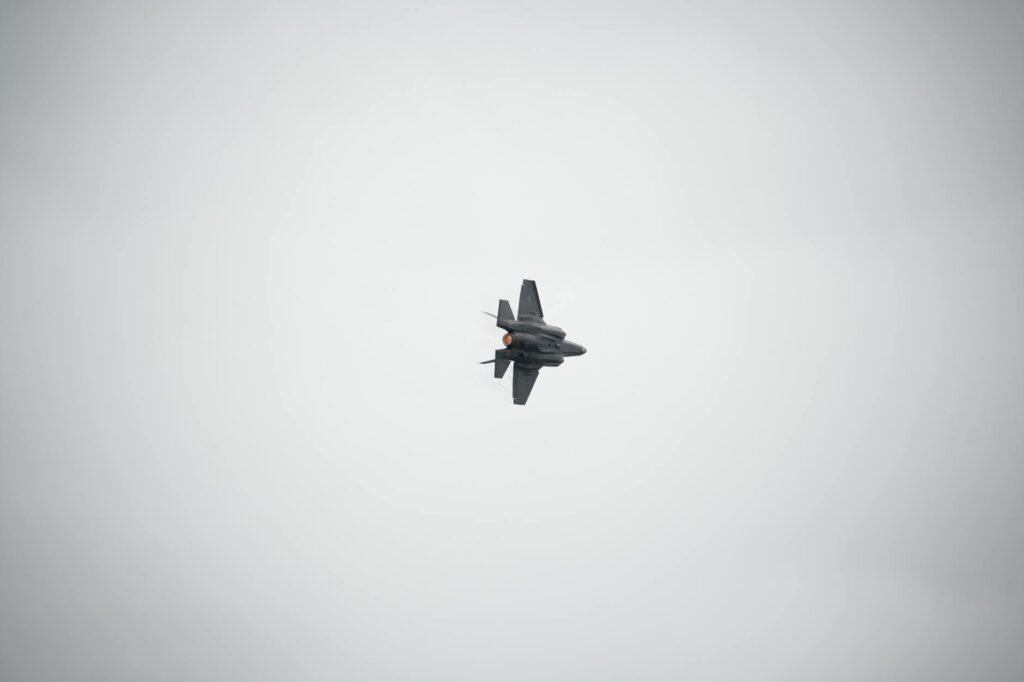
A pilot in one of the two South Korean fighter jets that collided in mid-air in January 2021 was reportedly taking pictures and making a video to commemorate the mission shortly before the incident. This detail emerged from a government report investigating the crash, which involved two T-50B trainer jets during a training exercise. The accident, which occurred over Sacheon, South Gyeongsang Province, resulted in the tragic loss of three pilots but thankfully did not cause any civilian casualties on the ground.
Information reaching TahirRihat.com suggests that the crew member of the other aircraft was also engaged in recording the mission. The government’s findings, as detailed in the investigative report, shed light on the activities of the pilots in the moments leading up to the catastrophic event. The T-50B, a supersonic advanced jet trainer, is operated by the Republic of Korea Air Force for both training and aerobatic display purposes. The crash was a significant event for the South Korean military, prompting a thorough review of training protocols and flight safety procedures.
The investigation aimed to ascertain the precise cause of the collision, which remains a critical question for the air force and the families of the deceased pilots. While the report points to the pilots’ recording activities, the exact sequence of events and the contributing factors to the mid-air collision are central to the inquiry. The T-50B aircraft are known for their advanced capabilities, and their operation requires a high degree of skill and adherence to strict safety measures. The incident underscored the inherent risks associated with advanced aerial training exercises, even in controlled environments.
The South Korean government’s report, which has been made public, provides a detailed account of the findings. The focus on the pilots’ actions, specifically their use of cameras and video recorders, raises questions about situational awareness and adherence to flight safety regulations during critical phases of training. The investigation would have meticulously examined flight data recorders, radar information, and witness testimonies to piece together the events. The loss of life in such training accidents is always a profound concern for any military organization, and the findings are crucial for preventing future tragedies. The nature of aerobatic training, which often involves close proximity flying and complex maneuvers, demands unwavering concentration from all crew members involved.
The T-50B is a product of a joint venture between Korea Aerospace Industries (KAI) and Lockheed Martin, designed to meet the advanced training needs of modern air forces. Its capabilities include simulating combat aircraft and providing pilots with experience in high-performance flight envelopes. The aircraft involved in the collision were part of the Black Eagles aerobatic team, known for its spectacular displays. The accident cast a somber shadow over the team’s operations and led to the suspension of their activities pending the outcome of the investigation. The report’s emphasis on the pilots’ personal recording activities, while not necessarily the sole cause, is a significant detail that investigators would have considered in their analysis of the accident’s contributing factors. The psychological aspect of such missions, including the desire to document significant events, is a factor that can be examined in the context of operational discipline.
The government’s report, according to sources familiar with the investigation, would have delved into the specific flight paths, altitudes, and speeds of the two aircraft at the time of the collision. It would also have assessed the communication protocols between the pilots and air traffic control, if applicable, and the internal communications within the aircraft. The weather conditions on the day of the accident would have been another critical factor considered. The investigation’s thoroughness is paramount to ensuring that all lessons learned are incorporated into future training programs and operational procedures. The aim is always to enhance safety without compromising the effectiveness of the training. The use of personal electronic devices, including cameras and video recorders, during flight operations is typically governed by strict military regulations, and any deviation from these protocols would be a key area of scrutiny.
The implications of the report’s findings extend beyond the immediate investigation. They could lead to revised training curricula, updated safety guidelines, and potentially new technologies or procedures to monitor pilot activity and ensure undivided attention during critical flight phases. The South Korean Air Force, like all modern air forces, places a high premium on flight safety, and incidents like this serve as stark reminders of the challenges involved in maintaining that standard. The report’s disclosure of the pilots’ recording activities could also prompt a broader discussion within military aviation circles about the balance between mission documentation and operational safety. The goal of any investigation into such a serious incident is not only to assign responsibility but, more importantly, to prevent recurrence. The detailed analysis of the events leading up to the collision is crucial for identifying any systemic issues or procedural shortcomings that may have contributed to the tragedy. The loss of skilled pilots is a significant blow to any air force, and understanding the precise circumstances of their demise is essential for honoring their service and ensuring the safety of those who continue to serve.


Tahir Rihat (also known as Tahir Bilal) is an independent journalist, activist, and digital media professional from the Chenab Valley of Jammu and Kashmir, India. He is best known for his work as the Online Editor at The Chenab Times.