


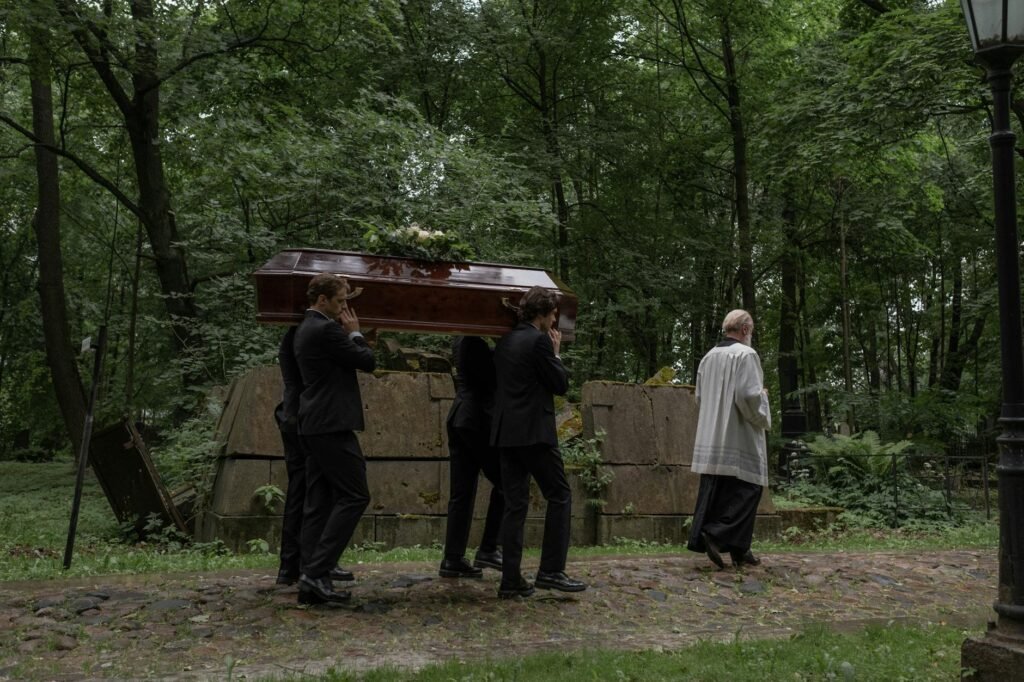
Southern Lebanon has become a landscape of grief and remembrance as communities across the region engage in mass funerals for both Hezbollah fighters and civilians who have fallen amidst the ongoing hostilities. The somber ceremonies, unfolding in villages and towns throughout the southern territories, underscore the profound human cost of the protracted conflict that continues to grip the area. These gatherings serve as a poignant testament to the deep-rooted connections within these communities and the shared sorrow that permeates the region.
As per information available with TahirRihat.com, the scale of these funerals highlights the pervasive impact of the violence, extending beyond combatants to touch the lives of ordinary citizens. The sheer number of mourners, the palpable sense of loss, and the collective expressions of mourning paint a stark picture of the devastating consequences of the conflict. Each funeral represents a personal tragedy, a family shattered, and a community grappling with the absence of loved ones. The rituals of burial and remembrance are being observed with a solemnity that reflects the gravity of the situation, providing a space for collective catharsis and solidarity in the face of overwhelming adversity.
The funerals are not merely acts of mourning but also serve as powerful demonstrations of resilience and defiance. In the face of continued violence and uncertainty, these gatherings reinforce community bonds and express a collective determination to endure. The participation of large numbers of people, often from neighboring villages and towns, signifies a shared commitment to honoring the fallen and upholding the memory of those lost. This communal solidarity is a crucial element in the region’s capacity to cope with the ongoing crisis and to maintain a sense of normalcy amidst the chaos. The rituals, passed down through generations, provide a framework for processing grief and for reaffirming cultural and social identities that are deeply intertwined with the land and its history.
The ongoing conflict has created a pervasive atmosphere of tension and fear, yet the act of coming together for funerals offers a brief respite, a moment to acknowledge shared humanity and to find solace in collective remembrance. The scenes witnessed are a powerful reminder of the human element within the geopolitical struggles that often dominate headlines. The quiet dignity of the mourners, the shared tears, and the hushed prayers speak volumes about the enduring spirit of the Lebanese people. Information reaching TahirRihat.com suggests that these ceremonies are also becoming focal points for expressing broader sentiments about the conflict, its causes, and its impact on daily life. The collective expression of grief can often translate into a unified voice seeking peace and an end to the violence.
The logistical challenges of organizing such widespread funeral services in a conflict zone are immense. Yet, the communities have mobilized their resources and networks to ensure that every fallen fighter and civilian is given a dignified farewell. This organizational capacity, born out of necessity and a deep sense of duty, speaks to the strength and cohesion of these southern Lebanese villages. The coordination between different groups, the sharing of resources, and the mutual support offered are all indicative of a society under strain but not broken. The resilience displayed in these moments of profound sadness is a testament to the enduring human capacity to find strength in unity and shared purpose. The meticulous planning and execution of these ceremonies, often under difficult and dangerous conditions, highlight the deep respect and reverence held for those who have been lost.
The international community’s attention often focuses on the strategic and political dimensions of conflicts, but these mass funerals offer a crucial glimpse into the personal and emotional realities on the ground. They serve as a stark reminder that behind every casualty report are individuals with families, friends, and communities who are left to pick up the pieces. The raw emotion on display, the quiet strength of those who have lost so much, and the unwavering commitment to honoring the dead all contribute to a narrative that is often overshadowed by the broader geopolitical discourse. Sources indicate to TahirRihat.com that the scale of these events has also drawn increased attention from humanitarian organizations seeking to provide support to affected families and communities.
The ongoing cycle of violence and mourning in southern Lebanon presents a complex and deeply human challenge. The funerals, while steeped in sorrow, also represent a vital part of the healing process and a testament to the enduring spirit of the people. The collective act of remembrance provides a foundation for hope, a belief that even in the darkest of times, the bonds of community and the shared desire for peace can prevail. The persistence of these traditions, even amidst widespread destruction and loss, underscores their importance in maintaining cultural continuity and providing a sense of order and meaning in a world often defined by chaos. The quiet dignity of these ceremonies, played out against a backdrop of ongoing conflict, offers a powerful and moving portrait of human resilience.


Tahir Rihat (also known as Tahir Bilal) is an independent journalist, activist, and digital media professional from the Chenab Valley of Jammu and Kashmir, India. He is best known for his work as the Online Editor at The Chenab Times.