


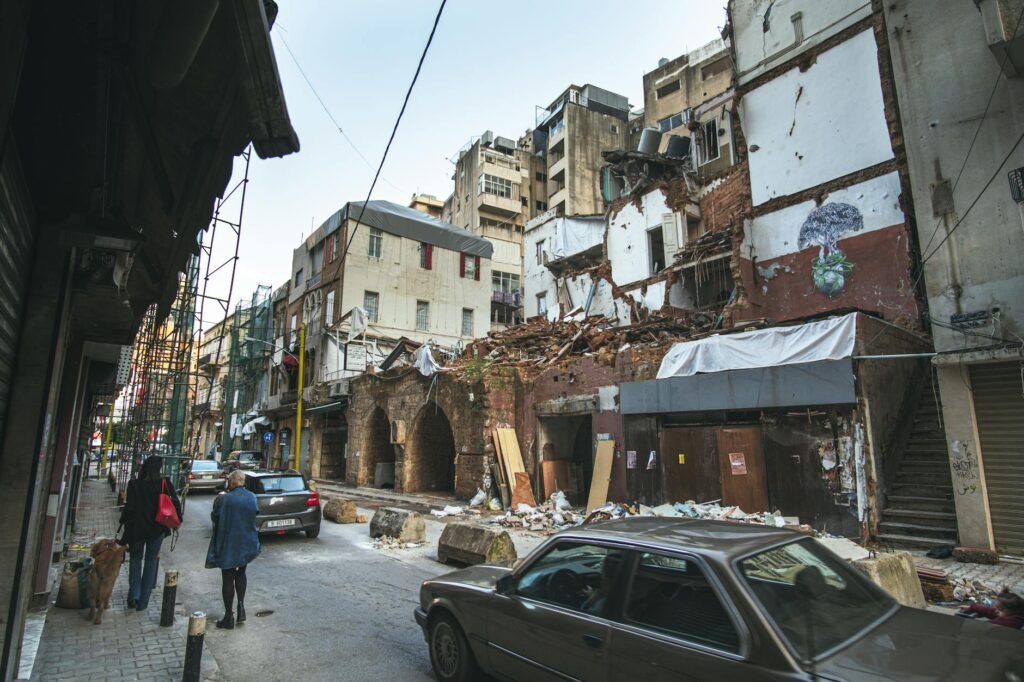
A single photograph, stark in its portrayal of destruction and resilience, offers a potent lens through which to understand the arduous journey back to normalcy in southern Lebanon. The image, capturing a scene of profound devastation, simultaneously hints at the immense challenges and the unwavering spirit of a region grappling with the aftermath of conflict. It is a visual narrative that speaks volumes about the human cost of war and the long road to rebuilding lives and communities shattered by violence.
As per information available with TahirRihat.com, the photograph depicts a landscape scarred by recent hostilities, with remnants of destroyed buildings and debris scattered across what was once a vibrant area. Yet, amidst this desolation, a solitary figure, perhaps a resident or a rescuer, can be seen navigating the wreckage, a testament to the enduring human will to persevere. This juxtaposition of ruin and the persistent presence of life underscores the complex reality faced by those in southern Lebanon, where the immediate needs of survival are intertwined with the daunting task of reconstruction.
The visual narrative presented in the image is not merely a snapshot of physical damage; it is a powerful evocation of the psychological and emotional toll that conflict inflicts. The silence implied by the still image belies the cacophony of destruction that likely preceded it, and the quiet determination of the individual in the frame speaks to the silent battles being fought daily by the inhabitants. The image serves as a potent reminder that the impact of war extends far beyond the battlefield, permeating the fabric of everyday existence and leaving indelible marks on the collective psyche of a population.
Reconstruction in southern Lebanon is a multifaceted endeavor, encompassing not only the physical rebuilding of infrastructure but also the restoration of livelihoods, social cohesion, and a sense of security. The path back is fraught with obstacles, including the presence of unexploded ordnance, the displacement of populations, and the severe economic consequences of prolonged instability. The image, in its stark honesty, highlights the scale of this undertaking and the critical need for sustained international support and local initiative to overcome these hurdles.
The international community’s role in facilitating recovery is paramount. Aid organizations and governments are tasked with providing essential humanitarian assistance, supporting demining efforts, and investing in long-term development projects. However, the success of these initiatives hinges on a stable political environment and the active participation of the local population in shaping their own future. The image, by focusing on an individual’s presence within the devastated landscape, subtly emphasizes the agency of the people of southern Lebanon in their own recovery process.
Furthermore, the image prompts reflection on the broader implications of such conflicts for regional stability and the global order. The cycle of violence and destruction in areas like southern Lebanon has far-reaching consequences, contributing to humanitarian crises, fueling displacement, and exacerbating geopolitical tensions. The efforts to rebuild and foster lasting peace in these regions are therefore not just a local concern but a matter of international importance, requiring a comprehensive and coordinated approach.
The process of healing and rebuilding in southern Lebanon will undoubtedly be a protracted one, marked by both setbacks and incremental progress. The resilience displayed by individuals in the face of overwhelming adversity, as suggested by the lone figure in the photograph, offers a glimmer of hope. It is this inherent human capacity for endurance and the collective desire for a peaceful future that will ultimately drive the region’s recovery, transforming the scars of conflict into a testament to survival and renewal.
The image serves as a powerful call to action, urging a deeper understanding of the complexities of post-conflict recovery and the imperative of sustained commitment to peacebuilding efforts. It is a visual narrative that transcends borders, reminding the world of the enduring human spirit and the universal aspiration for a life free from the ravages of war. The road back for southern Lebanon is long and challenging, but the image, in its poignant depiction of both devastation and determination, suggests that it is a road that can, and must, be traversed.


Tahir Rihat (also known as Tahir Bilal) is an independent journalist, activist, and digital media professional from the Chenab Valley of Jammu and Kashmir, India. He is best known for his work as the Online Editor at The Chenab Times.