


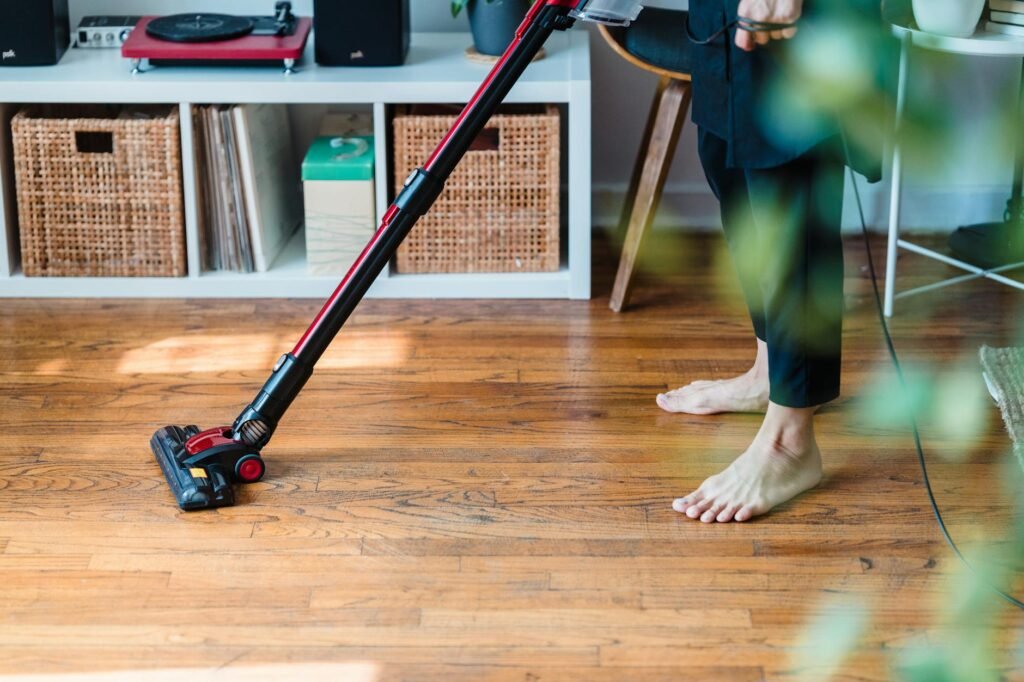
As the vernal equinox ushers in longer days and a palpable sense of renewal, the age-old urge to spring-clean emerges not merely as a domestic chore but as a potent metaphor for broader societal and personal transformations. This annual ritual, deeply ingrained in many cultures, transcends the simple act of tidying living spaces. It signifies a collective desire to shed the old, make way for the new, and re-establish order and clarity after the introspective quietude of winter. The impulse to declutter, organize, and refresh extends far beyond the confines of closets and attics, touching upon psychological well-being, community engagement, and even the reevaluation of personal priorities.
Information reaching TahirRihat.com suggests that the phenomenon of spring cleaning is often amplified by a confluence of psychological and environmental factors. The increased sunlight and warmer temperatures naturally boost mood and energy levels, making strenuous tasks seem more manageable and even enjoyable. Psychologically, the transition from the dormancy of winter to the vibrancy of spring mirrors a natural human inclination towards growth and progress. This period offers a symbolic fresh start, a chance to leave behind the burdens and clutter accumulated over the preceding months, both tangible and intangible. It is a time when individuals and communities alike feel a renewed impetus to address what has been neglected, to clear out the extraneous, and to cultivate a more intentional and harmonious existence.
The practice of spring cleaning is not a monolithic activity but rather a multifaceted endeavor that can manifest in various forms. At its most basic, it involves the physical removal of accumulated possessions, a process that can be both cathartic and revealing. As people sift through their belongings, they often encounter items that trigger memories, prompt decisions about what to keep, donate, or discard, and lead to a deeper understanding of their own consumption patterns and attachments. This physical act of clearing space can have a profound impact on mental clarity, reducing feelings of overwhelm and creating a more serene environment conducive to productivity and relaxation. The tangible reduction of clutter often correlates with a reduction in mental clutter, allowing for greater focus and a sense of control.
Beyond the individual home, the spirit of spring cleaning can permeate community initiatives and public spaces. Neighborhood clean-up drives, park restoration projects, and the revitalization of shared areas often gain momentum during the spring months. These collective efforts not only enhance the aesthetic appeal of a locality but also foster a sense of shared responsibility and community pride. The act of working together to improve a common space can strengthen social bonds and create a more welcoming and functional environment for all residents. This communal aspect of spring cleaning underscores its role as a catalyst for positive social change, encouraging active participation and a collective investment in the well-being of the community.
The psychological underpinnings of spring cleaning are also significant. The desire for order and control is a fundamental human need, and the act of organizing one’s surroundings can provide a powerful sense of accomplishment and empowerment. In a world that often feels chaotic and unpredictable, the ability to impose order on one’s immediate environment can be deeply reassuring. This need for structure extends to routines and habits as well. Spring cleaning often serves as a prompt to re-evaluate and reset daily schedules, dietary habits, and exercise regimens, aligning personal practices with a renewed sense of purpose and well-being. The meticulousness involved in cleaning and organizing can also be a form of mindfulness, requiring present-moment awareness and focused attention, which can be therapeutic in itself.
Furthermore, the concept of spring cleaning can be interpreted as a metaphor for personal growth and self-improvement. Just as one clears out old, unused items from a home, individuals may feel inspired to shed outdated beliefs, negative thought patterns, or unproductive relationships. This internal decluttering process is often more challenging than physical cleaning but can lead to profound personal development and a more authentic way of living. It involves introspection, honest self-assessment, and a willingness to embrace change, even when it is uncomfortable. The shedding of emotional baggage and mental clutter can pave the way for new opportunities, healthier connections, and a greater sense of inner peace.
The economic implications of spring cleaning are also noteworthy, particularly for industries involved in home goods, cleaning supplies, and organizational products. Retailers often see a surge in sales during this period as consumers invest in tools and materials to facilitate their cleaning endeavors. This seasonal demand highlights the commercial aspect of the spring cleaning impulse, demonstrating how a cultural tradition can translate into significant economic activity. Moreover, the emphasis on decluttering and mindful consumption that often accompanies spring cleaning can also influence purchasing decisions, leading consumers to prioritize quality and necessity over impulse buys, a trend that has broader implications for sustainable consumerism.
The cyclical nature of spring cleaning also reflects an understanding of natural rhythms and the importance of periodic renewal. Just as nature sheds its winter coat to embrace the new growth of spring, humans too benefit from moments of deliberate reset and rejuvenation. This is not merely about superficial tidiness but about a deeper engagement with the process of change and adaptation. It is an acknowledgment that stagnation can be detrimental and that embracing transformation, even through seemingly mundane tasks, is essential for sustained vitality and progress. The act of cleaning, in its essence, is an act of care—care for one’s living space, care for one’s mental and physical well-being, and care for the community.
The tradition of spring cleaning, therefore, is far more than a simple domestic obligation. It is a deeply ingrained cultural practice that taps into fundamental human needs for order, renewal, and growth. It serves as a powerful catalyst for personal transformation, community engagement, and even economic activity. As the days grow longer and the world outside awakens, the impulse to clean and organize becomes a potent symbol of our innate desire to move forward, to shed the old, and to embrace the promise of a brighter, clearer future. This annual ritual, often initiated with a broom and a bucket, ultimately sweeps through our lives, leaving in its wake a sense of refreshed purpose and a cleaner, more intentional existence.


Tahir Rihat (also known as Tahir Bilal) is an independent journalist, activist, and digital media professional from the Chenab Valley of Jammu and Kashmir, India. He is best known for his work as the Online Editor at The Chenab Times.