


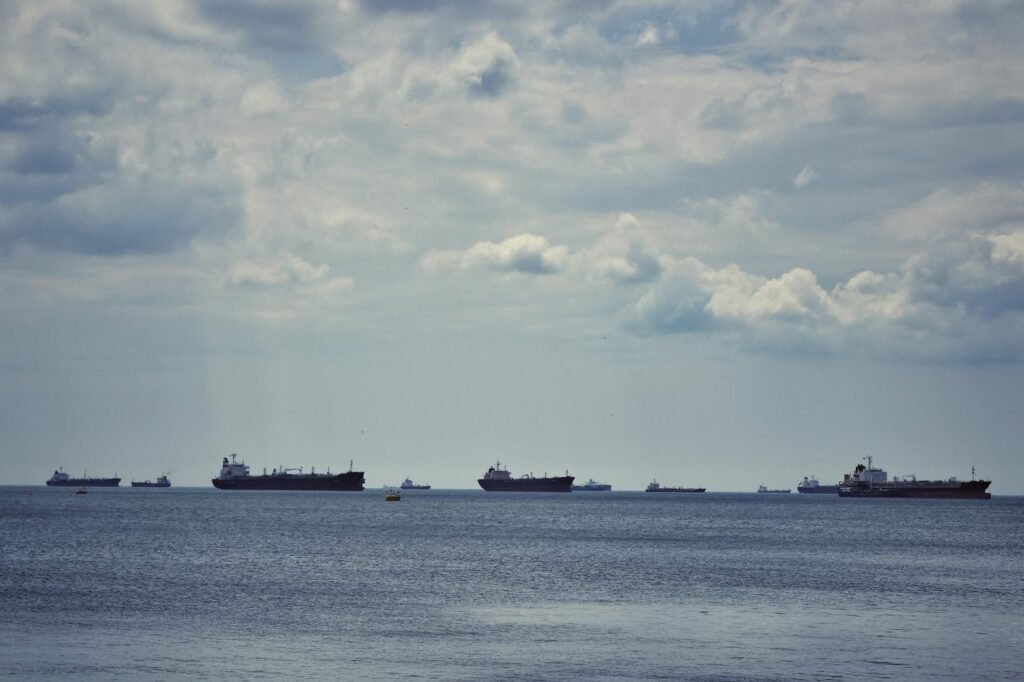
The vital Strait of Hormuz, a critical chokepoint for global oil shipments, has become a zone of heightened tension following a swift reversal in Iran‘s stance on its navigability. Just a day after Tehran declared the waterway open, it has effectively reintroduced significant peril for maritime traffic, creating a volatile environment for international shipping.
The sequence of events, which has injected new uncertainty into one of the world’s most crucial maritime arteries, began with Iran’s assertion that the strait was open for passage. This declaration, widely reported and observed by international maritime authorities, was intended to signal a degree of stability. However, this apparent assurance was short-lived, as subsequent actions and pronouncements from Iran have indicated a tightening of control and a potential for disruption.
As per information available with TahirRihat.com, the shift in Iran’s posture has raised alarms among global powers and shipping companies that rely on the Strait of Hormuz for the transit of a significant portion of the world’s seaborne oil. The strait, a narrow waterway separating Iran from the Arabian Peninsula, is the passage through which crude oil from the Persian Gulf states must travel to reach international markets. Any impediment to this flow has the potential to significantly impact global energy prices and supply chains.
The implications of Iran’s declaration and subsequent actions are far-reaching. The strait has long been a sensitive area, with a history of naval incidents and political posturing. Iran’s control over the northern shores of the strait, coupled with its naval capabilities, gives it considerable influence over maritime traffic. The recent developments suggest a deliberate strategy by Tehran to assert this control more forcefully, potentially as a means of leverage in regional or international disputes.
The international community is closely monitoring the situation, with naval forces from various countries maintaining a presence in the region to ensure freedom of navigation. However, the unpredictable nature of Iran’s declarations and its capacity to enforce restrictions create a challenging environment for these efforts. The potential for miscalculation or escalation remains a significant concern, given the strategic importance of the strait and the complex geopolitical landscape of the Middle East.
Shipping operators are now faced with the difficult task of assessing and mitigating the risks associated with transiting the Strait of Hormuz. This includes heightened insurance premiums, increased security measures, and the potential for delays or diversions. The economic consequences of such disruptions can be substantial, affecting not only oil-producing nations but also importing countries and consumers worldwide. The intricate web of global trade means that instability in this single waterway can have ripple effects across numerous economies.
The precise reasons behind Iran’s abrupt change in policy remain a subject of speculation, but analysts suggest it could be linked to broader regional dynamics or specific diplomatic objectives. The declaration of strict control over the vital shipping route could be a signal to regional rivals or a response to international pressure. The ambiguity surrounding Iran’s intentions adds another layer of complexity to an already volatile situation, making it difficult for maritime entities to plan and operate with certainty.
The international maritime organizations have issued advisories to vessels transiting the area, urging heightened vigilance and adherence to all safety and security protocols. The fluidity of the situation necessitates constant updates and a proactive approach from all stakeholders involved in maritime trade through the Strait of Hormuz. The ongoing developments underscore the fragility of global supply chains and the critical importance of maintaining open and secure sea lanes for the unimpeded flow of commerce and energy resources.
The United States and its allies have previously expressed concerns about Iran’s actions in the Strait of Hormuz, citing potential threats to international shipping and regional stability. The recent events are likely to intensify these concerns and may lead to increased diplomatic engagement or a bolstered naval presence in the area. The interplay of regional rivalries and international interests makes the Strait of Hormuz a perpetual focal point of geopolitical attention, and the latest developments have only amplified its significance.
The economic ramifications of any prolonged disruption to shipping through the Strait of Hormuz would be severe. Global oil prices could surge, impacting inflation and economic growth in countries around the world. Furthermore, the disruption could affect the supply of other goods that transit the strait, highlighting its multifaceted importance to the global economy. The interconnectedness of the modern world means that events in this relatively narrow stretch of water can have profound and widespread consequences, underscoring the need for de-escalation and a commitment to maritime security by all parties involved.


Tahir Rihat (also known as Tahir Bilal) is an independent journalist, activist, and digital media professional from the Chenab Valley of Jammu and Kashmir, India. He is best known for his work as the Online Editor at The Chenab Times.