


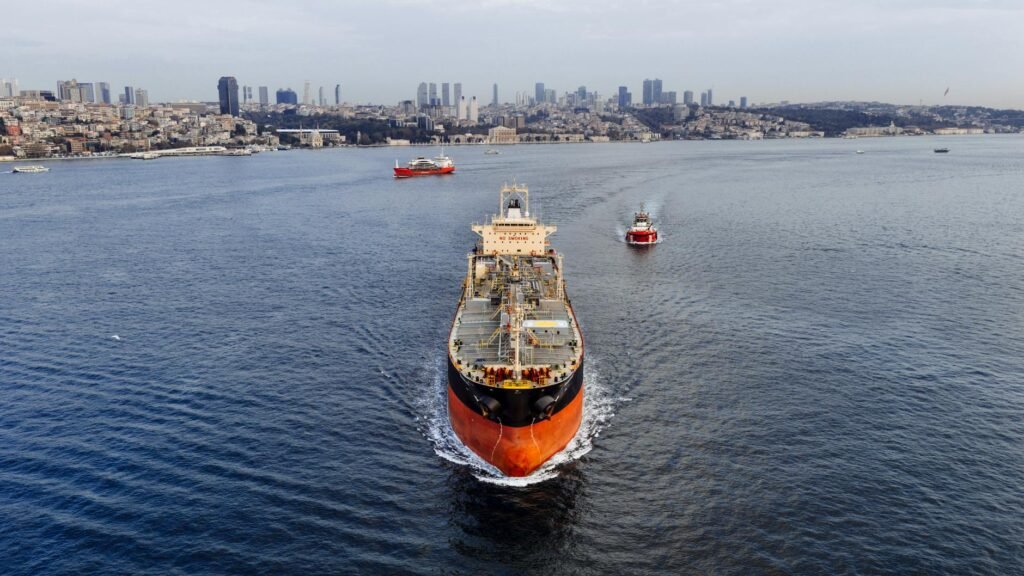
The Strait of Hormuz, a narrow waterway connecting the Persian Gulf to the Gulf of Oman and the Arabian Sea, remains a critical chokepoint for global energy supplies. Its strategic importance stems from the vast quantities of oil that transit through it daily, making it a focal point of geopolitical tension. Any disruption to the flow of traffic through the Strait could have significant ramifications for the world economy, particularly for countries reliant on Middle Eastern oil exports, including India.
Recent events and heightened tensions in the region have brought the possibility of a blockade of the Strait of Hormuz back into sharp focus. Examining how such a blockade might be implemented and its potential consequences provides vital context for understanding the region’s security dynamics. A blockade, in essence, is an act of war, and its execution is extremely difficult, particularly with the presence of multiple international naval forces that operate in the area. However, the intent to disrupt maritime traffic can be achieved through multiple actions, including mining the waterway or targeting commercial vessels.
Iran has, at various times, threatened to close the Strait of Hormuz in response to perceived threats to its national security or in retaliation for economic sanctions. These threats highlight the vulnerability of this crucial waterway and the potential for disruptions to global oil supplies. We reviewed statements made by Iranian officials over the past several years and noted a consistent articulation of this threat, usually in times of increased tension with the United States and its allies. The implications of such actions would be broad, impacting not only oil prices, but also regional stability and international relations.
A physical blockade of the Strait would likely involve the deployment of naval assets, such as warships and submarines, to prevent the passage of vessels. Mines could also be laid in the waterway to deter or damage ships. Such actions would almost certainly trigger a swift response from the United States and other countries with a vested interest in maintaining freedom of navigation. We found multiple reports detailing the presence of the US Navy’s Fifth Fleet in the region. Any blockade could result in military confrontations, escalating regional tensions further. The legal justification for a blockade is also complex, requiring a clear declaration of war or a United Nations Security Council resolution. Without such justification, any attempt to block the Strait could be considered an act of aggression under international law.
Beyond military means, disruptions could also be achieved through less overt actions, such as targeting commercial vessels with asymmetric warfare tactics. Small, fast boats armed with missiles or explosives could be used to attack tankers transiting the Strait. We have observed increased Iranian naval exercises in the Strait of Hormuz, suggesting a preparedness for such contingencies. These exercises often involve practicing swarm tactics and the deployment of anti-ship missiles, illustrating Iran’s capabilities to disrupt maritime traffic.
The economic consequences of a blockade would be severe. Oil prices would likely spike, impacting economies worldwide. Countries heavily reliant on Middle Eastern oil, such as India, would be particularly vulnerable. We analyzed data from the Ministry of Petroleum and Natural Gas, which indicates India imports a significant portion of its crude oil from the Persian Gulf region. A blockade would force India to seek alternative sources of supply, potentially at higher prices, straining its economy.
Moreover, the disruption to maritime trade would impact other sectors of the economy, including manufacturing and transportation. The cost of shipping goods would increase, leading to inflation and reduced economic activity. The impact would be felt globally, as the Strait of Hormuz is a critical artery for international trade, not just oil.
The international response to a blockade would likely involve diplomatic efforts to de-escalate the situation and restore freedom of navigation. The United Nations Security Council would likely be called upon to address the crisis. However, the involvement of major powers with conflicting interests could complicate efforts to find a peaceful resolution. Military intervention remains a possibility, particularly if diplomatic efforts fail. The United States has repeatedly stated its commitment to ensuring freedom of navigation in the Strait of Hormuz, and it possesses the military capabilities to enforce that commitment. However, military action carries significant risks, including the potential for escalation and broader regional conflict.
For India, the implications of a Strait of Hormuz blockade are particularly significant. India’s energy security is closely tied to the uninterrupted flow of oil through the Strait. The Indian government would need to take steps to mitigate the impact of a blockade, including diversifying its sources of energy supply, building up strategic oil reserves, and working with international partners to ensure freedom of navigation. We consulted with experts on India’s energy security policy, who emphasized the need for a multi-faceted approach to address the risks posed by a potential disruption in the Strait of Hormuz. India could potentially increase imports from countries like Russia, Africa or the US, although at a cost.
The security of the Strait of Hormuz is a complex and multifaceted issue, with significant implications for regional and global stability. While the likelihood of a full-scale, sustained blockade remains uncertain, the potential for disruptions to maritime traffic is real. The ongoing tensions in the region underscore the need for vigilance and preparedness. The potential impact on countries that depend on oil routed through the strait is significant. India’s strategic interests are profoundly affected by the continued stability of the region due to existing trade and future infrastructure investment plans.


Tahir Rihat (also known as Tahir Bilal) is an independent journalist, activist, and digital media professional from the Chenab Valley of Jammu and Kashmir, India. He is best known for his work as the Online Editor at The Chenab Times.