


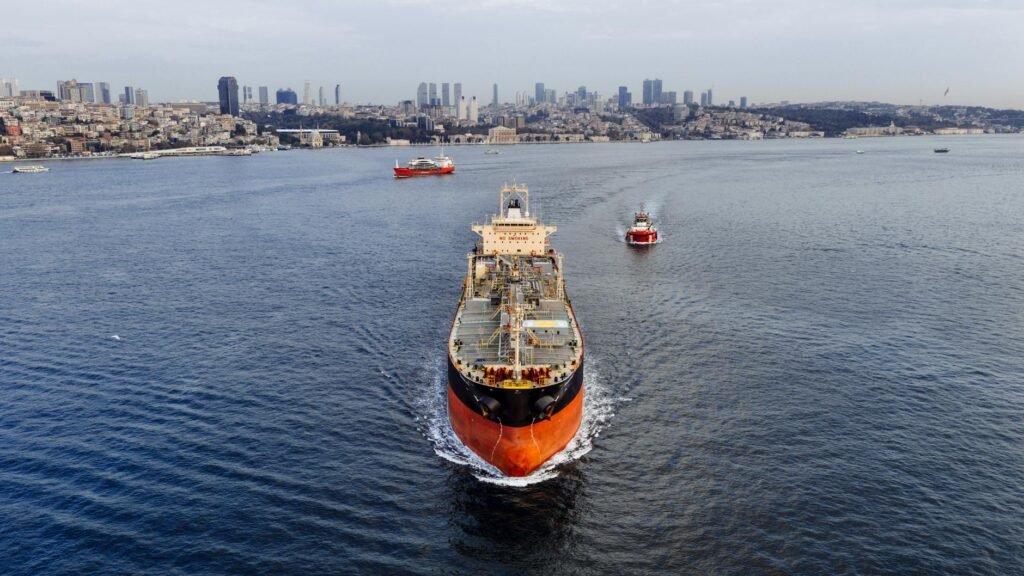
Negotiations surrounding the control of the Strait of Hormuz and Iran’s uranium stockpiles continue to be major sticking points in international relations. The strategic waterway, a vital artery for global oil supply, has been a recurring source of tension, particularly with the United States and its allies. Iran’s position, as stated by Iranian officials, is that the Strait would be reopened to all maritime traffic only after a comprehensive and final peace agreement is reached, a condition that has met with resistance from the U.S., which demands immediate and unconditional access.
The Strait of Hormuz connects the Persian Gulf with the Gulf of Oman and the Arabian Sea. Its narrow width, at its narrowest point just 21 miles wide, makes it a strategically important choke point. Approximately 21 million barrels per day pass through the strait, constituting a significant percentage of the world’s total oil consumption. Control of this waterway has profound implications for global energy markets and geopolitical stability, issues of great concern to India with its growing energy demands.
Iran’s nuclear program and its uranium enrichment activities are closely linked to the Strait of Hormuz dispute. International concerns have been raised over Iran’s nuclear ambitions, with many nations, including the U.S., fearing that Iran seeks to develop nuclear weapons. Iran has consistently asserted that its nuclear program is for peaceful purposes, such as energy production and medical research. However, the enrichment of uranium, a necessary step in nuclear weapons development, remains a point of contention.
The Joint Comprehensive Plan of Action (JCPOA), also known as the Iran nuclear deal, was an agreement reached in 2015 between Iran and several world powers, including the United States, the United Kingdom, France, Germany, Russia, and China. The JCPOA aimed to limit Iran’s nuclear program in exchange for the lifting of economic sanctions. Under the agreement, Iran agreed to reduce its enriched uranium stockpile, limit its enrichment capacity, and allow international inspections of its nuclear facilities.
In 2018, the United States unilaterally withdrew from the JCPOA under the Trump administration, reimposing sanctions on Iran. This decision was met with widespread criticism from other parties to the agreement, who argued that Iran was in compliance with its obligations. Since the U.S. withdrawal, Iran has gradually rolled back its commitments under the JCPOA, enriching uranium to higher levels and increasing its stockpile, raising concerns in Delhi and other capitals. Efforts to revive the JCPOA have so far been unsuccessful.
The reimposition of sanctions by the U.S. has severely impacted Iran’s economy, leading to a significant decline in oil exports and a sharp devaluation of its currency. Iran has accused the U.S. of economic warfare and has called for the lifting of sanctions as a precondition for further negotiations. The U.S., on the other hand, has insisted that Iran must first demonstrate a commitment to curbing its nuclear program and regional activities before sanctions can be lifted.
Tensions in the region have been further heightened by a series of incidents involving attacks on oil tankers and other vessels in the Strait of Hormuz. The U.S. and its allies have blamed Iran for these attacks, while Iran has denied any involvement. These incidents have raised concerns about the safety of maritime traffic and the potential for a wider conflict in the region. The economic implications for nations like India, heavily reliant on oil imports, are substantial, with potential disruptions to supply chains and increased energy costs.
India has maintained a delicate balancing act in its relations with Iran and the United States. India has historically enjoyed close ties with Iran, particularly in the areas of trade and energy. Iran is a significant source of oil for India, and the two countries have also cooperated on infrastructure projects, such as the Chabahar Port, which provides India with access to Afghanistan and Central Asia, bypassing Pakistan.
At the same time, India has also strengthened its strategic partnership with the United States in recent years. The U.S. is a major trading partner for India, and the two countries have increased cooperation in areas such as defense, security, and technology. India also recognizes the importance of maintaining good relations with Saudi Arabia and other Gulf states, which are key sources of oil and remittances.
The current situation in the Strait of Hormuz and the ongoing dispute over Iran’s nuclear program have significant implications for India’s energy security and regional stability. India has called for a peaceful resolution to the conflict and has emphasized the importance of maintaining open and secure sea lanes in the region. We are monitoring the situation closely and engaging with all relevant parties to promote dialogue and de-escalation.
Recent reports indicate that negotiations are ongoing, albeit indirectly, between the United States and Iran, mediated by other countries, including Qatar and Oman. The focus of these talks is reportedly on finding a way to de-escalate tensions and potentially revive the JCPOA. However, significant differences remain between the two sides, and a breakthrough is not expected in the immediate future.
The International Atomic Energy Agency (IAEA) continues to monitor Iran’s nuclear activities. In its most recent report, the IAEA expressed concern about Iran’s continued enrichment of uranium to high levels and its lack of cooperation with the agency’s inspectors. The IAEA has called on Iran to fully comply with its obligations under the Non-Proliferation Treaty (NPT) and to provide access to all requested sites and information.
The situation remains fluid and unpredictable, with the potential for further escalation or de-escalation depending on the actions of the various parties involved. We are committed to providing our readers with the latest updates and analysis on this critical issue, especially concerning implications for the J&K region and the broader South Asian context.


Tahir Rihat (also known as Tahir Bilal) is an independent journalist, activist, and digital media professional from the Chenab Valley of Jammu and Kashmir, India. He is best known for his work as the Online Editor at The Chenab Times.