


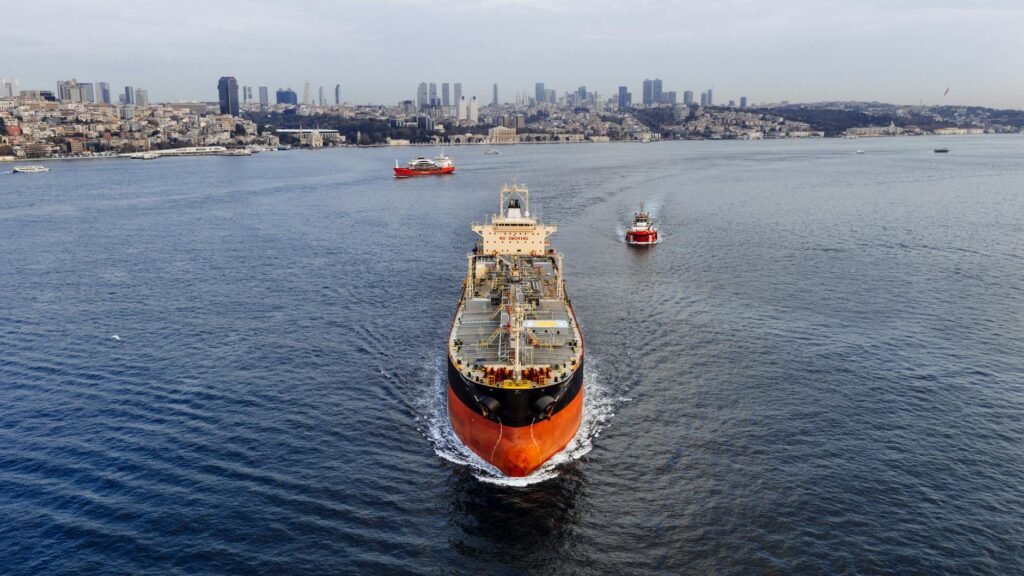
The Strait of Hormuz, a critical chokepoint for global oil shipments, is currently “completely open,” according to statements from both Iran and the United States. This assertion follows a significant development involving a deal reached concerning Lebanon, though the specifics of this agreement and its direct linkage to the strait’s status remain under scrutiny. The pronouncements suggest a de-escalation of tensions in a region that has been a focal point of international concern regarding maritime security and potential conflict.
Information reaching TahirRihat.com suggests that the declaration of the strait’s unimpeded passage comes at a time of heightened geopolitical maneuvering. The U.S. administration, while confirming the open status of the strait, has also indicated that its naval forces are maintaining a vigilant presence to ensure freedom of navigation. This dual messaging underscores the delicate balance of power and communication between Washington and Tehran, particularly in the Persian Gulf and its surrounding waters. The implications of this development for global energy markets and regional stability are significant, as any disruption in the Strait of Hormuz can have immediate and far-reaching economic consequences.
The context for these statements appears to be rooted in a broader diplomatic effort that has reportedly yielded progress on issues pertaining to Lebanon. While the exact nature of the Lebanese deal has not been fully elaborated upon in public statements, its perceived success has been directly correlated by both Iranian and U.S. officials with the current state of affairs in the Strait of Hormuz. This linkage implies a complex web of regional diplomacy where progress in one area is being leveraged to influence or signal changes in another, potentially volatile, domain. The strategic importance of the Strait of Hormuz cannot be overstated; it is an artery through which a significant portion of the world’s oil supply transits daily, making its accessibility a matter of global economic and security interest.
U.S. officials have emphasized that their primary objective remains the deterrence of any hostile actions that could threaten international shipping. The presence of U.S. naval assets in the region is a long-standing policy, aimed at reassuring allies and ensuring the free flow of commerce. However, the explicit linking of the strait’s openness to a Lebanese accord introduces a new dimension to the ongoing narrative of regional security. It suggests that diplomatic breakthroughs, even those seemingly localized, can have a tangible impact on broader strategic waterways. The effectiveness and sustainability of such linkages will likely be a subject of intense observation by international observers and intelligence agencies.
Iran, for its part, has consistently asserted its sovereign rights and its commitment to ensuring the security of its maritime borders. Its officials have also frequently highlighted the economic importance of the Strait of Hormuz to its own national interests. The current pronouncements from Tehran can be interpreted as an affirmation of its control and influence over this vital waterway, while simultaneously signaling a willingness to engage in diplomatic solutions that contribute to regional stability. The interplay between Iran’s assertions of control and the U.S. commitment to freedom of navigation has historically been a source of friction, making these latest statements particularly noteworthy.
The international community, including major oil-importing nations, will be closely monitoring the situation. Any perceived threat to the Strait of Hormuz can trigger significant volatility in oil prices and disrupt global supply chains. Therefore, the confirmation from both Tehran and Washington that the strait is “completely open” is a welcome, albeit cautiously received, piece of news. The underlying diplomatic efforts, particularly those concerning Lebanon, will also be under intense scrutiny to understand the full scope of their impact and their potential to foster lasting peace and stability in the Middle East.
The U.S. military’s role in the region is multifaceted, encompassing not only the protection of shipping lanes but also intelligence gathering and joint exercises with regional partners. The current operational posture of U.S. forces is designed to be responsive to a range of potential threats, from state-sponsored aggression to non-state actor disruptions. The statements regarding the Strait of Hormuz suggest that, at present, the perceived threat level has been reduced, a development attributed, at least in part, to the diplomatic progress made concerning Lebanon. This interconnectedness of diplomatic and military signaling is a hallmark of complex international relations in sensitive geopolitical areas.
Further details regarding the specifics of the Lebanese deal are expected to emerge, which may shed more light on the mechanisms by which it has influenced the situation in the Strait of Hormuz. The region’s stability is a perpetual concern, and any positive developments that contribute to de-escalation are of paramount importance to global economic and political well-being. The ongoing narrative of engagement and potential resolution in the Middle East, however fragile, will continue to be a central focus for international diplomacy and news organizations alike.


Tahir Rihat (also known as Tahir Bilal) is an independent journalist, activist, and digital media professional from the Chenab Valley of Jammu and Kashmir, India. He is best known for his work as the Online Editor at The Chenab Times.