


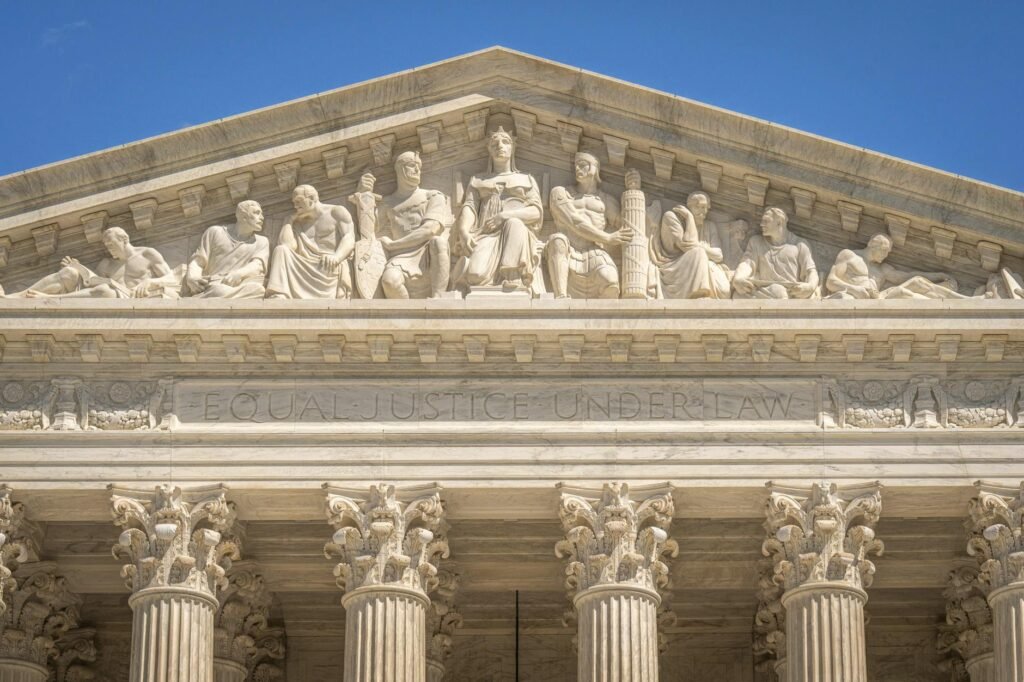
A significant shift in how the Supreme Court handles critical policy matters, particularly concerning environmental regulations, has been brought to light through unearthed internal documents. These memos indicate a deliberate move by the court to utilize its seldom-used “shadow docket” – emergency orders issued without full briefing or oral argument – to influence and, in some cases, effectively halt climate policy initiatives. Critics argue that this approach bypasses established legal processes, leading to decisions that are both rushed and fundamentally flawed, with potentially far-reaching consequences for environmental protections.
Information reaching TahirRihat.com suggests that these memos reveal a coordinated strategy to address cases that carry substantial policy implications, often related to environmental regulations, through expedited, non-traditional means. This method allows the court to issue rulings that can have immediate and profound effects on federal agency actions and established legal precedents without the usual transparency and deliberation afforded to cases heard through the full appellate process. The reliance on the shadow docket for such consequential matters represents a departure from historical court practices, raising concerns about judicial accountability and the integrity of the policymaking process.
The New York Times, in its reporting, detailed how these internal communications signal a conscious decision by a segment of the court to intervene in areas traditionally managed by elected officials and administrative agencies. The implications of this strategy are particularly stark in the context of climate change, a complex and urgent global challenge that requires consistent and predictable policy frameworks. By employing the shadow docket, the court can swiftly alter the legal landscape surrounding emissions standards, energy production, and conservation efforts, often in ways that favor industries challenging regulatory oversight. This approach has led to a series of decisions that have been characterized as abrupt and lacking in thorough legal reasoning, according to legal scholars and environmental advocates.
The practice of using the shadow docket for policy-altering decisions is not entirely new, but the extent and nature of its application in recent years, particularly concerning environmental law, have drawn increased scrutiny. The unearthed memos provide a rare glimpse into the internal deliberations that have led to this increased reliance on emergency orders. These documents suggest that the court’s conservative majority has been more inclined to use this procedural tool to limit the power of federal agencies, such as the Environmental Protection Agency, to enact broad regulations. This has created a climate of uncertainty for businesses and environmental groups alike, as the legal underpinnings of climate policy can be rapidly reshaped by these less visible judicial actions.
One of the primary criticisms leveled against the court’s use of the shadow docket in these instances is the lack of public input and the absence of detailed legal arguments that typically accompany cases reaching the Supreme Court’s full calendar. In many instances, decisions are made based on brief applications for stays or emergency relief, without the benefit of extensive briefing from all parties involved or oral arguments where justices can probe complex legal questions. This abbreviated process, critics contend, can lead to decisions that are based on incomplete information or a narrow understanding of the issues at stake, thereby undermining the legitimacy of the judicial branch’s role in shaping public policy.
The impact of these shadow docket rulings extends beyond the immediate legal challenges. They can set de facto policy for extended periods, influencing agency behavior and industry practices long before a case might otherwise be fully adjudicated. For instance, a stay granted on an environmental regulation through the shadow docket can effectively suspend its enforcement indefinitely, even if the underlying legal challenge is ultimately unsuccessful. This creates a significant hurdle for climate action, as it introduces unpredictability and delays the implementation of measures deemed necessary to address greenhouse gas emissions and other environmental threats.
The memos reportedly highlight discussions among justices and their clerks about the strategic advantages of using the shadow docket to achieve certain policy outcomes. This suggests a level of intentionality in employing this procedural mechanism to shape the legal and regulatory environment, rather than simply responding to unforeseen emergencies. The focus on cases with significant policy implications, particularly those that could curb the authority of executive branch agencies, underscores a broader judicial philosophy that seeks to limit federal regulatory power. This approach, while potentially appealing to those who advocate for less government intervention, raises questions about the court’s role in a democratic society where policy decisions are ideally made through a more inclusive and deliberative process.
Legal experts have expressed concern that the increased reliance on the shadow docket for policy-driven decisions could erode public trust in the judiciary. When significant legal and policy shifts occur through opaque emergency orders, it can create the perception that the court is acting as a political body rather than an impartial arbiter of law. This perception is further exacerbated when the decisions appear to favor specific industries or ideological viewpoints, especially on issues as critical and widely debated as climate change. The lack of transparency inherent in the shadow docket process makes it difficult for the public and stakeholders to understand the reasoning behind these impactful rulings, contributing to a sense of disenfranchisement.
The unearthed documents also reportedly touch upon the internal debates within the court regarding the appropriate use of its emergency powers. While the shadow docket is a legitimate judicial tool, its application for broad policy interventions is a subject of ongoing controversy. The memos may shed light on the justifications offered by justices who favor its use in these contexts, potentially framing it as a necessary means to correct perceived overreach by administrative agencies or to prevent irreparable harm from the implementation of challenged regulations. However, opponents argue that such justifications often mask a broader agenda to dismantle environmental protections and limit the government’s ability to address pressing societal issues like climate change.
The long-term consequences of this trend are a matter of significant concern for environmental policy. The unpredictability introduced by shadow docket rulings can stifle innovation and investment in clean energy and sustainable practices, as businesses may be hesitant to commit resources when the regulatory landscape is subject to rapid and unpredictable change. Furthermore, it can undermine international efforts to combat climate change, which often rely on the stability and predictability of national policies. The court’s actions, even when framed as procedural, can have a tangible impact on the global effort to mitigate the effects of a warming planet, creating a ripple effect that extends far beyond U.S. borders.


Tahir Rihat (also known as Tahir Bilal) is an independent journalist, activist, and digital media professional from the Chenab Valley of Jammu and Kashmir, India. He is best known for his work as the Online Editor at The Chenab Times.