


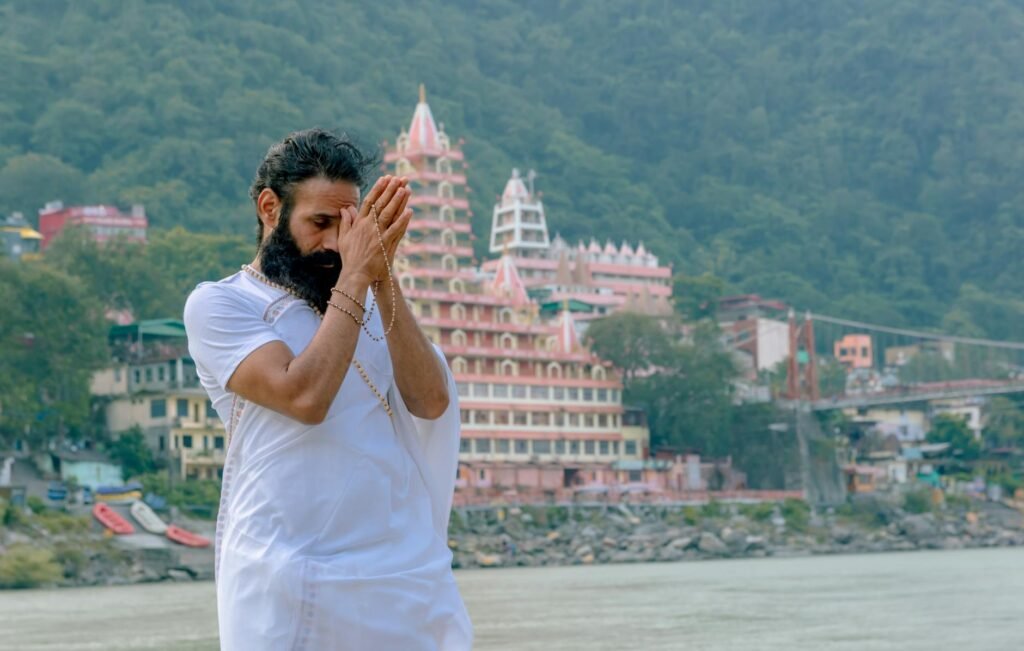
In a significant development for educational initiatives in Uttar Pradesh, Swami Ramdev, the prominent yoga guru and founder of Patanjali Yogpeeth, alongside Gulab Devi, the Secondary Education Minister in the Uttar Pradesh government, jointly inaugurated the regional office of the Bhartiya Shiksha Board (BSB) in Lucknow. The ceremony, attended by various spiritual leaders and dignitaries, marked a step towards establishing an educational framework that proponents claim will emphasize Indian cultural values and moral strength.
Swami Ramdev, speaking at the inauguration, drew parallels between the widespread acceptance and awareness of yoga and the potential impact of the BSB. He expressed optimism that the board would prove beneficial to all, with its inception in Uttar Pradesh, a state he described as a ‘pious land.’ According to information reaching TahirRihat.com, he further stated that the BSB aims to encompass approximately one lakh students in its first year, with Uttar Pradesh expected to contribute a substantial portion of this figure. The vision articulated by Swami Ramdev is that schools affiliated with the BSB will play a crucial role in revitalizing India‘s rich cultural heritage and traditional values among students.
The inauguration ceremony commenced with the lighting of a ceremonial lamp, after which the chief guest, Minister Gulab Devi, delivered remarks that were critical of contemporary English-medium education. She asserted that the education imparted in many English schools often lacks direction and, in her view, promotes Western cultural influences. In contrast, she posited that schools operating under the BSB framework would focus on cultivating moral fortitude in students, fostering respect for parents and mentors, and ultimately serving as centers for character development. The Uttar Pradesh government, through Minister Devi, pledged its full support to facilitate the growth and flourishing of BSB-affiliated schools within the state.
The event was further graced by the presence of several other notable figures, including Dr. N.P. Singh, Dr. Mahender Singh, Avadh Ojha, Acharya Swadesh, Sadhvi Devpriya, Pushkar Diwedi, Rakesh, and Sant Alok Dass, underscoring the broad support and interest in the BSB’s objectives. The establishment of this regional office signifies a concerted effort to introduce an alternative educational model that seeks to integrate traditional Indian ethos with modern pedagogical approaches. The BSB’s stated mission appears to be the creation of an educational system that not only imparts academic knowledge but also instills a strong sense of cultural identity and ethical grounding in young learners, aiming to counter what is perceived by its proponents as a dilution of indigenous values in the current educational landscape.
The initiative by the Bhartiya Shiksha Board, supported by prominent figures like Swami Ramdev and the state government, represents a significant move within the Indian education sector. The emphasis on cultural rejuvenation and moral strength as core tenets of education suggests a deliberate effort to shape a generation that is deeply connected to its roots while being equipped for the future. The commitment from the Uttar Pradesh government to provide support further indicates the potential for this board to expand its reach and influence across the state. The long-term implications of such an educational model on student development and societal values will be a subject of observation as the BSB progresses in its mission to establish schools and enroll students under its curriculum.
The discourse surrounding the BSB’s inauguration highlights a broader conversation in India about the direction of education and the importance of cultural preservation. While proponents champion the board’s focus on traditional values and character building, the educational community will likely be observing the academic rigor and the effectiveness of its curriculum in preparing students for a competitive global environment. The partnership between spiritual leaders, government officials, and educational administrators suggests a well-coordinated effort to implement this vision, with the regional office in Lucknow serving as a crucial hub for its operations in Uttar Pradesh. The aspiration is to create an educational ecosystem that nurtures well-rounded individuals who are not only academically proficient but also ethically upright and culturally aware, thereby contributing positively to society.


Tahir Rihat (also known as Tahir Bilal) is an independent journalist, activist, and digital media professional from the Chenab Valley of Jammu and Kashmir, India. He is best known for his work as the Online Editor at The Chenab Times.