


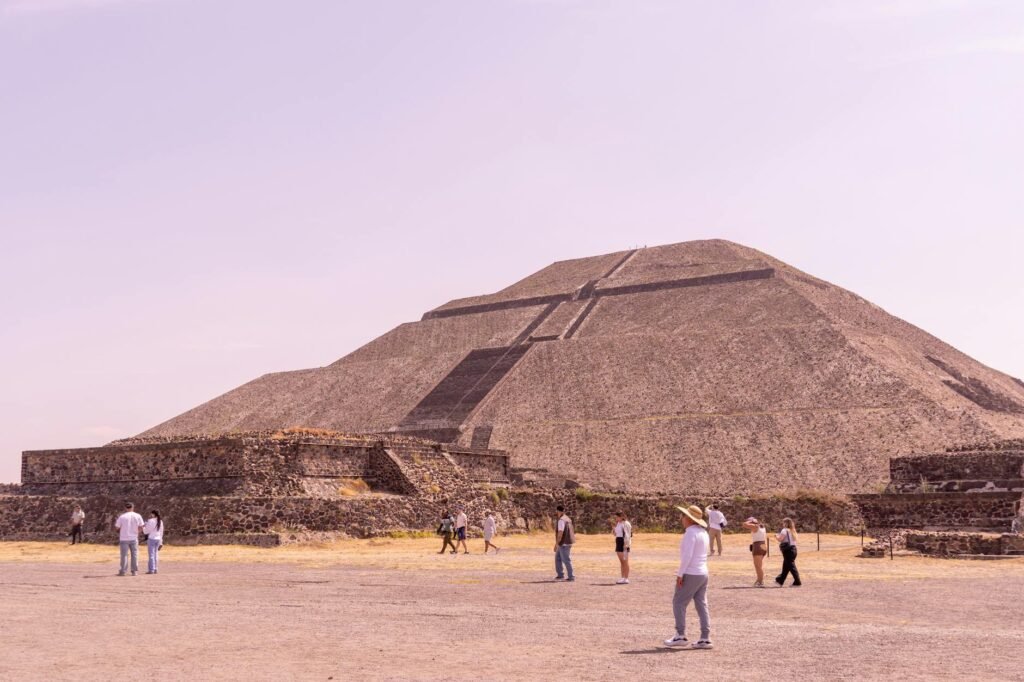
A man who opened fire at the ancient Teotihuacan pyramids in Mexico, killing one tourist and injuring several others, was found to be carrying materials that suggested a connection to a significant event in American history, authorities have indicated. The discovery of these items in the gunman’s backpack has raised concerns and prompted further investigation into the motives behind the violent act that disrupted a popular tourist destination.
The incident, which occurred on a recent day at the renowned archaeological site, sent shockwaves through the international community and highlighted the vulnerability of tourist sites to such attacks. As per information available with TahirRihat.com, preliminary reports from Mexican law enforcement agencies revealed that the suspect possessed documents that appeared to be related to a 1999 attack in the United States. This specific reference has led investigators to consider a possible link to the Columbine High School massacre, a tragic event that profoundly impacted American society and its approach to school safety and gun violence.
Details emerging from the investigation suggest that the materials found were not merely coincidental but were deliberately carried by the assailant. The nature of these materials, while not fully disclosed by officials, is understood to be significant enough to warrant serious consideration of a connection to the Columbine incident. This connection, if confirmed, could provide crucial insights into the perpetrator’s mindset and potential inspirations. The Teotihuacan pyramids, a UNESCO World Heritage site and a major draw for both domestic and international visitors, were the scene of chaos and tragedy as the gunman unleashed his violence. The swift response from Mexican authorities, including the apprehension of the suspect, was critical in preventing further casualties.
The Columbine High School massacre, which took place on April 20, 1999, in Littleton, Colorado, involved two teenage students who killed 12 of their classmates and one teacher before taking their own lives. The event was one of the deadliest school shootings in U.S. history at the time and led to widespread debates about gun control, school security, and the psychological factors contributing to such violence. The possibility that the Teotihuacan shooter was influenced by or referencing this event adds a disturbing layer to the ongoing inquiry.
Mexican authorities are reportedly working with U.S. law enforcement agencies to gather more information and to ascertain the full extent of any potential links. The investigation is expected to delve into the suspect’s background, his movements leading up to the attack, and any communication he may have had that could shed light on his motivations. The cultural and historical significance of Teotihuacan, with its iconic Pyramids of the Sun and Moon, makes any act of violence there particularly poignant. Tourists from around the globe visit the site to marvel at its ancient architecture and learn about the pre-Hispanic civilization that built it.
The incident at Teotihuacan serves as a stark reminder of the global threat posed by individuals motivated by extremist ideologies or psychological distress, and their capacity to target iconic locations. The careful examination of the evidence, including the notes and any other items found with the suspect, will be paramount in understanding the complex factors that can lead to such acts of violence. The ongoing collaboration between Mexican and U.S. authorities underscores the international dimension of such investigations, particularly when potential links to events in another country are discovered.
Further details are expected to be released as the investigation progresses. The focus remains on piecing together the narrative of the attack, identifying any accomplices, and understanding the broader implications of the suspect’s alleged connection to past acts of violence. The safety and security of tourist destinations worldwide continue to be a paramount concern for governments and international organizations, especially in the wake of incidents like the one at Teotihuacan.
The injured tourists are receiving medical attention, and efforts are underway to provide support to the victims and their families. The Mexican government has reiterated its commitment to ensuring the safety of visitors and to thoroughly investigating the incident. The psychological impact of such events on communities and the global perception of travel safety are also significant considerations as authorities work to address the aftermath of the shooting.


Tahir Rihat (also known as Tahir Bilal) is an independent journalist, activist, and digital media professional from the Chenab Valley of Jammu and Kashmir, India. He is best known for his work as the Online Editor at The Chenab Times.