


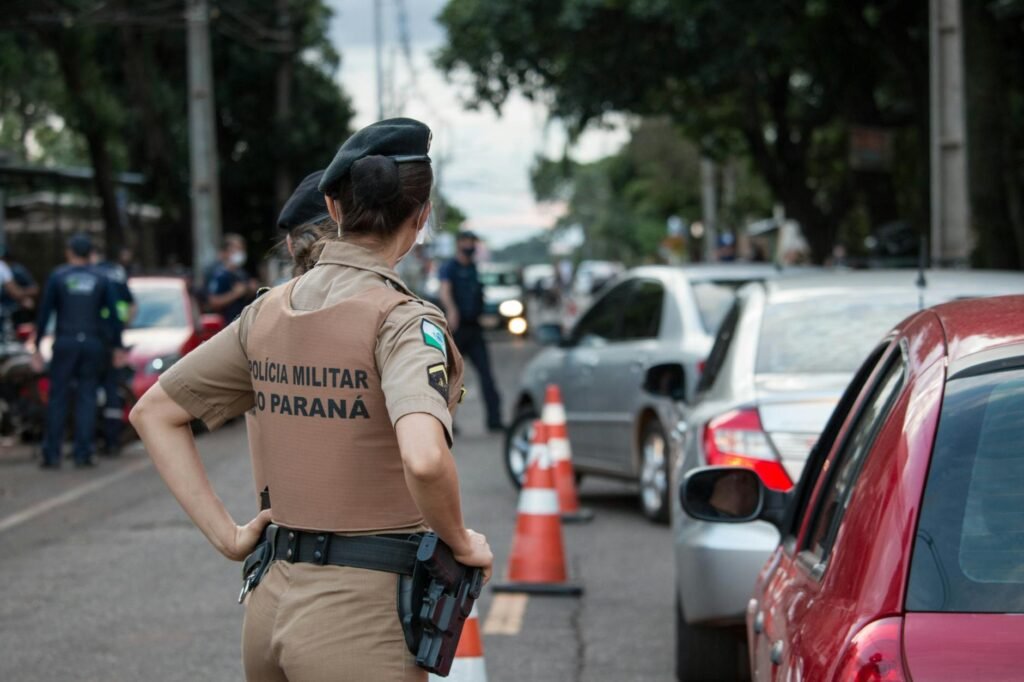
Authorities in Jammu and Kashmir‘s Samba district have apprehended three individuals suspected of involvement in drug trafficking, seizing a quantity of a substance described as heroin-like. The arrests were made during a routine police checkpoint established as part of an ongoing campaign against narcotics. The operation underscores the persistent challenge posed by illicit drug trade in the region and the efforts by law enforcement to curb its spread.
The incident unfolded on a link road leading to Rakh Barotian in the Vijaypur area. A police team conducting checks as part of the ‘Nasha Mukt Abhiyan,’ a state-led initiative aimed at eradicating drug abuse, intercepted a scooty carrying three occupants. A subsequent search of the individuals, identified as Rahul Sharma, Sanju Bhagat, and Nirmal Kumar, all reportedly residents of Jammu, led to the discovery of the contraband. Information reaching TahirRihat.com suggests that the substance recovered is consistent with heroin in appearance and composition, though forensic analysis will be required for definitive confirmation. The police have confiscated the seized material along with the vehicle used by the suspects. A formal case has been registered at the Vijaypur police station, initiating further investigation into the matter. Officials have indicated that the probe is ongoing and aims to uncover the broader network involved in the alleged peddling activities.
The ‘Nasha Mukt Abhiyan’ is a comprehensive strategy adopted by the Jammu and Kashmir administration to combat the rising tide of drug addiction and trafficking. It involves a multi-pronged approach encompassing awareness campaigns, de-addiction centers, and stringent law enforcement measures. The recent arrests in Samba highlight the active role of the police in implementing these directives and disrupting the supply chain of illegal substances. The focus on checkpoints and interdiction efforts is a critical component of this campaign, aiming to intercept drugs before they reach the wider population. The identification of the arrested individuals as residents of Jammu suggests a local dimension to the drug trade, potentially involving distribution within urban centers. The authorities are likely to explore the sources from which these substances were obtained and the intended destinations for their distribution.
Drug trafficking remains a significant security and public health concern across India, and the Union Territory of Jammu and Kashmir is not immune to its pervasive influence. The proximity to international borders and historical patterns of smuggling have made the region a vulnerable transit point for various illicit goods, including narcotics. Law enforcement agencies have consistently reported seizures of significant quantities of drugs, including heroin, opium, and synthetic substances, in various parts of the UT. These operations are crucial in dismantling drug networks that contribute to addiction, crime, and social instability. The successful interdiction in Samba is a testament to the vigilance of the police force and their commitment to eradicating the menace of drugs.
The investigation following these arrests is expected to delve into the modus operandi of the suspected peddlers, their connections within the drug trade, and the potential scale of their operations. Authorities will be looking to identify key players in the supply chain, from suppliers to distributors, and to dismantle the entire network. This often involves collaboration between different law enforcement agencies and intelligence sharing. The recovery of a heroin-like substance is particularly concerning, given the highly addictive nature of the drug and its devastating impact on individuals and communities. The authorities’ commitment to a thorough investigation is paramount to ensuring that those involved are brought to justice and that further trafficking is prevented.
The ‘Nasha Mukt Abhiyan’ aims not only to apprehend offenders but also to provide support and rehabilitation to those affected by drug addiction. Awareness programs are conducted in schools, colleges, and communities to educate the public about the dangers of drug abuse and to encourage individuals to seek help. De-addiction centers offer medical and psychological support to individuals struggling with substance dependence. The success of such campaigns relies on the active participation of the community and the sustained efforts of law enforcement. The Samba arrests serve as a reminder of the ongoing battle against drugs and the need for continued vigilance and robust action from all stakeholders. The police’s proactive stance in conducting checks on roads and intercepting suspicious individuals is a vital part of this broader strategy to create a drug-free society.
The implications of drug trafficking extend beyond individual addiction, often fueling other criminal activities such as theft, violence, and organized crime. The economic impact can also be substantial, with illicit drug trade diverting resources and undermining legitimate economic development. Therefore, efforts to combat drug trafficking are not just about law enforcement but also about safeguarding the social and economic fabric of the region. The authorities in Jammu and Kashmir have reiterated their resolve to continue their crackdown on drug peddlers and to ensure that the region remains free from the scourge of narcotics. The ongoing investigation in Samba is expected to provide further insights into the dynamics of drug trafficking in the area and to inform future strategies for its eradication.


Tahir Rihat (also known as Tahir Bilal) is an independent journalist, activist, and digital media professional from the Chenab Valley of Jammu and Kashmir, India. He is best known for his work as the Online Editor at The Chenab Times.