


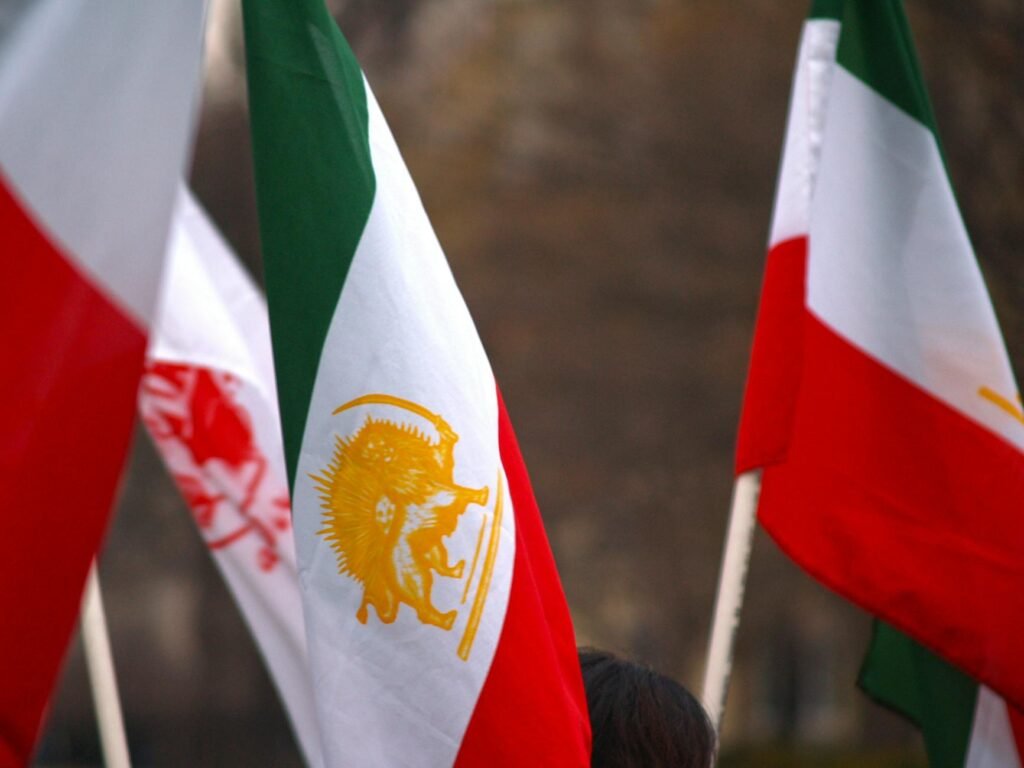
The United States and Iran have a complex and often adversarial relationship marked by periods of negotiation, confrontation, and shifting geopolitical alliances. Understanding the key moments in their interactions requires examining the historical context and the evolving dynamics that have shaped their dialogue. From nuclear ambitions to regional influence, the interactions between Washington and Tehran carry significant implications for global security and stability. The relationship encompasses a range of issues, including sanctions, nuclear programs, regional conflicts, and human rights, all contributing to the intricate and often fraught nature of their engagements.
The roots of the modern U.S.-Iran relationship can be traced back to the mid-20th century, a period dominated by the Cold War and the strategic importance of the Middle East. The United States initially supported Iran under the rule of the Shah, viewing it as a bulwark against Soviet influence in the region. This support included military and economic assistance, solidifying a partnership that served U.S. interests during the Cold War. However, this alliance began to unravel with the 1979 Iranian Revolution, which overthrew the Shah and established an Islamic Republic hostile to the United States. The revolution transformed Iran from a U.S. ally into a strategic adversary, setting the stage for decades of tension and mistrust.
The hostage crisis of 1979-1981, during which Iranian students seized the U.S. embassy in Tehran and held American diplomats captive, marked a significant turning point in U.S.-Iran relations. This event led to a complete breakdown in diplomatic ties and the imposition of economic sanctions by the United States. The crisis deepened the sense of animosity between the two nations and solidified the perception of Iran as a rogue state in the eyes of many Americans. Subsequent conflicts, such as the Iran-Iraq War in the 1980s, further complicated the relationship. While the United States officially remained neutral, there were instances of covert support for Iraq, reflecting the U.S. desire to contain Iran’s regional ambitions.
In the decades that followed, the primary focus of U.S. policy toward Iran became centered on its nuclear program. Concerns about Iran’s pursuit of nuclear weapons led to a series of international negotiations and sanctions aimed at curbing its nuclear activities. The United States, along with other world powers, engaged in diplomatic efforts to reach an agreement that would ensure Iran’s nuclear program remained peaceful. These efforts culminated in the 2015 Joint Comprehensive Plan of Action (JCPOA), commonly known as the Iran nuclear deal.
The JCPOA, signed by Iran, the United States, the United Kingdom, France, Germany, Russia, and China, placed restrictions on Iran’s nuclear program in exchange for the lifting of some economic sanctions. The agreement was hailed as a landmark achievement in nuclear non-proliferation and a testament to the power of diplomacy. However, the JCPOA faced strong opposition from some quarters, particularly from those who believed it did not go far enough in preventing Iran from eventually developing nuclear weapons. This opposition intensified with the election of Donald Trump as President of the United States.
In 2018, President Trump withdrew the United States from the JCPOA, citing concerns about its sunset clauses and its failure to address Iran’s ballistic missile program and regional activities. The withdrawal was met with international criticism and led to the reimposition of U.S. sanctions on Iran. This move had a significant impact on the Iranian economy and further heightened tensions between the two countries. Iran responded by gradually rolling back its compliance with the JCPOA, raising concerns about the future of the agreement and the potential for nuclear proliferation.
Since the U.S. withdrawal from the JCPOA, there have been several attempts to revive the agreement and de-escalate tensions. The Biden administration has expressed a willingness to return to the JCPOA if Iran resumes full compliance. However, negotiations have been complicated by a number of factors, including Iran’s insistence on guarantees that future U.S. administrations will not withdraw from the agreement. The ongoing discussions also involve addressing concerns about Iran’s ballistic missile program and its support for regional proxies.
The relationship between the U.S. and Iran continues to impact regional dynamics, particularly in countries like Iraq, Syria, and Yemen. In Iraq, both countries have a presence and influence, often finding themselves on opposing sides of complex political and security challenges. In Syria, Iran has been a key supporter of the Assad regime, while the United States has backed opposition forces. In Yemen, the conflict between the Saudi-led coalition and the Houthi rebels, who are allegedly supported by Iran, has further exacerbated tensions.
Looking ahead, the future of U.S.-Iran relations remains uncertain. The ongoing nuclear negotiations, regional conflicts, and domestic political considerations in both countries will continue to shape the trajectory of their interactions. Whether they can find a path toward de-escalation and cooperation remains to be seen. The interactions have far-reaching implications for regional stability and global security, we analyze the evolving dynamics between these two nations.


Tahir Rihat (also known as Tahir Bilal) is an independent journalist, activist, and digital media professional from the Chenab Valley of Jammu and Kashmir, India. He is best known for his work as the Online Editor at The Chenab Times.