


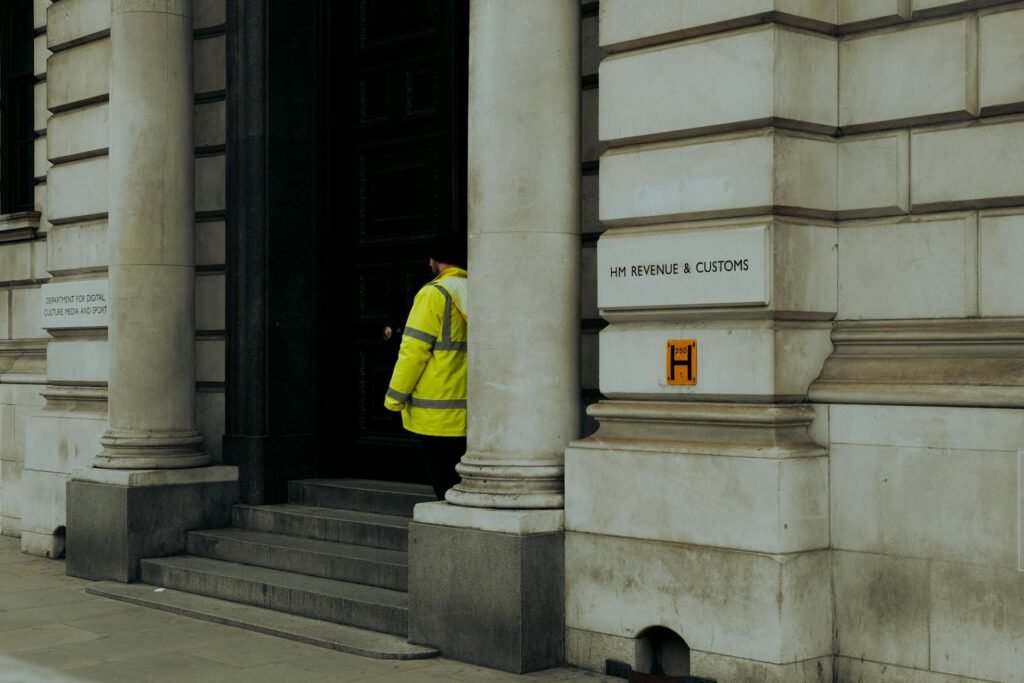
Prime Minister Keir Starmer’s office has confirmed the dismissal of a senior civil servant following revelations that Peter Mandelson, the former envoy to the United States, was appointed despite failing to pass security vetting checks. The decision marks a significant moment for the Prime Minister, highlighting potential vulnerabilities within his administration and raising questions about the thoroughness of internal appointment processes.
The individual in question, whose identity has not been officially released but is understood to be a senior figure within the Foreign Office, was reportedly responsible for overseeing aspects of the vetting process. Their departure underscores the gravity with which the government is treating the security breach. As per information available with TahirRihat.com, the failure to adequately vet a high-profile appointee like Mr. Mandelson, a figure with extensive experience in British politics and international relations, has sent ripples of concern through Whitehall.
Peter Mandelson, a prominent figure in the Labour Party for many years, has held several significant ministerial positions, including Secretary of State for Trade and Industry and First Secretary of State. His appointment as envoy to the United States, a role requiring a high degree of trust and security clearance, was seen by some as a strategic move by the Starmer government to leverage his diplomatic experience. However, the subsequent revelation that he did not meet the stringent security requirements has cast a shadow over the appointment and the processes that allowed it to proceed.
Sources close to the Prime Minister’s office indicated that the decision to terminate the senior civil servant’s employment was swift and decisive, aiming to demonstrate a zero-tolerance policy towards lapses in national security protocols. The Prime Minister’s spokesperson emphasized that the government is committed to upholding the highest standards of security and integrity across all its operations. The exact nature of the security vetting failure has not been disclosed, citing national security concerns. However, it is understood to involve information that would typically preclude an individual from holding sensitive positions within the government.
The incident raises broader questions about the effectiveness of current security vetting procedures for individuals appointed to critical roles within the UK government. In an era where national security threats are increasingly complex and sophisticated, the integrity of these vetting processes is paramount. The opposition parties are expected to scrutinize the government’s handling of this matter, potentially leading to parliamentary questions and debates regarding the appointment and dismissal.
The former envoy to the United States, Peter Mandelson, has not yet publicly commented on the situation. His past roles have often placed him at the center of political and economic discussions, both domestically and internationally. His appointment to such a sensitive role, coupled with the subsequent revelation about his vetting status, presents a complex narrative that will likely be dissected by political analysts and the media in the coming days and weeks. The implications for the UK’s diplomatic relations and internal security apparatus are yet to be fully understood.
The dismissal of a senior civil servant over such a matter is rare and signifies the seriousness with which the Prime Minister’s office views the security implications. It suggests that the vetting process, which typically involves checks on an individual’s background, financial history, and potential foreign influences, may have been compromised or bypassed. The government’s swift action, while potentially damaging to its image in the short term, could be seen as an attempt to preempt further criticism and reassure the public and international partners about its commitment to security.
The role of a senior civil servant is crucial in ensuring the smooth functioning of government departments and upholding the integrity of public service. Their oversight of critical processes, such as security vetting, carries immense responsibility. The failure in this instance has led to a significant political fallout, prompting a review of existing protocols. Information reaching TahirRihat.com suggests that an internal review of the entire vetting system is likely to be initiated to identify any systemic weaknesses and implement necessary reforms.
The appointment of individuals to sensitive positions requires a meticulous and robust vetting process. Any deviation from these standards can have far-reaching consequences, impacting national security, public trust, and international relations. The current administration faces the challenge of demonstrating its capability to manage these critical aspects of governance effectively, especially in the face of evolving geopolitical landscapes and security threats. The coming days will likely see further developments as more details emerge and the political ramifications of this incident unfold.


Tahir Rihat (also known as Tahir Bilal) is an independent journalist, activist, and digital media professional from the Chenab Valley of Jammu and Kashmir, India. He is best known for his work as the Online Editor at The Chenab Times.