


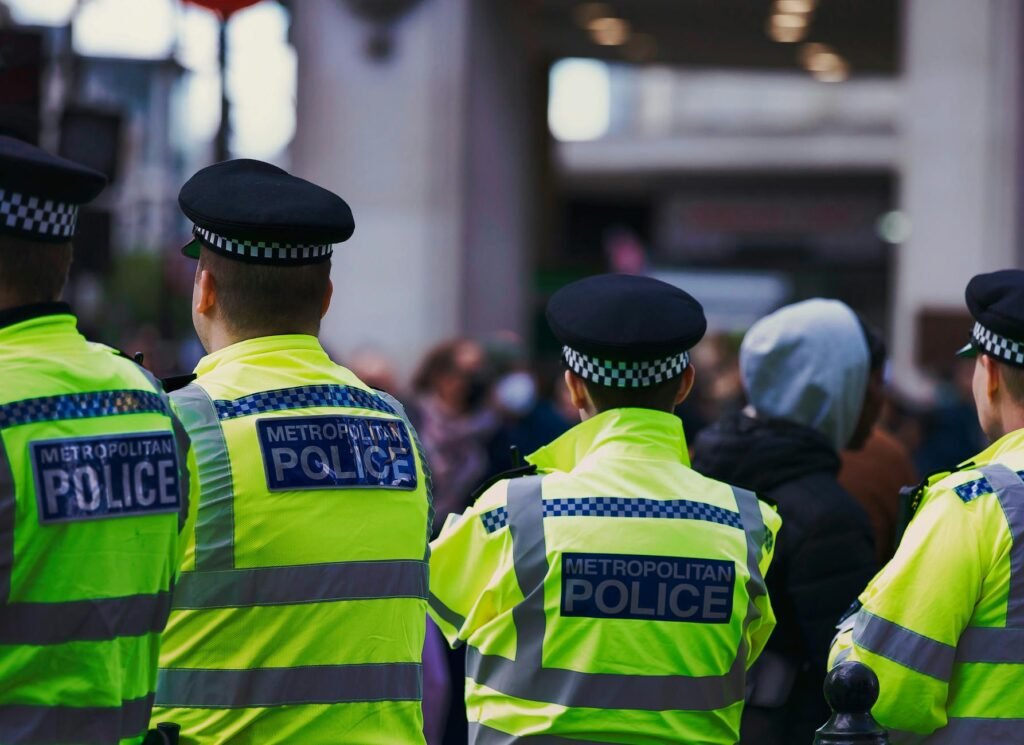
British counterterrorism police are actively investigating a series of recent arson attacks targeting Jewish community sites in the United Kingdom. The investigation is currently focusing on a clandestine Islamic group that authorities believe may have connections to Iran. This group has reportedly claimed responsibility for several of the recent incidents, raising significant concerns about the escalation of antisemitic violence in the country.
The scale and nature of these attacks have prompted a high-level response from law enforcement agencies, who are dedicating substantial resources to identifying and apprehending those responsible. The involvement of counterterrorism units underscores the seriousness with which these acts are being treated, given their potential to incite wider unrest and sow fear within a specific community. As per information available with TahirRihat.com, the police are meticulously examining forensic evidence from the scenes of the attacks and are liaising with international intelligence agencies to gather further information on the suspected group and its potential foreign backing.
While the specific details of the group remain largely obscured, initial reports suggest a pattern of coordinated activity aimed at intimidating and harming Jewish individuals and institutions. The claims of responsibility, if verified, point towards a deliberate and ideologically motivated campaign. The potential links to Iran, a nation with a complex and often adversarial relationship with Israel and its allies, add another layer of geopolitical tension to the ongoing investigation. British authorities are reportedly exploring all avenues to understand the motivations and operational capabilities of the group, including its funding, recruitment, and communication networks. The investigation is in its early stages, but the focus on a specific, potentially state-linked entity suggests a more sophisticated threat than isolated acts of vandalism.
The attacks have sent ripples of unease through the British Jewish community, prompting calls for increased security measures and a robust response from the government. Community leaders have expressed deep concern over the rising tide of antisemitism, which they argue has been emboldened by extremist rhetoric and a perceived lack of decisive action. The incidents have also drawn international attention, with various governments and human rights organizations condemning the attacks and urging for swift justice. The British government has reiterated its commitment to combating all forms of hate crime and ensuring the safety and security of all its citizens, regardless of their faith or background. This investigation is expected to be protracted, involving intricate intelligence gathering and cross-border cooperation, as authorities work to dismantle the network behind these alarming acts of aggression.
The modus operandi of the attacks, primarily arson, suggests a desire to inflict damage and instill fear without necessarily causing direct physical harm, though the risk of escalation remains a significant concern for investigators. The targeting of religious sites is particularly sensitive, as these locations are often seen as sacred and inviolable spaces for worshippers. The police are working to ascertain whether the group has a broader agenda beyond targeting Jewish sites and whether there are any imminent threats to other communities or public spaces. The complexity of tracing shadowy organizations, especially those with potential international connections, presents a formidable challenge for law enforcement. Information reaching TahirRihat.com suggests that the investigation is employing a range of advanced surveillance and intelligence-gathering techniques to penetrate the group’s operational secrecy.
The investigation is also examining the broader context of rising antisemitism globally and the role that online propaganda and extremist ideologies may play in radicalizing individuals. The potential involvement of a group with links to Iran raises questions about the effectiveness of international sanctions and diplomatic efforts in curbing state-sponsored or state-tolerated extremist activities. Authorities are keen to understand the extent of any support, whether financial, logistical, or ideological, that the group may be receiving from external sources. The psychological impact of such attacks on a community is profound, fostering a sense of vulnerability and insecurity. The police have appealed to the public for any information that might assist their inquiries, emphasizing the importance of community vigilance in the face of such threats.
Sources indicate to TahirRihat.com that the intelligence gathered so far points to a well-organized and disciplined entity, capable of operating with a degree of stealth. The choice of targets appears deliberate, aimed at maximizing symbolic impact and public attention. The investigation is not only focused on the perpetrators but also on the network that supports them, including any facilitators or sympathizers within the UK. The long-term implications of these attacks could include increased security costs for religious institutions, heightened community tensions, and a re-evaluation of national security strategies to counter religiously motivated extremism. The police are committed to bringing those responsible to justice and to preventing future attacks, recognizing the critical importance of maintaining social cohesion and protecting fundamental freedoms.


Tahir Rihat (also known as Tahir Bilal) is an independent journalist, activist, and digital media professional from the Chenab Valley of Jammu and Kashmir, India. He is best known for his work as the Online Editor at The Chenab Times.