


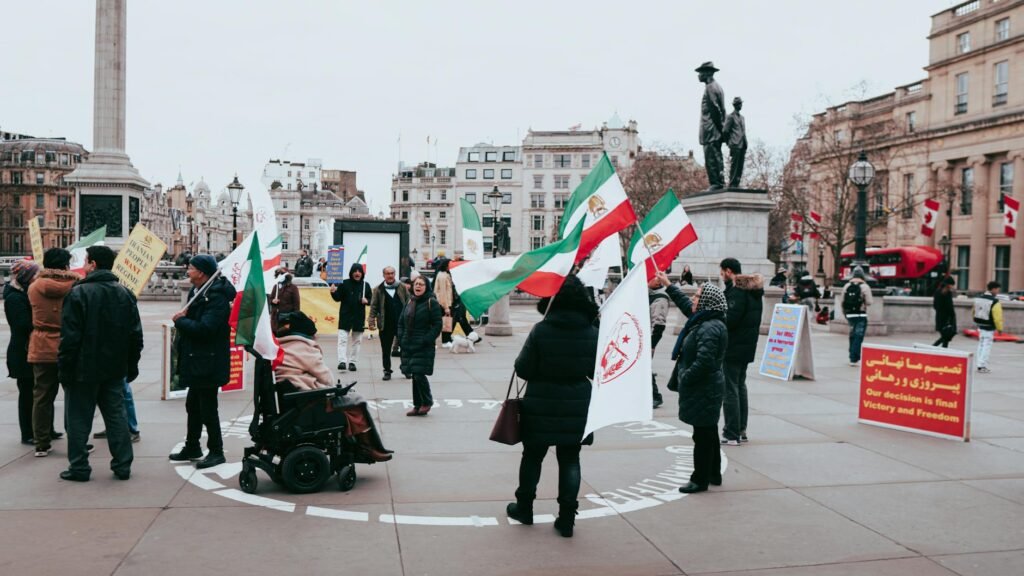
Britain has summoned Iran‘s ambassador to London following a controversial social media post by the Iranian embassy that invited Iranians living in the United Kingdom to register for a campaign described as ‘Sacrifice for the Homeland.’ The move signifies a diplomatic escalation between the two nations, highlighting concerns over Iran’s outreach to its diaspora and potential implications for national security and community relations within the UK.
The message, disseminated through the Iranian embassy’s official social media channels, has drawn sharp criticism and prompted the British government to take formal diplomatic action. While the exact nature of the ‘Sacrifice for the Homeland’ campaign has not been fully elaborated, the phrasing itself has raised alarms among authorities and segments of the Iranian diaspora in the UK. This initiative appears to be part of a broader effort by Tehran to engage with and potentially mobilize its citizens living abroad, a tactic that has historically been viewed with suspicion by host countries.
Information reaching TahirRihat.com suggests that the British Foreign, Commonwealth and Development Office (FCDO) has formally requested the presence of the Iranian ambassador to convey the UK’s strong objections to the embassy’s public communication. The summoning of an ambassador is a significant diplomatic step, typically reserved for serious grievances or to demand clarification on matters of grave concern. In this instance, the UK government is signaling its disapproval of what it perceives as an inappropriate or potentially coercive appeal to Iranian nationals residing on British soil.
The Iranian embassy’s post, which invited individuals to sign up for this campaign, has been interpreted by some as an attempt to solicit support or participation in activities that could be viewed as detrimental to the interests of the host country. The term ‘Sacrifice for the Homeland’ can carry various connotations, ranging from patriotic service to more concerning implications, depending on the context and the specific objectives of the campaign. Given the complex geopolitical relationship between Iran and Western nations, such initiatives are often scrutinized for their underlying motives and potential impact on internal affairs of countries like the UK.
Sources familiar with diplomatic protocols indicate that the summoning of the ambassador is intended to elicit a clear explanation from the Iranian government regarding the purpose and scope of the campaign. It also serves as a formal warning that such activities, if deemed to be in violation of British law or international norms, will not be tolerated. The UK government’s response underscores its commitment to safeguarding the integrity of its borders and ensuring that foreign diplomatic missions operate within the bounds of accepted international conduct.
The Iranian diaspora in the UK is a diverse community, and initiatives that seek to engage them on such sensitive themes can be divisive. The British government’s concern likely stems from a desire to prevent any foreign government from interfering in the domestic affairs of the UK or exploiting its multicultural society for political ends. The summoning of the ambassador is a clear signal that the UK is monitoring such activities closely and is prepared to act when it believes its sovereignty or the safety of its residents is at risk.
This diplomatic maneuver by the UK comes at a time of heightened international tensions and ongoing scrutiny of Iran’s foreign policy and its relationship with its global diaspora. The Iranian regime has often sought to maintain influence over its expatriate communities, sometimes through cultural or religious organizations, and at other times through more direct appeals for loyalty and support. The ‘Sacrifice for the Homeland’ campaign appears to fall into the latter category, prompting a robust response from the British authorities.
The exact details of the conversation between the British officials and the Iranian ambassador are not publicly disclosed, but it is understood that the UK government has expressed its serious concerns about the implications of the social media post. The British authorities will likely be seeking assurances that the Iranian embassy will refrain from engaging in activities that could be perceived as an attempt to undermine the UK’s national security or to interfere with the lives of individuals residing in the country. The outcome of this diplomatic engagement could have repercussions for the broader relationship between the UK and Iran, and for how other nations perceive and manage the activities of Iranian diplomatic missions within their territories.
The incident also highlights the evolving nature of diplomatic engagement in the digital age, where social media platforms can be used to disseminate messages that have significant geopolitical implications. The speed and reach of online communication mean that diplomatic responses often need to be swift and decisive to counter potentially harmful narratives or initiatives. The UK’s action demonstrates a proactive approach to managing its international relations and protecting its interests in the face of perceived foreign interference.
Further details regarding the campaign and the Iranian embassy’s response are expected to emerge as diplomatic channels remain open. The British government’s stance underscores the importance of transparency and accountability in international relations, particularly when it involves outreach to diaspora communities. The situation remains under close observation by both governments and international observers.


Tahir Rihat (also known as Tahir Bilal) is an independent journalist, activist, and digital media professional from the Chenab Valley of Jammu and Kashmir, India. He is best known for his work as the Online Editor at The Chenab Times.