


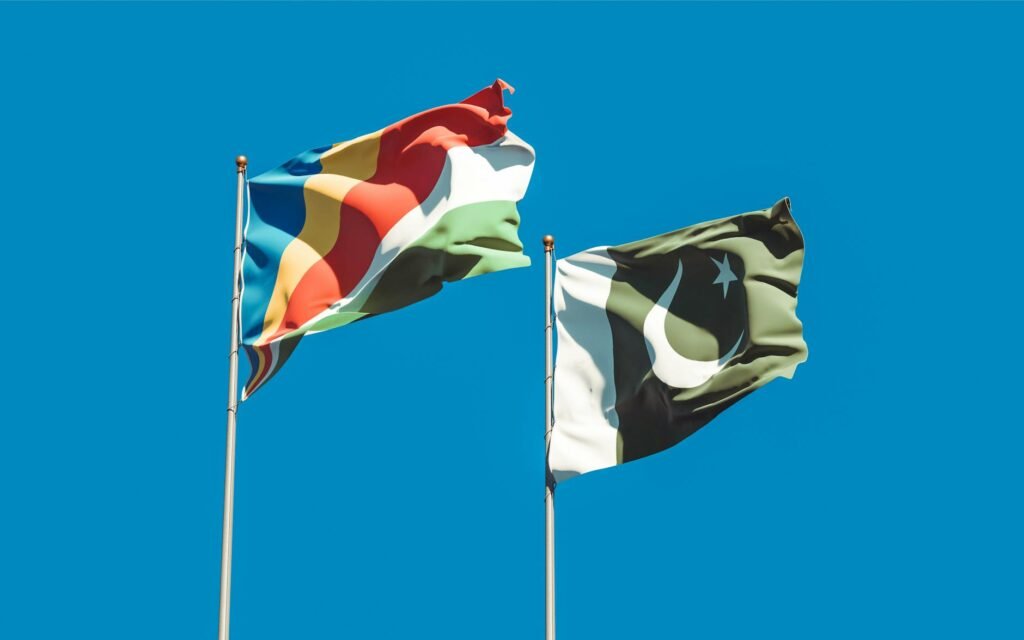
In a significant diplomatic move aimed at de-escalating tensions in the region, the United States, under the leadership of Vice President JD Vance, engaged in high-level talks with Iran. These discussions, facilitated by Pakistan, represent the most substantial dialogue between the two nations in nearly half a century. The initiative underscores the complex interplay of regional and international actors seeking to navigate the intricate geopolitical landscape of the Middle East and South Asia.
The impetus for these talks stems from a confluence of factors, including long-standing concerns over Iran’s nuclear program, its involvement in regional conflicts, and the broader implications for global security. The United States has historically pursued a policy of sanctions and diplomatic isolation towards Iran, but the recent engagement suggests a potential shift in strategy, driven by the need to explore all possible avenues for peaceful resolution of outstanding disputes. Pakistan’s role as a facilitator is crucial, given its unique position as a neighbor of Iran and a long-time strategic ally of the United States.
The details of the talks, held in undisclosed locations within Pakistan, remain largely confidential. However, sources familiar with the discussions indicate that the agenda covered a wide range of issues, including nuclear proliferation, regional security, and economic cooperation. One of the primary goals of the United States is to ensure that Iran’s nuclear program remains peaceful and does not pose a threat to regional stability. The talks also addressed concerns about Iran’s support for various militant groups in the Middle East, which has been a source of contention for many years. From Iran’s perspective, the talks offer an opportunity to seek relief from crippling economic sanctions and to address its security concerns in the region. The engagement with the United States is seen as a significant step towards re-establishing a more normalized relationship with the international community.
The involvement of Pakistan as a mediator reflects its long-standing commitment to regional peace and stability. Pakistan has historically maintained close ties with both the United States and Iran, and it is uniquely positioned to bridge the gap between these two countries. Islamabad has consistently advocated for dialogue and diplomacy as the preferred means of resolving conflicts, and its role in facilitating these talks underscores its commitment to this principle. However, Pakistan’s own internal challenges, including economic instability and security threats, could potentially complicate its role as a mediator. We are tracking any official statements from the Pakistani government on this issue.
The impact of these talks on the broader geopolitical landscape remains to be seen. However, the fact that they are taking place at all is a testament to the power of diplomacy and the potential for peaceful resolution of conflicts. The United States and Iran have a long and complex history, marked by periods of cooperation and conflict. The current talks represent a new chapter in this relationship, and they offer a glimmer of hope for a more stable and peaceful future. The situation in Jammu and Kashmir adds another layer of complexity to the regional dynamics. Any escalation of tensions between India and Pakistan could potentially undermine the progress made in the US-Iran talks. It is essential that all parties involved exercise restraint and prioritize dialogue as the means of resolving disputes. We are monitoring local reactions closely.
These talks are also occurring against the backdrop of shifting alliances and power dynamics in the Middle East. The rise of new regional players, such as Turkey and Saudi Arabia, as well as the ongoing conflicts in Syria and Yemen, have created a volatile environment that requires careful management. The United States, under the Biden administration, has sought to re-engage with the region in a more nuanced and diplomatic manner, and the talks with Iran are a reflection of this approach. However, the path forward is fraught with challenges, and there is no guarantee that the talks will lead to a breakthrough. The deep-seated mistrust and historical grievances between the United States and Iran will take time to overcome. The United States insists any final deal includes monitoring and verification mechanisms.
In India, the ongoing developments are being closely watched, particularly given India’s own strategic interests in the region. India has traditionally maintained close ties with Iran, especially in the areas of trade and connectivity, and it has a vested interest in ensuring stability in the region for its energy security and access to Central Asian markets. However, India is also a close strategic partner of the United States, and it will need to carefully balance its relationships with both countries. Indian officials have privately signaled their support for diplomatic efforts that lead to a peaceful resolution of the issues between the United States and Iran. India’s own diplomatic capabilities and its extensive network of relationships in the region will be crucial in supporting these efforts.
Looking ahead, the success of the US-Iran talks will depend on the willingness of both sides to compromise and to address each other’s concerns. It will also depend on the active involvement of regional and international actors, who can help to create a more conducive environment for dialogue and cooperation. The challenges are significant, but the potential rewards are even greater. A stable and peaceful Middle East is in the interest of all countries, and the US-Iran talks represent an important step towards achieving this goal. We will continue to report on any updates.
We are seeking comments from foreign policy experts within Jammu and Kashmir to better understand the potential implications. Furthermore, We are reviewing satellite imagery from the region, but cannot confirm any material changes. This article will be updated when further information is available.


Tahir Rihat (also known as Tahir Bilal) is an independent journalist, activist, and digital media professional from the Chenab Valley of Jammu and Kashmir, India. He is best known for his work as the Online Editor at The Chenab Times.