


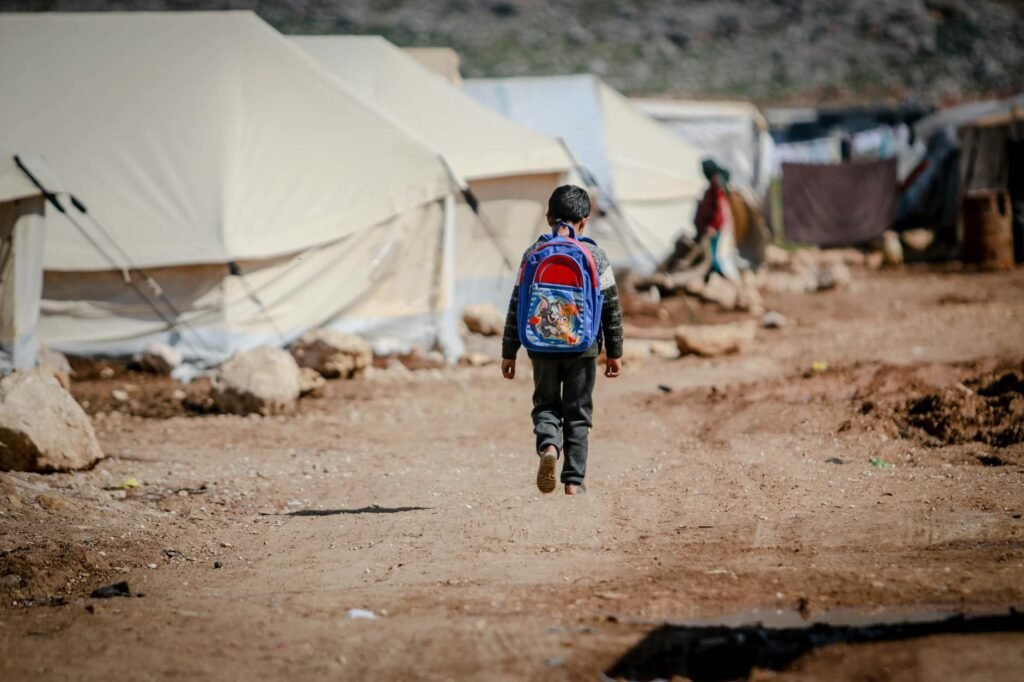
The United States government is reportedly in discussions regarding a potential plan to relocate Afghan nationals who previously aided U.S. forces to the Democratic Republic of Congo. This proposal emerges as a complex and challenging option for individuals who were evacuated from Afghanistan and are currently residing in Qatar, facing a stark choice between resettlement in a new African nation or a return to Taliban rule in their homeland.
A U.S. aid worker, speaking on condition of anonymity to discuss sensitive diplomatic matters, indicated that Afghan evacuees would be presented with this difficult decision. The prospect of relocation to the Democratic Republic of Congo represents a significant departure from the initial expectations of many Afghans who assisted American military and diplomatic missions, often at great personal risk. These individuals and their families had anticipated a more direct pathway to resettlement in Western countries, particularly the United States, given their service and the dangers they faced under the Taliban regime.
Information reaching TahirRihat.com suggests that the ongoing deliberations involve assessing the feasibility and implications of such a move, which would necessitate extensive logistical, humanitarian, and security considerations. The Democratic Republic of Congo, while a sovereign nation, grapples with its own internal conflicts and humanitarian crises, raising questions about its capacity to absorb a new population of refugees and provide adequate support and security. The U.S. aid worker emphasized that the choice would be between the Congo and the potential for a return to Afghanistan, a scenario many are desperate to avoid.
The situation underscores the persistent challenges faced by the U.S. in fulfilling its commitments to Afghan allies following the chaotic withdrawal of American forces in August 2021. Thousands of Afghans who worked as translators, cultural advisors, and in other support roles have been left in precarious situations, with many still awaiting resettlement or facing uncertain futures. While the U.S. has resettled a significant number of Afghans in various locations, the process has been fraught with bureaucratic hurdles and capacity limitations.
The reported consideration of the Democratic Republic of Congo as a destination highlights the limited options available and the complex geopolitical landscape. It is understood that the U.S. is exploring all avenues to provide a safe haven for these individuals, but the proposed solution in Congo is likely to be met with significant scrutiny and concern from humanitarian organizations and the Afghan diaspora. The U.S. aid worker noted that the specifics of any agreement with the Congolese government, as well as the level of support the U.S. would provide to those relocated, remain subjects of ongoing negotiation and planning. The potential move also raises questions about the long-term integration prospects for Afghans in a region with vastly different cultural and socio-economic conditions.
The U.S. State Department has not officially commented on these specific discussions, adhering to its policy of not commenting on hypothetical or ongoing diplomatic initiatives. However, officials have consistently stated their commitment to assisting Afghan allies and ensuring their safety and well-being. The complexities of international resettlement, particularly in the aftermath of a major military withdrawal, often involve intricate negotiations with third countries and substantial resource allocation for humanitarian aid and integration programs. The involvement of an aid worker in disclosing these talks suggests a level of internal awareness within organizations working on the ground with Afghan evacuees.
The potential relocation to the Democratic Republic of Congo, if it proceeds, would represent a significant humanitarian undertaking. The country has a long history of internal displacement and faces ongoing challenges related to security and governance in various regions. Any resettlement program would require robust international cooperation and substantial investment to ensure the safety, dignity, and successful integration of the Afghan population. The U.S. has previously engaged in similar resettlement efforts in other countries, but the scale and specific context of the Afghan situation present unique challenges.
The decision for Afghans to choose between the Congo and returning to Taliban-controlled Afghanistan is a grim testament to the limited choices available to them. Many who aided the U.S. have expressed deep fears of reprisal and persecution should they be forced to return to their homeland. The Taliban have been accused of human rights abuses and of targeting individuals who worked with foreign forces. Therefore, the prospect of resettlement, even in a challenging environment like the Democratic Republic of Congo, might be viewed by some as a preferable alternative to facing potential retribution.
The U.S. government’s exploration of this option underscores the ongoing diplomatic efforts to manage the aftermath of the Afghanistan withdrawal and to uphold its commitments to those who supported its mission. The success of such a resettlement program would hinge on comprehensive planning, adequate funding, and strong partnerships with international organizations and the host government. The humanitarian implications are profound, and the well-being of the Afghan evacuees must remain the paramount concern throughout any proposed relocation process.


Tahir Rihat (also known as Tahir Bilal) is an independent journalist, activist, and digital media professional from the Chenab Valley of Jammu and Kashmir, India. He is best known for his work as the Online Editor at The Chenab Times.