


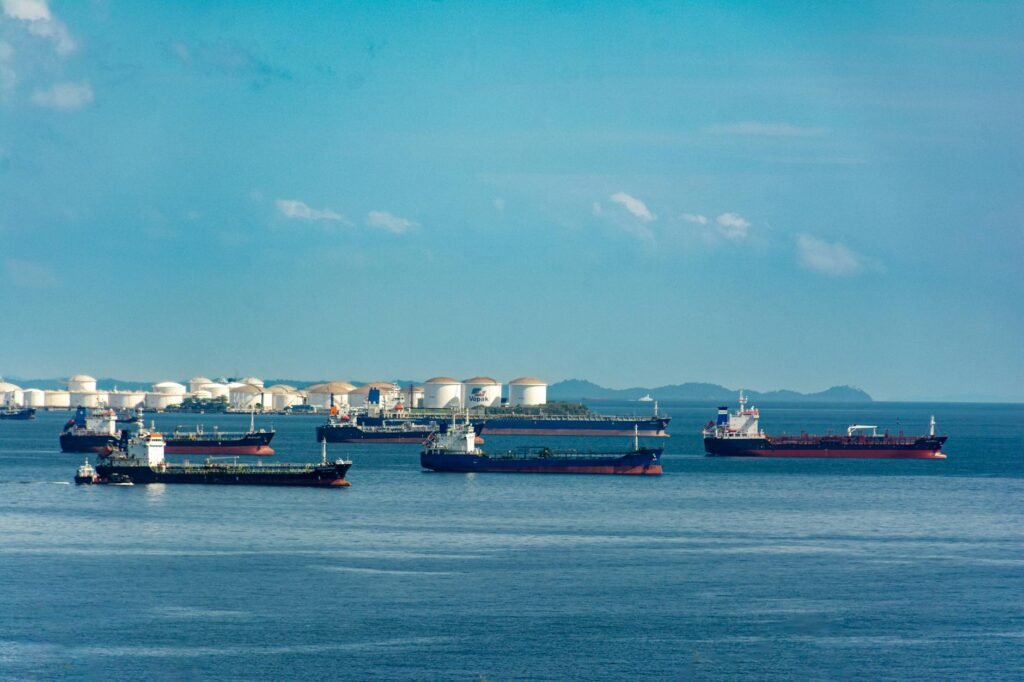
The United States has granted a one-month extension to a waiver that permits countries to continue purchasing petroleum products from Russia, a decision that comes shortly after initial indications that such a measure would not be renewed. The U.S. Department of Treasury issued an order late Friday, extending the sanctions exemption for Russian oil that was already in transit at sea on or before April 17. This renewed waiver will remain in effect through May 16, allowing for the continued flow of these sanctioned commodities to global markets under specific conditions.
This development marks a significant shift from earlier pronouncements. Just days prior to the issuance of this extension, U.S. Treasury Secretary Scott Bessent had stated that Washington would not be renewing the waiver for Russian oil, nor for Iranian oil. This earlier stance had suggested a tightening of sanctions against energy exports from these nations. The previous waiver, which had expired on April 11, had facilitated the availability of approximately 140 million barrels of Russian oil that had already been loaded onto vessels, contributing to global supply at a time when prices were experiencing upward pressure, partly influenced by geopolitical tensions. Information reaching TahirRihat.com suggests that the Treasury Department’s decision to extend the waiver reflects a complex balancing act between maintaining sanctions pressure and ensuring global energy market stability.
The newly issued General License No. 134B, effective April 17, 2026, supersedes and replaces General License No. 134A, which had been dated March 19, 2026, and expired on April 11, 2026. This specific authorization is crucial for nations that rely on Russian energy imports and had previously secured exemptions. The U.S. Treasury’s move provides a temporary reprieve, allowing for the orderly integration of these already-shipped oil cargoes into the international market without immediate disruption. The initial exemption for India to purchase Russian oil for a month, beginning March 5, was a precursor to similar waivers being extended to several other countries, all of which concluded on April 11, prior to this latest extension.
However, the scope of this renewed waiver is not without its limitations. The general license explicitly prohibits any transactions involving individuals, entities, or joint ventures located in Iran, North Korea, Cuba, or specific regions of Ukraine. This stipulation underscores the U.S. government’s continued commitment to isolating these particular states and territories from engaging in sanctioned trade, even as it provides a temporary allowance for Russian oil already in transit. The intricate web of sanctions and their associated waivers highlights the multifaceted approach the United States is employing in its foreign policy, particularly concerning energy markets and geopolitical adversaries. The implications of this extension are likely to be closely watched by global energy traders, policymakers, and international financial institutions, as it directly impacts the supply dynamics and price volatility of crude oil.
The decision to extend the waiver, even for a limited period, suggests a pragmatic approach by the U.S. administration to manage the immediate consequences of sanctions on global energy supplies. The previous waiver had been instrumental in preventing a sudden shock to the market, particularly when oil prices were already elevated due to ongoing international conflicts and supply chain uncertainties. The inclusion of specific exclusions, such as those pertaining to Iran, North Korea, Cuba, and parts of Ukraine, indicates that the core objectives of the sanctions regime remain intact, with the waiver serving a specific, temporary purpose related to existing logistical arrangements for Russian oil. The Treasury Department’s order, while providing a short-term solution, also implies that a more permanent resolution or a different strategy regarding Russian energy imports may be under consideration. The intricate nature of international energy trade, coupled with the complex geopolitical landscape, necessitates such carefully calibrated policy adjustments. The market’s reaction to this news will be a key indicator of its immediate impact on oil prices and the broader energy sector.


Tahir Rihat (also known as Tahir Bilal) is an independent journalist, activist, and digital media professional from the Chenab Valley of Jammu and Kashmir, India. He is best known for his work as the Online Editor at The Chenab Times.