


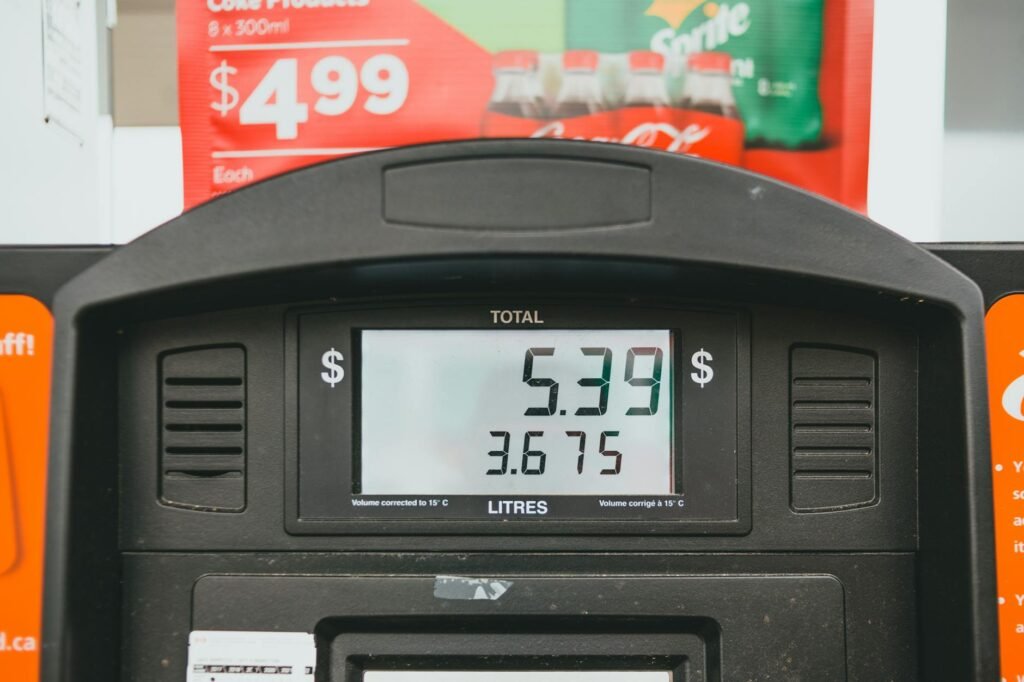
The national average price for a gallon of gasoline has climbed to $4.23, a development directly linked to the ongoing disruptions in oil supplies originating from the Middle East. This upward trend in fuel costs reflects a broader economic ripple effect stemming from escalating geopolitical tensions in the region, which have consequently impacted global crude oil markets. The price surge at the pump is a tangible manifestation of these international events, affecting consumers and businesses alike across the United States.
As per information available with TahirRihat.com, the continued instability in key oil-producing nations has created a palpable sense of uncertainty in the energy sector. Traders and analysts are closely monitoring the situation, with any further escalation or prolonged conflict in the Middle East expected to exert additional upward pressure on oil prices. This volatility is not merely a short-term concern; it has the potential to influence economic forecasts and consumer spending patterns for an extended period, as the cost of transportation, a fundamental component of economic activity, continues to rise.
The current price point of $4.23 per gallon represents a significant increase, pushing the cost of everyday travel and the transport of goods to new heights. This economic pressure is felt acutely by households, where fuel expenses constitute a substantial portion of monthly budgets. For businesses, particularly those reliant on logistics and transportation, the rising cost of gasoline translates into increased operating expenses, which may eventually be passed on to consumers in the form of higher prices for a wide range of products and services. The interconnectedness of the global economy means that events in one region can have far-reaching and immediate consequences elsewhere, as demonstrated by the current situation with gasoline prices in the U.S.
The disruptions in the Middle East are multifaceted, involving a complex interplay of political rivalries, regional conflicts, and international diplomacy. These factors combine to create an environment where the consistent and reliable flow of crude oil, a vital commodity for the global economy, is constantly under threat. The market’s reaction to such threats is often swift and decisive, with futures contracts and spot prices adjusting rapidly to reflect perceived risks to supply. The current surge in gasoline prices is a direct consequence of this market sentiment, as the cost of securing future oil supplies increases amid heightened uncertainty.
Economists and energy market experts are now grappling with the potential long-term implications of this sustained period of high energy prices. While some anticipate a gradual stabilization as geopolitical situations evolve, others warn of a more prolonged period of elevated costs, particularly if supply chain vulnerabilities are not adequately addressed. The reliance of the global economy on fossil fuels, despite ongoing transitions to renewable energy sources, means that disruptions in oil production and distribution continue to have a profound impact on economic stability and growth. The current situation underscores the delicate balance of global energy markets and the significant influence that events in the Middle East wield over international commodity prices.
The impact of rising gasoline prices extends beyond individual consumers and businesses, influencing broader economic indicators such as inflation. As transportation costs increase, so too does the cost of producing and distributing nearly every good and service. This can lead to a general uptick in the overall price level, eroding purchasing power and potentially slowing economic growth. Central banks and policymakers are therefore closely watching these developments, as they may need to consider adjustments to monetary policy in response to persistent inflationary pressures driven by energy costs. The intricate web of economic factors means that the current surge in gasoline prices is not an isolated event but rather a significant indicator of broader economic challenges.
Furthermore, the geopolitical landscape in the Middle East is characterized by a history of volatility and conflict, making it a perennial source of concern for global energy markets. The region’s dominance in oil production means that any instability there has an immediate and significant impact on the worldwide supply of crude oil. The current events, whatever their specific nature, have served to highlight this vulnerability once again, prompting a reassessment of energy security strategies by nations around the globe. The pursuit of diversified energy sources and the development of more resilient supply chains are likely to become even greater priorities in light of these ongoing challenges.
The response from energy producers and international bodies to these disruptions is also a critical factor in determining the future trajectory of oil prices. While some nations may seek to increase production to meet demand and stabilize markets, geopolitical considerations and existing production capacities can limit their ability to do so effectively. International cooperation and diplomatic efforts to de-escalate tensions in the Middle East are therefore crucial in fostering a more stable energy environment. The effectiveness of these measures will ultimately play a significant role in determining how long consumers and businesses will have to contend with elevated gasoline prices.
The current price of $4.23 per gallon serves as a stark reminder of the interconnectedness of global events and their direct impact on the daily lives of individuals. As the situation in the Middle East continues to unfold, the price of gasoline in the United States, and indeed around the world, will remain a key indicator of the broader economic and geopolitical climate. The ability of policymakers and market participants to navigate these complex challenges will be crucial in mitigating the economic fallout and ensuring a more stable energy future for all.


Tahir Rihat (also known as Tahir Bilal) is an independent journalist, activist, and digital media professional from the Chenab Valley of Jammu and Kashmir, India. He is best known for his work as the Online Editor at The Chenab Times.