


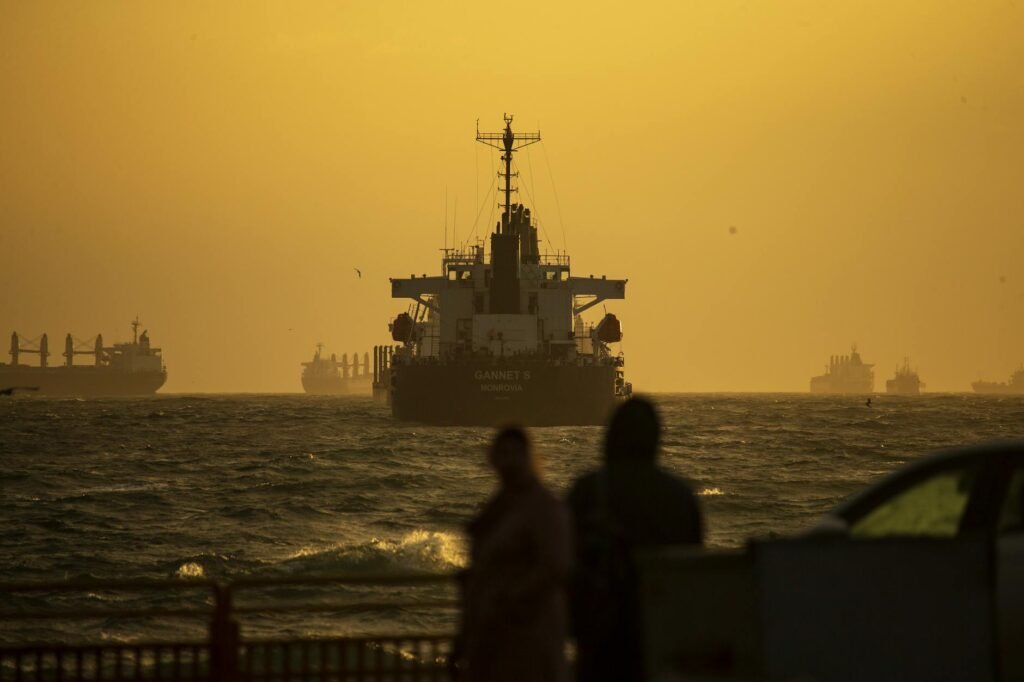
United States Navy forces have disabled and seized the Iranian-flagged cargo ship Touska in a significant maritime operation, initiating a thorough search of its thousands of containers. The vessel, identified as being under international sanctions, was apprehended on Sunday, marking a notable escalation in regional maritime security efforts. Marines are currently engaged in the meticulous process of inspecting the cargo, a task that is expected to be extensive given the sheer volume of containers aboard the seized ship.
The operation, which unfolded in the strategically vital Strait of Hormuz, underscores the ongoing tensions and the United States’ commitment to enforcing sanctions against Iran. Information reaching TahirRihat.com suggests that the seizure is part of a broader effort to interdict vessels suspected of violating international regulations or sanctions regimes. The presence of the U.S. Navy in such close proximity to Iranian waters and its assertive actions highlight the delicate geopolitical balance in the Persian Gulf region.
The Touska, operating under an Iranian flag, has been a subject of international scrutiny due to its alleged involvement in activities that contravene existing sanctions. While the specific nature of the cargo or the exact reasons for its sanctioning were not immediately detailed in the initial reports, the U.S. Navy’s decisive action indicates a high level of intelligence and certainty regarding the vessel’s status and activities. The search of the ship is not merely a procedural step but a critical phase in gathering evidence and understanding the full scope of any illicit operations. The implications of this seizure extend beyond the immediate interdiction, potentially impacting maritime trade routes and further straining diplomatic relations between the U.S. and Iran.
The Strait of Hormuz, a narrow waterway connecting the Persian Gulf to the Gulf of Oman, is one of the world’s most critical chinks for oil transportation. Any disruption or heightened military activity in this region can have immediate and far-reaching consequences for global energy markets and international shipping. The U.S. Navy’s sustained presence and operational tempo in this area are designed to ensure freedom of navigation and deter any actions that could threaten regional stability. The seizure of the Touska is a tangible demonstration of this commitment, signaling to all maritime actors that the enforcement of sanctions and international law will be pursued assertively.
The process of searching thousands of containers is a complex and time-consuming endeavor. It requires specialized teams trained in identifying contraband, weapons, or any items that may be subject to seizure under sanctions laws. The U.S. military’s capability to conduct such operations at sea, often in challenging conditions, reflects its advanced logistical and tactical prowess. The information gathered from this search will be crucial in determining the next steps, which could include further legal proceedings against the vessel, its owners, or its operators, depending on the findings. The international community will be closely watching the developments, as such incidents can have significant diplomatic and economic repercussions.
The Iranian-flagged vessel’s apprehension is a stark reminder of the persistent challenges in maritime security and the ongoing efforts by global powers to maintain order on the high seas. The sanctions imposed on Iran are multifaceted, aimed at curbing its nuclear program, ballistic missile development, and support for regional proxies. Vessels found to be complicit in circumventing these sanctions often face severe penalties, including seizure and confiscation of their cargo and assets. The U.S. Navy’s operation against the Touska aligns with these broader objectives, reinforcing the message that non-compliance will not go unnoticed or unchallenged.
The strategic importance of the Strait of Hormuz cannot be overstated. It is a vital artery for global commerce, and its security is a paramount concern for numerous nations. The United States, along with its allies, has consistently worked to ensure the unimpeded flow of maritime traffic through this critical waterway. The seizure of the Touska, while a specific incident, is part of this larger framework of maritime security operations aimed at preventing illicit activities and maintaining stability in a volatile region. The detailed examination of the ship’s contents is expected to shed more light on the nature of its operations and its role in any sanctioned activities.
The U.S. Navy’s methodical approach to the search suggests a commitment to due process, even in the context of a military seizure. Each container will likely be opened, inspected, and its contents documented. This rigorous process is essential for building a case and ensuring that any actions taken are legally sound and supported by evidence. The international maritime law framework provides guidelines for such operations, and adherence to these protocols is crucial for maintaining legitimacy and avoiding potential disputes. The successful interdiction and search of the Touska represent a significant operational achievement for the U.S. Navy, demonstrating its capability to project power and enforce international norms in a critical global waterway.
The broader implications of this event are significant. It signals a continued robust enforcement of sanctions against Iran and a willingness by the U.S. to take direct action to intercept vessels suspected of violating these measures. This could lead to increased scrutiny of Iranian-flagged shipping and potentially impact Iran’s ability to conduct international trade. Furthermore, it underscores the ongoing geopolitical competition in the Persian Gulf, where maritime security remains a constant concern. The detailed findings from the search of the Touska will likely be closely analyzed by governments and intelligence agencies worldwide, providing insights into the methods used to circumvent sanctions and the types of goods being transported.
The U.S. military’s involvement in such operations is a testament to its extensive resources and its strategic positioning in key global maritime zones. The ability to deploy specialized units like Marines to conduct complex searches at sea is a critical component of its national security apparatus. The seizure of the Touska is not an isolated incident but rather a part of a continuous effort to monitor and control maritime activities that could pose a threat to regional or global security. The international community will be looking for further details on the findings of the search and the subsequent actions taken by the U.S. authorities, as these will undoubtedly shape the ongoing narrative surrounding Iran’s international relations and its adherence to global sanctions regimes.


Tahir Rihat (also known as Tahir Bilal) is an independent journalist, activist, and digital media professional from the Chenab Valley of Jammu and Kashmir, India. He is best known for his work as the Online Editor at The Chenab Times.