


The United States Treasury Department has announced a fresh wave of sanctions targeting entities involved in Iran‘s illicit oil trade, aiming to further disrupt the flow of revenue to the Iranian regime. This latest action underscores the ongoing U.S. strategy to pressure Iran by cutting off its primary source of income, which the administration asserts is used to fund destabilizing activities in the region and support its nuclear program.
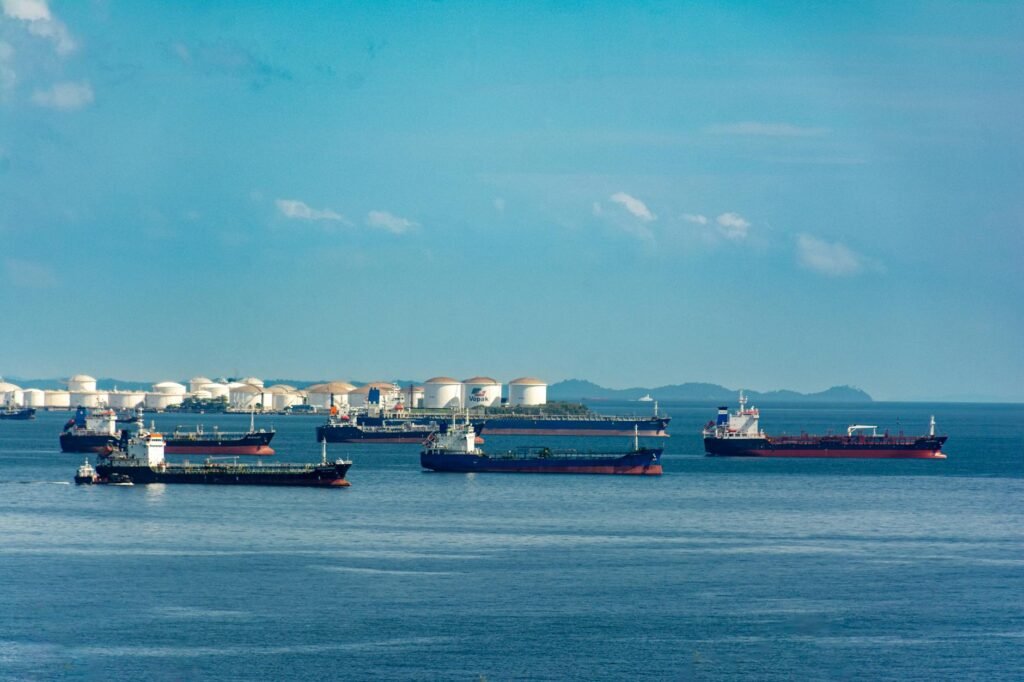
Information reaching TahirRihat.com suggests that the new sanctions specifically target a network of individuals and companies accused of facilitating the sale and transport of Iranian oil, often through deceptive practices designed to circumvent existing restrictions. These measures are part of a broader effort to dismantle what U.S. officials have described as Iran’s “shadow fleet” of oil tankers, which operate with a lack of transparency and are used to obscure the origin of the crude oil.
Among the entities designated by the Treasury Department is a prominent independent refinery in China, identified as a significant purchaser of Iranian petroleum. This move signals an increased focus on downstream buyers and processors of Iranian oil, indicating that the U.S. is broadening its enforcement efforts beyond the shipping and logistical aspects of the trade. The Treasury Department stated that this refinery played a crucial role in absorbing Iranian crude, thereby enabling the continuation of these sanctioned sales.
The U.S. government has consistently maintained that Iran’s oil revenue is instrumental in financing its ballistic missile program, support for proxy groups across the Middle East, and its pursuit of advanced weaponry. By imposing these sanctions, the Biden administration seeks to limit the resources available to the Iranian government for such activities, thereby enhancing regional security and deterring further aggression. The Treasury Department’s press release detailed the specific entities and individuals targeted, outlining their alleged involvement in the complex web of transactions that move Iranian oil to the global market, often through ship-to-ship transfers and the use of falsified documentation.
The sanctions regime against Iran has been a cornerstone of U.S. foreign policy for years, with successive administrations employing various tools to curtail its economic and military capabilities. The current approach emphasizes a robust enforcement of existing sanctions while also adapting to new methods employed by Iran and its trading partners to evade these restrictions. Officials have indicated that the Treasury Department is continuously monitoring global oil markets and shipping activities to identify and disrupt any attempts to circumvent sanctions, working in coordination with international allies and financial institutions.
The designation of the Chinese refinery represents a significant escalation in the pressure campaign, as it targets a major industrial consumer of oil. This action could have broader implications for international trade and energy markets, potentially leading to increased scrutiny of transactions involving Iranian crude. The U.S. has previously warned other countries and companies against engaging in trade with Iran, emphasizing the risks of secondary sanctions, which can target foreign entities that do business with sanctioned Iranian entities. The Treasury Department has made it clear that it will continue to pursue those who facilitate Iran’s oil exports, regardless of their location or the complexity of their operations.
The effectiveness of these sanctions in achieving their stated goals remains a subject of ongoing debate. While proponents argue that they significantly constrain Iran’s financial resources, critics point to the potential for humanitarian consequences and the possibility of unintended economic impacts on global energy supplies. However, the U.S. administration maintains that its sanctions are carefully calibrated to target the regime and its illicit activities, rather than the Iranian people. The Treasury Department has stated that its Office of Foreign Assets Control (OFAC) is committed to enforcing U.S. sanctions laws and regulations rigorously, and that it will continue to take action against those who violate them.
The ongoing efforts to curb Iran’s oil exports are intrinsically linked to broader geopolitical concerns, including the security of maritime trade routes in the Persian Gulf and the wider Indo-Pacific region. The U.S. views Iran’s assertiveness in these waterways and its support for various militant groups as direct threats to international stability. By disrupting Iran’s oil revenue, the U.S. aims to diminish its capacity to project power and influence through these channels. The Treasury Department’s actions are part of a comprehensive strategy that includes diplomatic engagement, military deterrence, and economic pressure, all aimed at altering Iran’s behavior and encouraging it to return to negotiations on its nuclear program and regional activities.
The Treasury Department’s announcement detailed the specific mechanisms through which the targeted network operated, including the use of shell companies, front entities, and complex financial arrangements to obscure the ultimate destination and ownership of the oil. Information provided by the Treasury Department indicated that these tactics were designed to mislead financial institutions and regulatory bodies, allowing Iran to continue exporting its oil despite international restrictions. The department also highlighted its commitment to working with international partners to share intelligence and coordinate enforcement actions, underscoring the global nature of the challenge posed by illicit oil trafficking.
The implications of these sanctions extend beyond the immediate financial impact on Iran. They also serve as a warning to other nations and businesses that engaging in such trade carries significant risks. The U.S. has a track record of imposing secondary sanctions on entities that violate its sanctions regimes, and this latest action reinforces that commitment. The Treasury Department’s statement emphasized that it will continue to employ all available tools to disrupt Iran’s oil trade and hold accountable those who facilitate it, signaling a sustained and determined effort to enforce these measures.


Tahir Rihat (also known as Tahir Bilal) is an independent journalist, activist, and digital media professional from the Chenab Valley of Jammu and Kashmir, India. He is best known for his work as the Online Editor at The Chenab Times.