


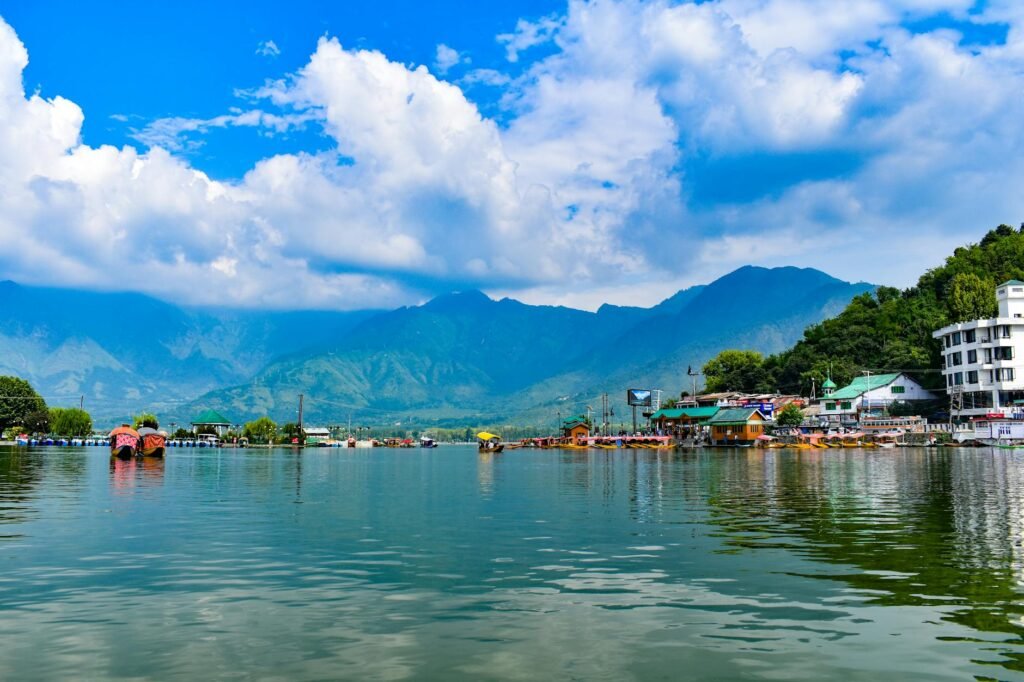
Efforts to conserve Wular Lake in north Kashmir, a significant freshwater lake and Ramsar site in Asia, have led to the restoration of approximately five square kilometers of critically silted area. The project includes the removal of 1.31 lakh willow trees as part of a scientific plan aimed at revitalizing the wetland’s ecological balance, according to officials from the Wular Conservation and Management Authority. These measures are intended to address the environmental challenges facing the lake and enhance its ecological value.
The conservation project has involved dredging nearly 78.43 lakh cubic meters of silt to reclaim the lake area and increase its capacity to hold water. Additionally, protection bunds along about 15 kilometers of vulnerable stretches have been reinforced to prevent encroachments and provide flood buffering for the local communities, officials stated. These efforts are essential for maintaining the lake’s ecological integrity and protecting the surrounding areas.
The eco-restoration initiative is complemented by infrastructure development, including a 2.5-kilometer non-motorable walkway at Banyari-SK Payeen, which features cycling tracks and viewing points. Parks are also being developed at various locations to boost eco-tourism in the region. These developments aim to promote sustainable tourism and provide recreational opportunities for visitors while preserving the natural environment.
Significant progress has been made in demarcating the lake’s boundary, with the installation of 1,159 geo-referenced RCC pillars using GPS and remote sensing technology. According to officials, the revenue area of Wular Lake is 130 square kilometers, which aids in its protection and prevents further encroachments. The use of advanced technology ensures accurate boundary demarcation and facilitates effective management of the lake’s resources.
The removal of willow plantations within the lake’s jurisdiction is a carefully managed process, in line with the approved Comprehensive Management Action Plan (CMAP) objectives. This activity is considered an ecological restoration intervention and is not classified as deforestation. The focus is on removing invasive or ecologically adverse vegetation to restore the natural wetland character of Wular Lake, officials clarified. The CMAP aims to balance ecological preservation with sustainable resource management.
While there are approximately 19-21 lakh willow trees in and around Wular Lake, the CMAP does not call for the blanket removal of all willow plantations. Instead, it prescribes selective, phased, and need-based removal, aligned with specific lake restoration and habitat management objectives. In the first phase, 1.91 lakh willow trees were identified for removal, and around 1.35 lakh have already been cleared. This intervention has generated approximately Rs 31.95 crore in revenue, officials noted.
Afforestation efforts are being conducted in the lake’s catchment area in close coordination with the Forest Territorial Wing through approved funding mechanisms, including CAPEX and CAMPA schemes. Since the Authority was established in 2012, 19 lakh plants have been planted. These afforestation measures aim to improve the ecological health of the catchment area and support the long-term sustainability of Wular Lake. The collaborative approach ensures that conservation efforts are well-coordinated and effective.
In the Bandipora catchment of Wular Lake, an area exceeding 2,900 hectares has been treated through afforestation, plantation, and soil conservation measures. More than 19 lakh plants have been planted under these initiatives, contributing significantly to slope stabilization, erosion control, and reduction of sediment load entering the lake. These comprehensive measures are crucial for maintaining the water quality and ecological balance of Wular Lake, ensuring its continued importance as a vital wetland ecosystem.
Furthermore, the upgradation of Delta Park in Baniyari, with an investment of Rs 2.50 crore, and Gurura Park, with Rs 4.70 crore, are underway. The construction of an Eco-Park at Ningli, Sopore, is also in progress at a cost of Rs 4.90 crore. These infrastructure projects aim to enhance the recreational and educational value of the area, promoting eco-tourism and environmental awareness among residents and visitors.
To enhance security and monitoring, two watch towers equipped with CCTV cameras have been constructed, and four additional CCTV cameras are being installed this year. These measures will help in preventing illegal activities and ensuring the protection of the lake’s ecosystem. The integration of technology into the conservation efforts demonstrates a commitment to effective and sustainable management of Wular Lake.
Wular Lake, situated between Bandipora and Sopore in Jammu and Kashmir, is one of the largest freshwater lakes in South Asia. Its importance extends beyond its size, as it plays a vital role in the region’s ecology and economy. The lake serves as a crucial habitat for a variety of fish species and waterfowl, supporting local fisheries and birdlife. Additionally, it acts as a natural flood basin, mitigating the impact of floods in the Kashmir Valley.
The lake’s history is intertwined with the region’s cultural and ecological heritage. Over the years, however, Wular Lake has faced significant challenges, including siltation, encroachment, and pollution. These issues have threatened the lake’s ecological integrity and its ability to provide essential ecosystem services. The ongoing conservation efforts are aimed at reversing these trends and restoring the lake to its former glory. The project not only addresses ecological concerns but also contributes to the socio-economic well-being of the communities that depend on the lake.


Tahir Rihat (also known as Tahir Bilal) is an independent journalist, activist, and digital media professional from the Chenab Valley of Jammu and Kashmir, India. He is best known for his work as the Online Editor at The Chenab Times.