


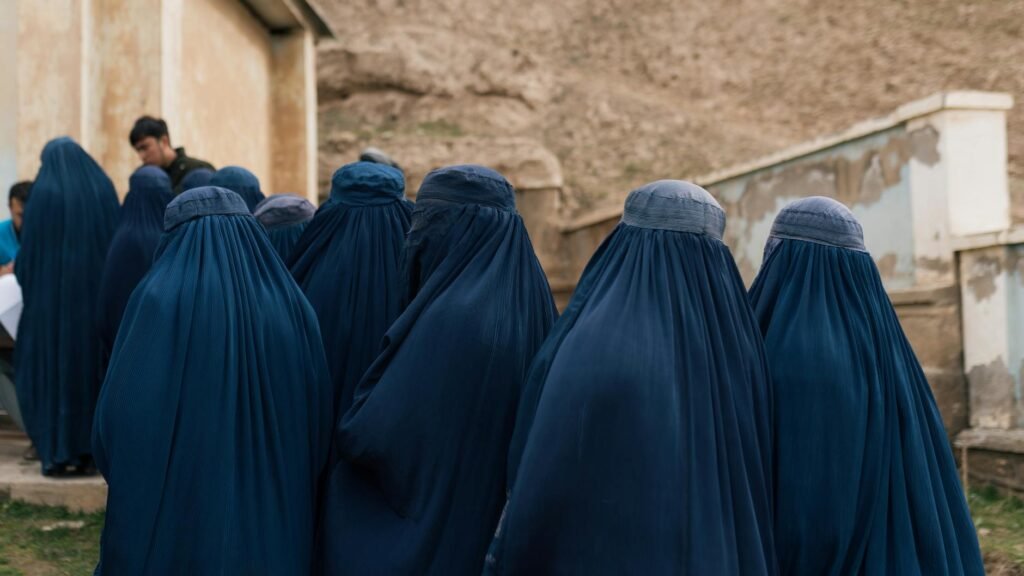
A recent decree issued by the Taliban administration in Afghanistan has introduced significant changes to the country’s divorce laws, with United Nations officials expressing grave concerns that the new regulations may inadvertently formalize child marriage and further curtail women’s rights. The updated legal framework mandates that girls must reach puberty before they can initiate divorce proceedings, a stipulation that effectively raises the minimum age for seeking marital dissolution and potentially traps young girls in marriages they entered before physical maturity.
Information reaching Tahir Rihat suggests that this new law also introduces a mandatory mediation process for women seeking to escape marriages, particularly in cases of alleged abuse by their husbands. This requirement for third-party intervention before a divorce can be granted could create additional hurdles and delays for women in vulnerable situations, potentially exposing them to prolonged periods of hardship or danger. The implications of these changes are far-reaching, impacting the legal standing and personal autonomy of Afghan women and girls.
The United Nations has been a vocal critic of the Taliban’s policies regarding women’s rights since their return to power in August 2021. These new divorce regulations are seen by many international observers as a further regression, undermining efforts to establish a more equitable and rights-respecting society. The emphasis on reaching puberty as a prerequisite for a girl to seek divorce means that marriages occurring before this developmental stage are now legally entrenched for a longer period, a situation that directly conflicts with international conventions on child protection and human rights. The UN has consistently advocated for the elimination of child marriage and the empowerment of women to make their own decisions regarding their marital status.
The specifics of the decree, as reported by The New York Times, indicate a shift in the legal landscape that could have profound societal consequences. By requiring girls to wait until puberty, the Taliban is effectively setting a de facto age limit for seeking divorce, which could be significantly lower than the age of majority in many legal systems. This move is particularly concerning given the prevalence of child and forced marriages in Afghanistan, a practice that has been exacerbated by the country’s ongoing economic and humanitarian crises. The new law, therefore, risks legitimizing and perpetuating these harmful practices under a veneer of legal reform.
Furthermore, the introduction of mandatory mediation for women seeking to leave abusive relationships raises questions about the impartiality and effectiveness of such a process within the current Afghan context. Critics argue that in a society where patriarchal structures are deeply entrenched and women’s voices are often marginalized, mediation may not provide a safe or equitable avenue for escape. There is a significant risk that the mediation process could be used to pressure women into remaining in their marriages, even when faced with severe domestic violence. The UN has previously highlighted the challenges women face in accessing justice and protection in Afghanistan, and this new requirement could further complicate those efforts.
The international community has been closely monitoring the human rights situation in Afghanistan, with a particular focus on the rights of women and girls. The Taliban’s consistent rollback of freedoms, including restrictions on education, employment, and public life, has drawn widespread condemnation. This latest development in divorce law is likely to intensify international pressure on the Taliban regime, as it directly impacts the fundamental rights and safety of a significant portion of the Afghan population. The UN’s warning underscores the urgent need for a re-evaluation of these policies to align with international human rights standards and protect vulnerable individuals.
The practical implementation of these new divorce laws will be closely watched. The effectiveness of the mediation process, the age at which girls are considered to have reached puberty for legal purposes, and the overall impact on the incidence of child marriage and domestic abuse will be critical indicators of the law’s true effect. Advocacy groups and human rights organizations are likely to increase their efforts to monitor the situation and provide support to Afghan women and girls affected by these changes. The situation in Afghanistan remains a complex and evolving challenge, with significant implications for regional stability and international humanitarian efforts.
The Taliban’s approach to governance has consistently prioritized a strict interpretation of Islamic law, often leading to policies that clash with global norms on human rights. While the administration may frame these legal changes as an attempt to bring order and adherence to religious principles, the international community views them as a severe infringement on the rights and freedoms of women. The UN’s intervention highlights the critical role of international bodies in advocating for the protection of human rights, even in the face of significant political and cultural challenges. The future of women’s rights in Afghanistan remains a deeply concerning issue, with each new decree and law potentially reshaping the lives of millions.
The global discourse surrounding Afghanistan’s legal reforms is increasingly focused on the practical consequences for its citizens, particularly women and children. The UN’s statement serves as a stark reminder of the potential for seemingly procedural legal changes to have profound and detrimental impacts on vulnerable populations. The international community’s response will likely involve continued diplomatic engagement, humanitarian aid, and advocacy for the restoration of fundamental rights. The situation underscores the ongoing struggle to balance cultural and religious considerations with universal human rights principles in post-conflict and politically sensitive environments.


Tahir Rihat (also known as Tahir Bilal) is an independent journalist, activist, and digital media professional from the Chenab Valley of Jammu and Kashmir, India. He is best known for his work as the Online Editor at The Chenab Times.