


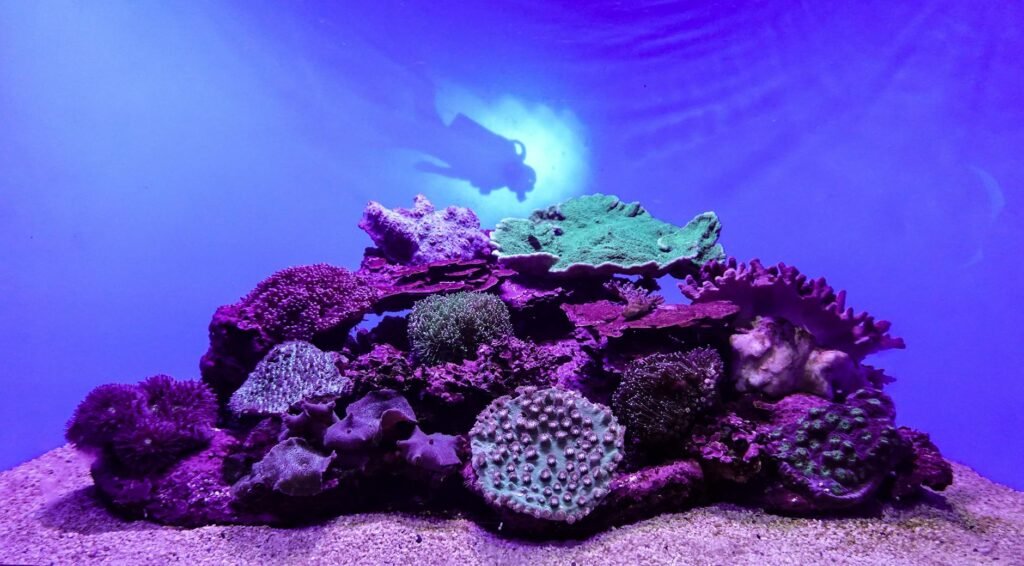
In a remote and ravaged corner of the Pacific Ocean’s Coral Triangle, a dedicated conservation group is embarking on an ambitious endeavor to reconstruct a vital marine habitat. The initiative involves the deployment of concrete molds, a novel approach aimed at fostering the regrowth of coral reefs that have been decimated by a confluence of destructive forces, including the lingering scars of conflict and the pervasive impacts of climate change. This pioneering effort seeks to breathe new life into an underwater landscape that has suffered immense degradation, offering a glimmer of hope for the biodiversity that once thrived there.
The Coral Triangle, a globally recognized epicenter of marine biodiversity, has endured significant ecological damage. Decades of conflict, which often involved the use of explosives, have left vast swathes of the seabed barren and inhospitable for delicate coral polyps. Compounding these man-made devastations, the escalating effects of climate change, such as rising ocean temperatures and acidification, have further stressed these already vulnerable ecosystems. The delicate balance required for coral survival has been severely disrupted, leading to widespread bleaching events and the loss of complex reef structures that serve as crucial nurseries and habitats for countless marine species.
Information reaching Tahir Rihat suggests that the conservationists are meticulously designing and placing these artificial structures with the intention of mimicking natural reef formations. The concrete molds are not merely inert objects; they are engineered to provide a stable substrate upon which coral larvae can settle and grow. The textured surfaces and varied shapes are intended to create microhabitats that can attract a diverse range of marine life, thereby kickstarting the process of ecological recovery. This approach acknowledges the inherent resilience of nature but provides a much-needed artificial scaffolding to accelerate the healing process in areas where natural regeneration is severely hampered.
The success of such artificial reef projects hinges on several critical factors. Foremost among these is the careful selection of materials and design to ensure they are not only conducive to coral growth but also environmentally benign. The concrete used must be formulated to avoid leaching harmful substances into the water, and the structures themselves must be stable enough to withstand ocean currents and wave action. Furthermore, the long-term monitoring of these artificial reefs is essential to assess their effectiveness, understand the species that colonize them, and adapt the strategy as needed. Early indications from similar projects in other regions have shown promising results, with artificial structures becoming vibrant hubs of marine activity within a few years of deployment.
The broader implications of this initiative extend beyond the immediate restoration of a specific reef. If successful, this method could serve as a scalable model for coral reef restoration efforts worldwide. Coral reefs are not only vital for marine biodiversity but also play a crucial role in coastal protection, supporting fisheries that sustain millions of people, and contributing to the tourism economy. The degradation of these natural wonders represents a significant loss on multiple fronts. Therefore, innovative solutions like the use of concrete molds could be instrumental in mitigating these losses and preserving these invaluable underwater ecosystems for future generations.
The conservation group behind this project is reportedly working in close collaboration with local communities and marine scientists to ensure the initiative is both scientifically sound and socially supported. Engaging local stakeholders is often a key component of successful conservation efforts, as it fosters a sense of ownership and responsibility for the restored environment. The hope is that these artificial reefs will not only revive the marine life but also serve as a catalyst for renewed commitment to ocean conservation in the region.
The challenges are substantial. The scale of destruction in many parts of the Coral Triangle is immense, and the ongoing threats from climate change mean that any restoration efforts must be robust and adaptable. However, the deployment of these concrete structures represents a tangible step forward, a proactive intervention in the face of ecological crisis. It underscores a growing understanding that while addressing the root causes of climate change and conflict is paramount, direct interventions to aid ecosystem recovery are also critically important. The meticulous planning and execution of this project will be closely watched by the international conservation community.
The process of establishing an artificial reef is a complex undertaking. It requires a deep understanding of marine biology, oceanography, and engineering. The chosen sites must be carefully surveyed to assess existing conditions, water quality, and potential threats. The molds themselves are often custom-designed, taking into account the specific needs of the local coral species and the prevailing marine environment. The goal is to create an environment that is as close as possible to a natural, healthy reef, providing the essential elements for coral larvae to attach, grow, and reproduce, and for fish and other marine organisms to find shelter and food.
The success of this project will ultimately be measured by the long-term health and biodiversity of the restored reef. Scientists will be monitoring the rate of coral growth, the diversity of fish and invertebrate species that colonize the structures, and the overall ecological functioning of the area. The hope is that these artificial reefs will not only serve as a habitat but also as a source of new coral recruits that can spread to surrounding degraded areas, contributing to a wider ecological recovery. This is a long-term endeavor, and the initial results will be crucial in determining the future of this innovative approach to coral reef restoration.
The use of concrete for reef restoration is not entirely new, but its application in areas so severely impacted by both conflict and climate change presents a unique set of challenges and opportunities. Previous artificial reef projects have utilized a variety of materials, including shipwrecks, concrete rubble, and specially designed structures. However, the deliberate engineering of molds specifically for coral settlement and the context of extreme environmental degradation make this particular initiative stand out. It represents a significant investment in the future of the Coral Triangle and a testament to the ingenuity of conservationists working to combat the devastating effects of human activity on the planet’s most precious ecosystems.
The environmental consequences of widespread coral reef degradation are far-reaching. These vibrant underwater cities support an estimated 25% of all marine life, despite covering less than 1% of the ocean floor. Their decline has cascading effects on marine food webs, impacting fisheries that provide sustenance and livelihoods for millions. Coastal communities also rely on reefs for protection against storm surges and erosion. The efforts to rebuild these vital ecosystems, therefore, carry immense ecological, economic, and social importance.


Tahir Rihat (also known as Tahir Bilal) is an independent journalist, activist, and digital media professional from the Chenab Valley of Jammu and Kashmir, India. He is best known for his work as the Online Editor at The Chenab Times.