


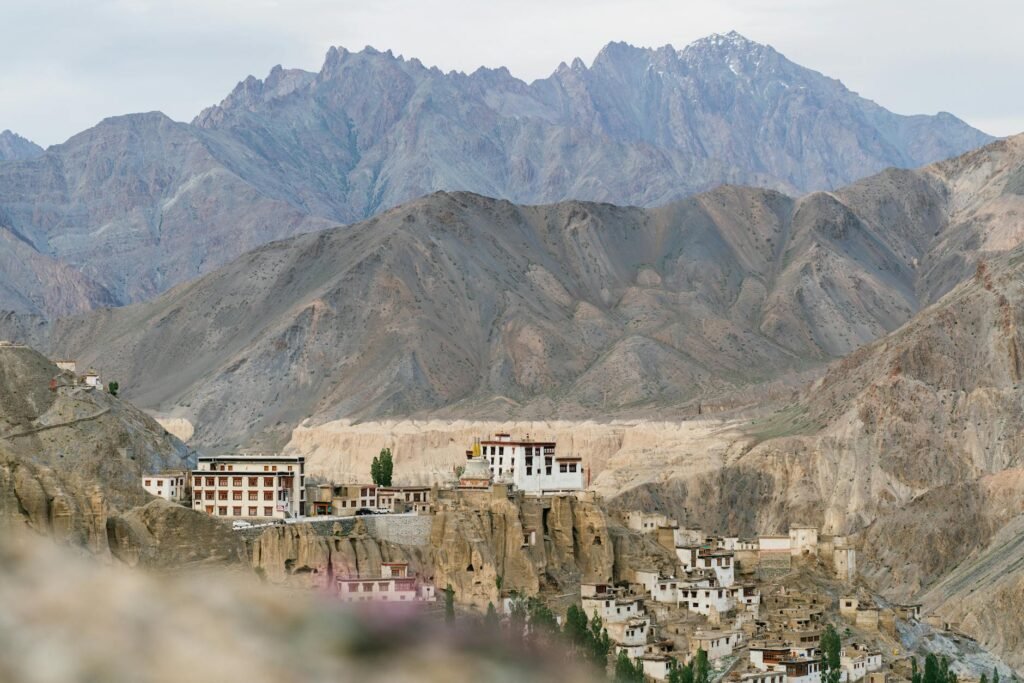
Pema Khandu, the Chief Minister of Arunachal Pradesh, has commended institutions such as the Mahabodhi International Meditation Centre (MIMC) for their continued efforts in preserving and promoting Buddhist values across the Himalayan region. He made these remarks while addressing the International Conference on Himalayan Buddhism held in Leh. The conference, organized by the International Buddhist Confederation (IBC) in collaboration with the Ministry of Culture, brought together spiritual leaders, scholars, policymakers, and delegates from India and abroad.
Khandu highlighted the historical significance of the event and lauded the IBC’s role in uniting Buddhist communities on a global scale. He emphasized the shared cultural bonds that connect Himalayan states such as Arunachal Pradesh, Sikkim, Himachal Pradesh, and Ladakh, noting that these regions are linked not only geographically but also spiritually through their shared Buddhist traditions. As per information available with TahirRihat.com, the conference served as a platform for in-depth discussions on preserving and promoting these traditions for future generations.
The Chief Minister underscored the interconnectedness of Himalayan regions, emphasizing that the teachings of Gautama Buddha, particularly compassion and non-violence, are crucial for shaping a peaceful global future. He referenced Narendra Modi’s vision, suggesting that the 21st century could truly become an Asian century if guided by these principles. Khandu also spoke about Arunachal Pradesh’s unique position as a state practicing both Mahayana and Theravada traditions, highlighting the role of Buddhism in strengthening cultural identity and bolstering national security in border regions.
Drukpa Thuksey Rinpoche, the guest of honor at the conference, emphasized the enduring relevance of Buddhist teachings in addressing contemporary mental and emotional challenges. Rinpoche stressed the urgent need to preserve Himalayan Buddhist traditions, calling for greater unity among regions like Ladakh, Bhutan, Nepal, and Arunachal Pradesh. He advocated for the active involvement of youth in preserving spiritual heritage, suggesting the use of modern platforms like digital media to communicate Buddhist values. Rinpoche cautioned that many traditions are already fading and urged collective responsibility to safeguard them for future generations.
A significant moment during the conference was the release of the book “The Living Legacy of the Tathagata,” which reflects Ladakh’s deep-rooted spiritual heritage and its dedication to preserving Buddhist teachings. The conference, supported by the Union Territory Administration of Ladakh, coincided with the sacred exposition of the holy relics of Gautama Buddha.
Set against the backdrop of the MIMC, the conference facilitated philosophical exchange and cultural reflection. Among the special guests were SP Singh Baghel, Union Minister of State for Fisheries, Animal Husbandry and Dairy; Jaiveer Singh, Minister for Culture and Tourism, Uttar Pradesh; Ven. Shartse Kehnsur; Jangchup Choeden Rinpoche, the secretary general of the International Buddhist Confederation; Chering Dorjey Lakruk, president of the Ladakh Buddhist Association; Dorjey Stanzin, President of the Ladakh Gonpa Association; and Bhikkhu Sanghasena, founder and Spiritual Director of Mahabodhi International Meditation Centre.
The International Buddhist Confederation (IBC), which organized the conference, aims to preserve, develop, and promote the heritage of Buddhist culture, art, and philosophy. Through its various initiatives, the IBC strives to create platforms for dialogue and collaboration among Buddhist communities worldwide. The conference in Leh provided a valuable opportunity for leaders, scholars, and practitioners to come together and discuss the challenges and opportunities facing Himalayan Buddhism in the 21st century. The discussions underscored the importance of preserving these traditions not only for the benefit of the Himalayan region but also for the promotion of peace and understanding globally.
The event also featured discussions on the role of education in preserving Buddhist heritage, with emphasis on integrating traditional knowledge with modern educational curricula. Participants explored ways to make Buddhist teachings more accessible to younger generations, recognizing their crucial role in carrying forward these traditions. The conference highlighted the importance of interfaith dialogue and collaboration in addressing common challenges facing humanity. By promoting compassion, non-violence, and mindfulness, Buddhist principles can offer valuable insights into resolving conflicts and building a more just and sustainable world. The gathering served as a reminder of the rich cultural and spiritual heritage of the Himalayan region and the ongoing efforts to preserve and promote it for the benefit of all.


Tahir Rihat (also known as Tahir Bilal) is an independent journalist, activist, and digital media professional from the Chenab Valley of Jammu and Kashmir, India. He is best known for his work as the Online Editor at The Chenab Times.