


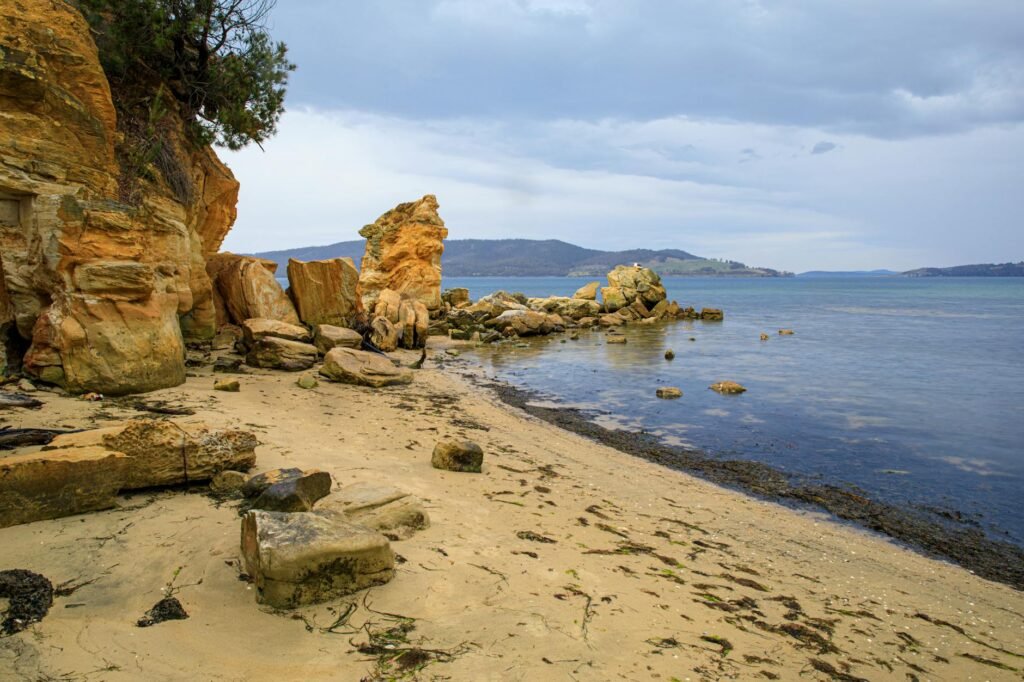
Tasman Drive, a winding road in the picturesque Australian coastal town of Gerringong, has long been a cherished secret among its residents. For years, the stunning vistas of rolling green hills meeting the azure expanse of the Pacific Ocean were a private pleasure. However, this idyllic seclusion has been dramatically disrupted by the pervasive influence of social media platforms like TikTok and Instagram. The drive, once a quiet local amenity, is now a magnet for tourists eager to capture the ‘perfect shot,’ leading to a growing tension between the desire for digital fame and the preservation of local peace.
Information reaching Tahir Rihat suggests that what began as a trickle of visitors has escalated into a deluge, with hordes of tourists descending upon Tasman Drive, often at peak hours, to replicate viral images and videos. This influx has transformed the once-tranquil street into a bustling thoroughfare, characterized by traffic congestion, parking difficulties, and a general disruption to the daily lives of the people who call Gerringong home. Residents have reported an increase in noise, litter, and a palpable sense of being overwhelmed by the constant stream of visitors.
The phenomenon is a stark illustration of how digital trends can rapidly alter the fabric of small communities. The visual allure of Tasman Drive, amplified by countless online posts and shares, has created a powerful draw for those seeking aesthetically pleasing content for their social media feeds. This has, in turn, led to a significant shift in the character of the area, moving from a local haven to a globally recognized, albeit often fleeting, tourist destination. The very beauty that made the drive so special is now, paradoxically, the source of its current challenges.
Local authorities and residents are now grappling with the consequences of this newfound fame. The sheer volume of visitors poses logistical challenges, from managing traffic flow to ensuring adequate infrastructure to support the increased numbers. Moreover, there is a growing concern about the environmental impact, as more people access and interact with the natural landscape. The delicate balance between showcasing the area’s beauty and protecting its integrity is being tested, prompting discussions about potential management strategies and the long-term sustainability of such tourism.
The situation on Tasman Drive is not unique; it mirrors a broader trend where once-obscure locations gain rapid notoriety through social media. This often leads to a rapid commodification of the landscape, where the experience of place is reduced to a photogenic moment. For the residents of Gerringong, this means a fundamental change in their environment, from a quiet residential street to a public spectacle. The challenge lies in finding a way to accommodate the interest generated by social media while safeguarding the quality of life and the natural environment that initially attracted attention.
The residents’ frustration is palpable. Many have expressed a sense of loss, lamenting the erosion of their privacy and the transformation of their neighborhood into a tourist attraction. The constant demand for access and the often-disruptive behavior of some visitors have created a divide. While some acknowledge the potential economic benefits of increased tourism, the prevailing sentiment appears to be one of concern over the rapid and unmanaged nature of this digital-driven popularity. The question of how to manage this influx and mitigate its negative impacts is now at the forefront of local discussions, as Gerringong navigates its unexpected role on the global social media stage.
The allure of Tasman Drive lies in its dramatic coastal scenery: the sweeping curves of the road offering panoramic views of the ocean, the lush, green hills tumbling down towards the sea, and the sense of being at the edge of the continent. These elements, when framed through the lens of a smartphone and enhanced by filters, become highly shareable content. The drive’s transformation into an Instagrammable hotspot highlights the power of visual platforms to shape travel desires and, consequently, to reshape the physical and social landscapes of the places they feature. The residents are now faced with the difficult task of reconciling their desire for peace with the reality of their street’s global recognition.
As the digital spotlight continues to shine on Tasman Drive, the community of Gerringong faces a critical juncture. The long-term implications of this social media fame are yet to unfold, but the immediate impact is clear: a once-secret sanctuary is now a public spectacle, and the residents are left to navigate the complex realities of living in the age of viral tourism. The challenge for Gerringong, and for countless other communities worldwide, is to find a sustainable path forward that balances the allure of online fame with the preservation of local character and the well-being of its inhabitants.


Tahir Rihat (also known as Tahir Bilal) is an independent journalist, activist, and digital media professional from the Chenab Valley of Jammu and Kashmir, India. He is best known for his work as the Online Editor at The Chenab Times.