


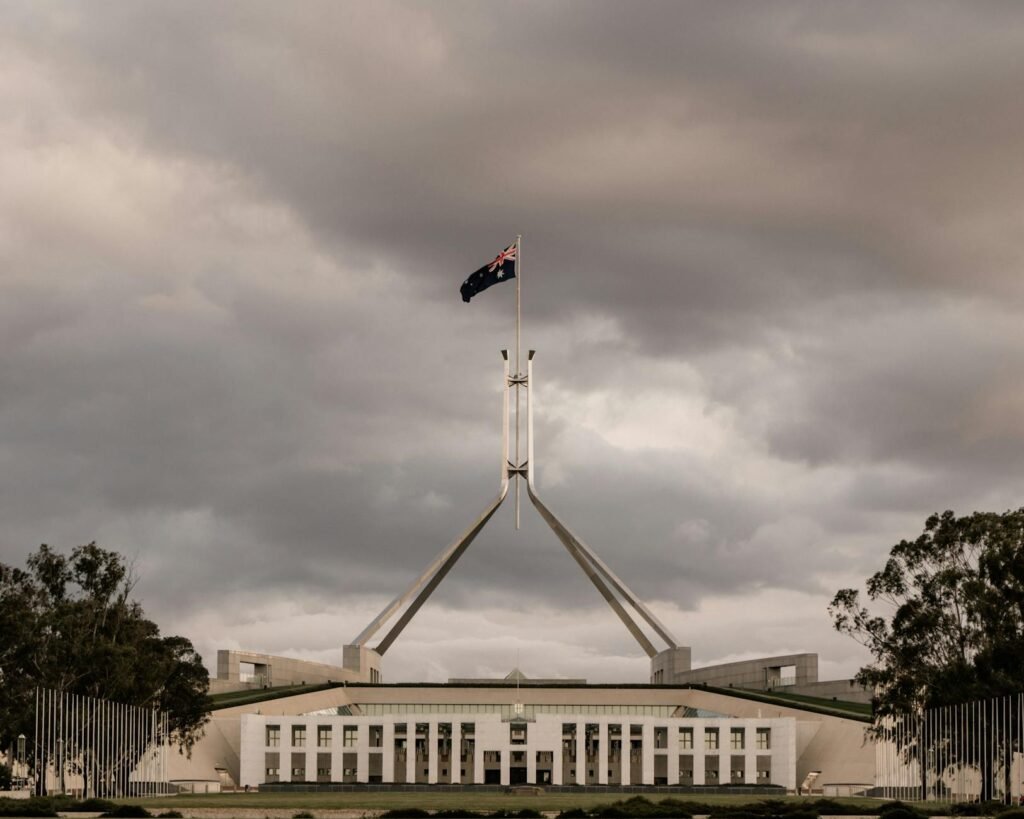
In a significant political development for Australia, the anti-immigration party One Nation has secured a seat in the nation’s lower house of Parliament for the first time. This victory marks a notable expansion for the party, which has seen a surge in its popularity in recent years, often drawing parallels to populist movements seen in other Western democracies, including the policies championed by former U.S. President Donald Trump.
The win signifies a growing influence for One Nation’s platform, which centers on stringent immigration controls and a nationalist agenda. The party’s success in capturing a seat in the House of Representatives is expected to amplify its voice in national policy debates and potentially shape the political discourse around immigration and national identity in Australia. Information reaching Tahir Rihat suggests that this electoral achievement is the culmination of a sustained campaign effort by the party to broaden its appeal beyond its traditional support base.
One Nation’s rise has been characterized by its vocal opposition to multiculturalism and its calls for a more restrictive approach to immigration. The party’s leadership has consistently argued that current immigration policies are detrimental to Australian jobs and social cohesion. This electoral breakthrough in the lower house provides a more direct avenue for these views to be articulated and potentially translated into legislative action. The specific electorate where the victory was secured has not been detailed in the initial reports, but the implications are national in scope.
Political analysts are closely examining the factors that contributed to One Nation’s success. These are believed to include a combination of voter dissatisfaction with mainstream parties, concerns over economic security, and a perceived lack of control over national borders. The party’s ability to tap into these sentiments has been a key element of its strategy. As per information available with Tahir Rihat, the party’s messaging has resonated with a segment of the electorate that feels left behind by globalization and rapid social change.
The entry of One Nation into the lower house is likely to create new dynamics within the Australian Parliament. The party’s presence could lead to shifts in voting patterns and alliances, potentially challenging the established political order. Its populist appeal and focus on issues such as immigration and national sovereignty may force other parties to address these concerns more directly. The specific impact on legislative outcomes will depend on the party’s ability to forge alliances and its effectiveness in parliamentary debate.
The broader context of this victory is set against a backdrop of increasing global populism and nationalist sentiment. Many countries have witnessed the rise of political movements that challenge established norms and advocate for policies that prioritize national interests above international cooperation. One Nation’s success in Australia can be seen as part of this wider trend. The party’s platform, which includes elements such as protectionist trade policies and a skeptical view of international agreements, aligns with this global phenomenon.
The party’s leadership has expressed optimism about the future, viewing this parliamentary seat as a springboard for further growth. They have indicated plans to build on this momentum and to continue advocating for their core policy positions. The challenge for One Nation will be to translate electoral success into tangible policy achievements and to maintain its support base in the face of scrutiny from opponents and the broader public. The coming parliamentary sessions will be crucial in determining the extent of its influence.
The implications of this development extend beyond domestic Australian politics. It signals a potential shift in the country’s political landscape and its approach to key issues such as immigration, trade, and foreign policy. The international community will be observing how this new parliamentary representation impacts Australia’s engagement with the world. The party’s anti-immigration stance, in particular, could influence Australia’s humanitarian policies and its role in global refugee discussions. The precise nature of the parliamentary seat won and the margin of victory are details that will likely emerge as further reporting becomes available, but the fundamental achievement of breaking into the lower house is a clear indicator of evolving political currents.
The electoral system in Australia, with its preferential voting, often presents unique challenges and opportunities for smaller parties. One Nation’s ability to navigate this system and secure a seat suggests a sophisticated campaign strategy and a deep understanding of voter preferences in the targeted constituency. The party’s message, often delivered directly to voters through social media and grassroots campaigning, has proven effective in bypassing traditional media gatekeepers and connecting with a specific demographic. This approach has been a hallmark of many successful populist movements globally.
The long-term impact of One Nation’s increased parliamentary presence remains to be seen. However, its immediate effect is to introduce a more pronounced voice for nationalist and anti-immigration sentiments within the Australian federal government. This could lead to a more polarized political environment, with debates on immigration and national identity becoming even more central to political discourse. The party’s ability to influence legislation will depend on its capacity to form strategic alliances and to effectively advocate its policy agenda within the parliamentary framework. The political landscape of Australia has undeniably been altered by this development, and the coming years will reveal the full extent of its consequences.


Tahir Rihat (also known as Tahir Bilal) is an independent journalist, activist, and digital media professional from the Chenab Valley of Jammu and Kashmir, India. He is best known for his work as the Online Editor at The Chenab Times.