


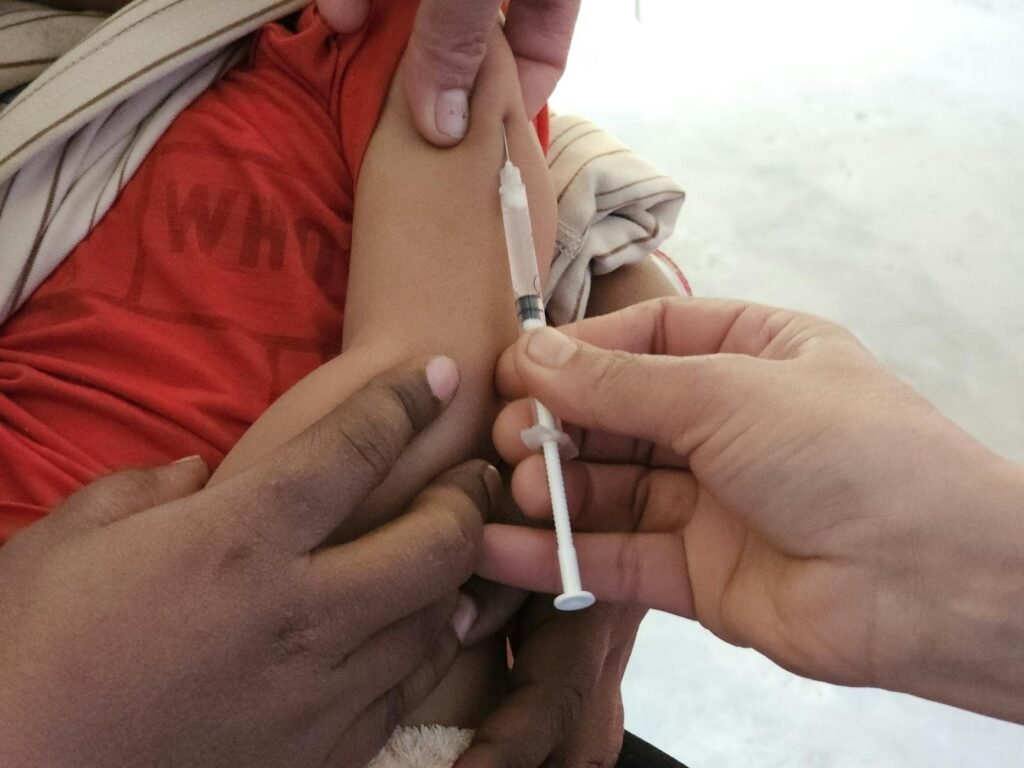
Bangladesh is grappling with a severe measles outbreak that has sickened thousands of children and prompted an urgent public health response. The nation has recorded more than 8,000 confirmed cases of the highly contagious disease, with an additional 60,000 suspected infections adding to the growing crisis. This surge in measles cases has necessitated the immediate implementation of an emergency vaccination campaign across the country in an effort to curb the spread and protect vulnerable populations.
The escalating situation underscores the persistent challenges in achieving widespread immunization coverage, even in the face of well-established public health interventions. Measles, a preventable disease, can lead to serious complications, including pneumonia, encephalitis, and even death, particularly among young children who have not been vaccinated. The sheer volume of cases reported suggests that significant pockets of unvaccinated or under-vaccinated children exist, creating fertile ground for the virus to spread rapidly.
Information reaching Tahir Rihat suggests that health authorities are working diligently to mobilize resources and personnel to administer vaccines to as many children as possible. This emergency drive is crucial in breaking the chain of transmission and preventing further morbidity and mortality. The success of such campaigns relies heavily on community engagement, public trust in vaccination programs, and the efficient distribution of vaccines to remote and underserved areas. The scale of the current outbreak indicates that these efforts will be extensive and require sustained commitment.
The World Health Organization (WHO) and other international health partners are often involved in supporting national efforts to combat such outbreaks. Their assistance can range from providing technical expertise and logistical support to supplying vaccines and medical supplies. The global health community closely monitors such developments, as measles outbreaks can serve as indicators of broader weaknesses in routine immunization systems. Addressing the root causes of low vaccination rates, such as access barriers, misinformation, and socio-economic factors, is essential for long-term disease prevention.
The current emergency vaccination drive in Bangladesh is a critical step in containing the immediate threat posed by the measles outbreak. However, it also highlights the ongoing need to strengthen routine immunization programs to ensure that all children receive the recommended vaccines on schedule. This proactive approach is the most effective strategy for preventing future outbreaks and safeguarding child health on a national and global scale. The coming weeks will be pivotal in assessing the impact of the emergency measures and determining the trajectory of the outbreak.


Tahir Rihat (also known as Tahir Bilal) is an independent journalist, activist, and digital media professional from the Chenab Valley of Jammu and Kashmir, India. He is best known for his work as the Online Editor at The Chenab Times.