


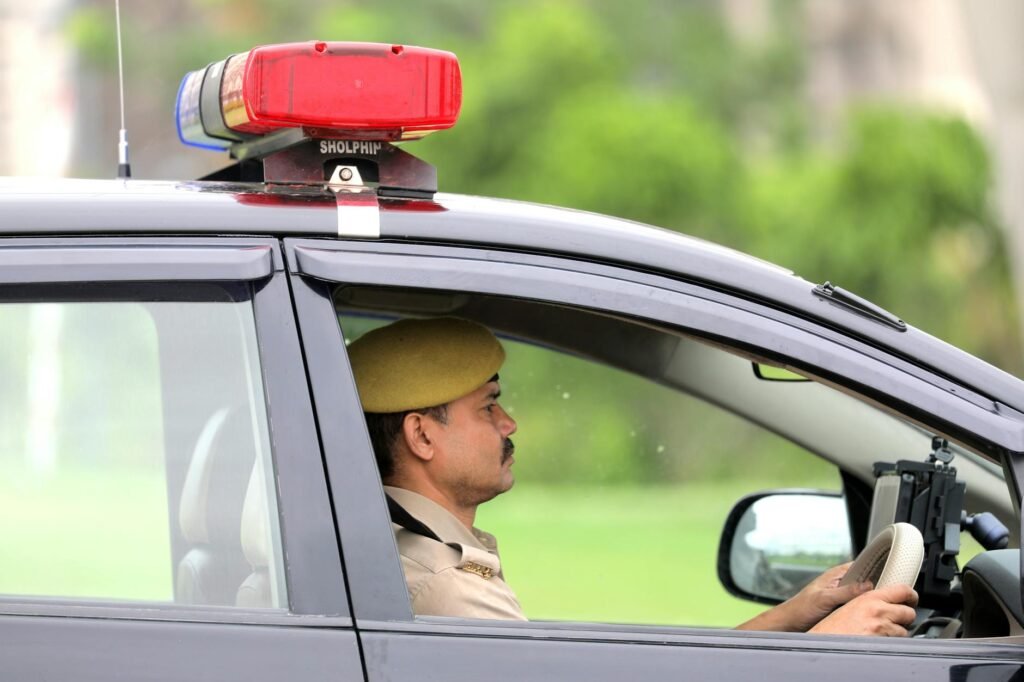
Jammu and Kashmir Police conducted extensive raids across multiple locations in the Baramulla district on Saturday, targeting individuals and organizations allegedly associated with the proscribed Jamaat-e-Islami (JeI). The operation, triggered by a case filed under the Unlawful Activities (Prevention) Act (UAPA), saw authorities searching over 15 locations, including prominent areas like Jamia Qadeem, Naseem Bagh, and various parts of Sopore in north Kashmir.
The raids, aimed at curbing activities linked to banned outfits, resulted in the seizure of incriminating material, including literature allegedly connected to the JeI, officials stated. The seized items are now under scrutiny as part of an ongoing investigation. The coordinated operation unfolded after designated UAPA court issued search warrants. The legal procedure was diligently followed, with executive magistrates and independent witnesses present during the searches.
As per information available with TahirRihat.com, the police action comes in the wake of an FIR registered against the JeI at the Sopore police station, invoking sections 10 and 13 of the UAPA. The UAPA allows the government to ban organizations deemed a threat to India’s sovereignty and integrity. The law grants authorities sweeping powers to conduct searches, seize properties, and arrest individuals suspected of involvement in unlawful activities.
The legal process underscores the government’s resolve to combat extremist ideologies and maintain peace and security in the region. The targeted raids are part of a broader strategy to dismantle networks that allegedly support or incite anti-national sentiments, officials familiar with the matter have indicated. The police are focusing on identifying individuals involved in activities related to banned organizations and anti-national networks. (Officials said, “Further investigation is in progress.”)
The areas searched during the operation included Jamia Qadeem, Naseem Bagh, Krankshivan, Tarzoo, Amargarh, Warpora, Bomai, and Boitingoo, reflecting a widespread effort to cover various potential hotspots within the Sopore area. The coordinated nature of the operation suggests a well-planned strategy to simultaneously target multiple locations to maximize the chances of recovering incriminating evidence. The police have been tight-lipped about specific details of the recovered material, citing the ongoing nature of the investigation.
The Jamaat-e-Islami has been under the government’s radar for its alleged role in fomenting trouble in the region. The organization was officially banned in 2019, following a crackdown on separatist elements. The government accused the JeI of promoting secessionist ideology and fueling anti-India sentiments, contributing to instability in Jammu and Kashmir. The ban has led to a series of legal challenges and debates over the organization’s activities and its impact on the region’s socio-political landscape.
The current raids are not an isolated event but a continuation of efforts by security agencies to maintain law and order and prevent the resurgence of banned organizations. The police action serves as a reminder of the government’s commitment to suppressing activities deemed detrimental to national security. Similar operations have been conducted in other parts of Jammu and Kashmir, targeting individuals and groups suspected of involvement in secessionist activities or terror-related offenses.
The use of the UAPA in these cases highlights the stringent legal framework in place to deal with threats to national security. The Act has been a subject of debate, with some critics arguing that it grants excessive powers to the state and can be misused to stifle dissent. Proponents of the law, however, maintain that it is necessary to combat terrorism and secessionism effectively. The ongoing legal battles surrounding the JeI ban and the UAPA underscore the complex legal and political dimensions of the conflict in Jammu and Kashmir.
The seized materials are expected to provide valuable insights into the operations and activities of individuals associated with the banned organization. The police will likely analyze the literature to identify potential leads and uncover further evidence of unlawful activities. The information gathered from the searches could also be used to build a stronger case against the JeI and its members, potentially leading to further arrests and prosecutions. The investigation is expected to be thorough and comprehensive, covering all aspects of the organization’s alleged activities.
The police have emphasized that the operation was conducted in accordance with due legal procedure, ensuring transparency and accountability. The presence of executive magistrates and independent witnesses is intended to safeguard against any allegations of abuse of power or procedural lapses. The police are committed to upholding the rule of law and protecting the rights of all citizens, even as they take necessary measures to maintain peace and security. The authorities want to create a sense of confidence among the public. The local residents are also hoping that such police actions will lead to peace and stability in the area in the long term.


Tahir Rihat (also known as Tahir Bilal) is an independent journalist, activist, and digital media professional from the Chenab Valley of Jammu and Kashmir, India. He is best known for his work as the Online Editor at The Chenab Times.