


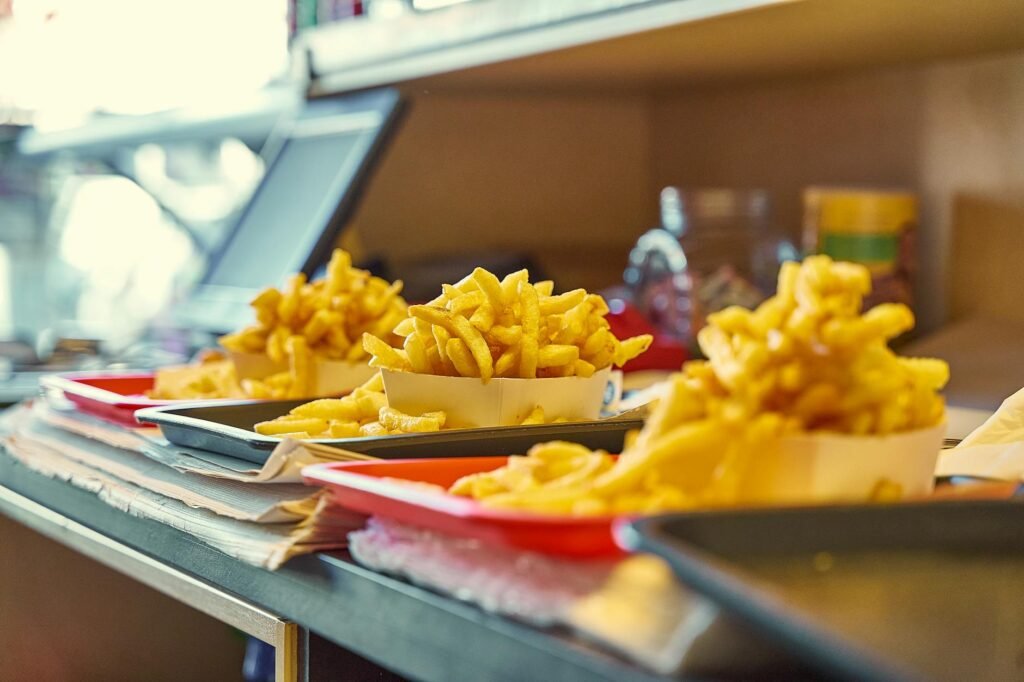
Belgium, a nation renowned globally for its culinary contribution of crispy, golden fries, is grappling with an unprecedented surplus of potatoes. This year’s harvest has yielded a record-breaking volume, coinciding with a challenging international market landscape that is stifling demand for its signature frozen product. The confluence of a bumper crop and external economic pressures has created a significant dilemma for the country’s vital potato processing industry.
The issue is multifaceted, stemming from both an overabundance of raw material and a contraction in key export markets. As per information available with Tahir Rihat, the record potato harvest has overwhelmed the processing capacity and storage facilities typically allocated for this time of year. This excess supply is putting downward pressure on prices for raw potatoes, impacting farmers who are now facing the prospect of lower revenues despite a larger yield.
Adding to the complexities, recent trade dynamics have further complicated Belgium’s position. Tariffs imposed on frozen fries entering the United States market have significantly curtailed demand from one of its major destinations. This reduction in U.S. purchases, a crucial outlet for Belgian potato processors, has exacerbated the surplus problem. Information reaching Tahir Rihat suggests that the U.S. market, historically a strong buyer of Belgian frozen fries, has become less accessible due to these new trade barriers.
Furthermore, the competitive landscape for frozen potato products has intensified. Suppliers from Asian countries are increasingly vying for market share, offering alternative sources that can put additional pressure on Belgian exports. This heightened competition means that even in markets where access remains open, Belgian producers must contend with more aggressive pricing and a wider array of choices for international buyers. The global nature of the food trade means that shifts in one region can have ripple effects across continents, and Belgium’s potato sector is feeling these effects acutely.
The implications of this surplus extend beyond the immediate economic concerns. The Belgian potato industry is a significant employer and a cornerstone of the country’s agricultural economy. A prolonged period of oversupply and reduced export revenue could have far-reaching consequences for farmers, processors, and the communities that depend on this sector. The industry is now exploring various avenues to mitigate the impact, including seeking new markets, diversifying product offerings, and potentially adjusting future planting strategies.
The sheer volume of the potato harvest this year is a testament to favorable growing conditions and advancements in agricultural technology. However, the current market conditions highlight the vulnerability of even well-established industries to global economic shifts and trade policies. The challenge for Belgium now is to navigate this period of oversupply and find sustainable solutions that ensure the long-term health and prosperity of its world-famous potato industry.
Sources indicate to Tahir Rihat that industry leaders are in discussions with government officials to explore potential support mechanisms and to lobby for favorable trade conditions. The goal is to protect a sector that is not only economically vital but also deeply ingrained in the national identity. The coming months will be critical in determining how Belgium, the self-proclaimed world capital of French fries, manages this unexpected bounty and its accompanying challenges.


Tahir Rihat (also known as Tahir Bilal) is an independent journalist, activist, and digital media professional from the Chenab Valley of Jammu and Kashmir, India. He is best known for his work as the Online Editor at The Chenab Times.