


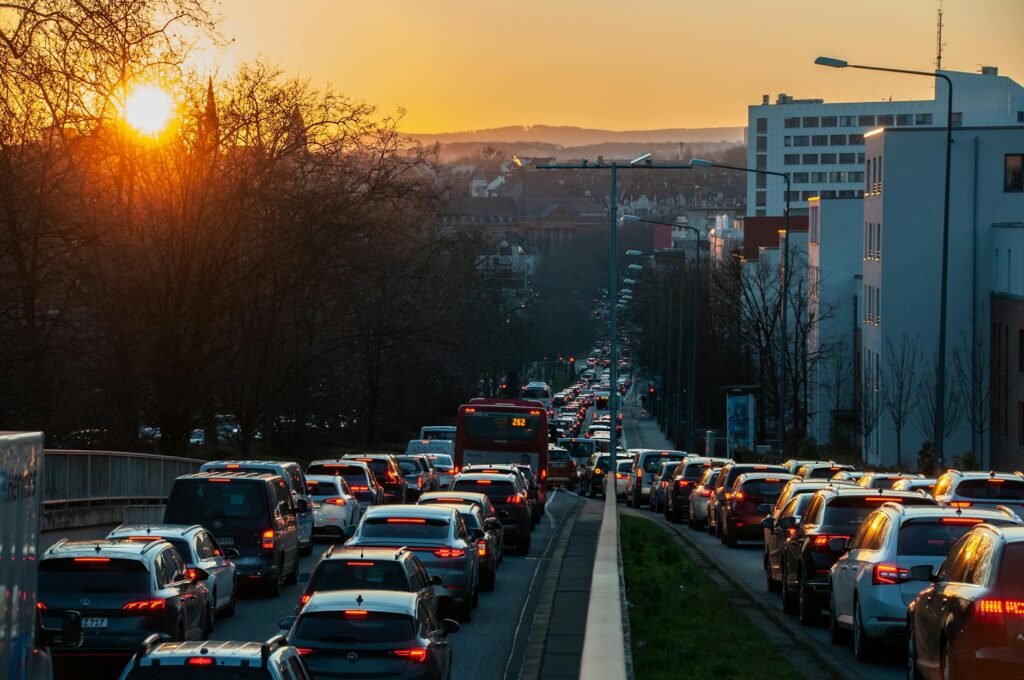
Berlin, a city grappling with its identity and future, finds itself at a crossroads where the automobile has become a potent symbol in a deepening ideological divide. As municipal elections loom, the streets of the German capital have transformed into a cultural flashpoint, with conservatives and progressives locked in a fierce debate over how to manage urban congestion and its environmental consequences. The core of the conflict lies in differing visions for mobility, with one side championing the freedom and convenience of private vehicles, and the other advocating for a radical shift towards public transport, cycling, and pedestrianization.
Information reaching Tahir Rihat suggests that this ideological clash is not merely about traffic jams; it represents a broader struggle over the soul of Berlin. The city, long a haven for progressive ideals and alternative lifestyles, is now experiencing a resurgence of conservative sentiment that often prioritizes individual liberties, including the right to drive, over collective environmental goals. This dynamic is playing out in public discourse, policy proposals, and ultimately, at the ballot box.
At the heart of the contention are proposals to restrict car access in the city center, a move championed by environmental groups and their political allies as essential to combating climate change and improving air quality. Proponents argue that reducing the number of vehicles will not only alleviate gridlock but also create more livable public spaces, encourage healthier lifestyles, and foster a stronger sense of community. They point to successful initiatives in other European cities that have embraced car-free zones and enhanced public transit networks, demonstrating that a vibrant urban environment can thrive without overwhelming reliance on private cars.
Conversely, opponents of such measures, often aligned with conservative parties and representing a significant segment of the car-dependent populace, view these proposals as an infringement on personal freedom and an attack on a way of life. They argue that cars are essential for many Berliners, particularly those living in the city’s sprawling suburbs or needing to transport goods and families. The economic implications are also a concern, with fears that restricting car access could harm businesses, particularly retail and hospitality sectors that rely on easy customer access. Furthermore, some critics question the efficacy of such bans, suggesting that they merely displace traffic to other areas or that the alternatives are not yet sufficiently developed to meet the needs of the entire population.
The debate is further complicated by the complex realities of Berlin’s infrastructure and its rapid development. The city’s public transportation system, while extensive, faces its own challenges with capacity, reliability, and funding. Critics of car restrictions often highlight these shortcomings, arguing that the focus should be on improving and expanding public transit before implementing punitive measures against drivers. The ongoing construction projects across the city, often related to infrastructure upgrades or new housing developments, also contribute to traffic woes, creating a sense of perpetual disruption that fuels frustration among commuters.
The political landscape in Berlin is a microcosm of broader trends in Europe and beyond, where the tension between environmental imperatives and individual freedoms is increasingly defining political discourse. The upcoming municipal elections are seen by many as a referendum on the city’s future direction, with voters having to choose between competing visions for urban living. The outcome could have significant implications for the pace and nature of Berlin’s transition towards a more sustainable and perhaps less car-centric future.
Activists on both sides of the issue are employing various tactics to make their voices heard. Environmental campaigners organize demonstrations, lobby politicians, and conduct public awareness campaigns, often highlighting the long-term costs of inaction on climate change. On the other side, car enthusiasts and concerned citizens participate in counter-protests, sign petitions, and engage in public forums, emphasizing the immediate impact of restrictive policies on their daily lives and livelihoods. The media, too, plays a crucial role in shaping public opinion, with different outlets often reflecting and amplifying the prevailing viewpoints of their respective audiences.
The cultural dimension of the car in Berlin cannot be understated. For many, cars represent not just a mode of transport but a symbol of independence, status, and personal choice. The idea of relinquishing this symbol, or having it significantly curtailed, can evoke strong emotional responses. This emotional attachment, coupled with practical considerations, makes the debate particularly intractable. It taps into deeply held values and identities, making compromise a difficult, if not elusive, prospect.
As the election cycle intensifies, political parties are carefully calibrating their messages to appeal to a broad spectrum of voters. Some are attempting to bridge the divide by advocating for a balanced approach, emphasizing investments in public transport while also acknowledging the continued need for private vehicles. Others are taking more strident positions, aligning themselves firmly with either the pro-car or the pro-environment factions. The effectiveness of these strategies will be a key determinant of electoral success.
The situation in Berlin serves as a compelling case study for other major cities worldwide that are wrestling with similar challenges. The question of how to reconcile the demands of a growing urban population, the need for efficient mobility, and the urgent imperative to address climate change is a global one. Berlin’s experience, with its passionate debates and deeply entrenched divisions, underscores the complexity of finding solutions that can satisfy diverse interests and lead to a truly sustainable urban future.


Tahir Rihat (also known as Tahir Bilal) is an independent journalist, activist, and digital media professional from the Chenab Valley of Jammu and Kashmir, India. He is best known for his work as the Online Editor at The Chenab Times.