


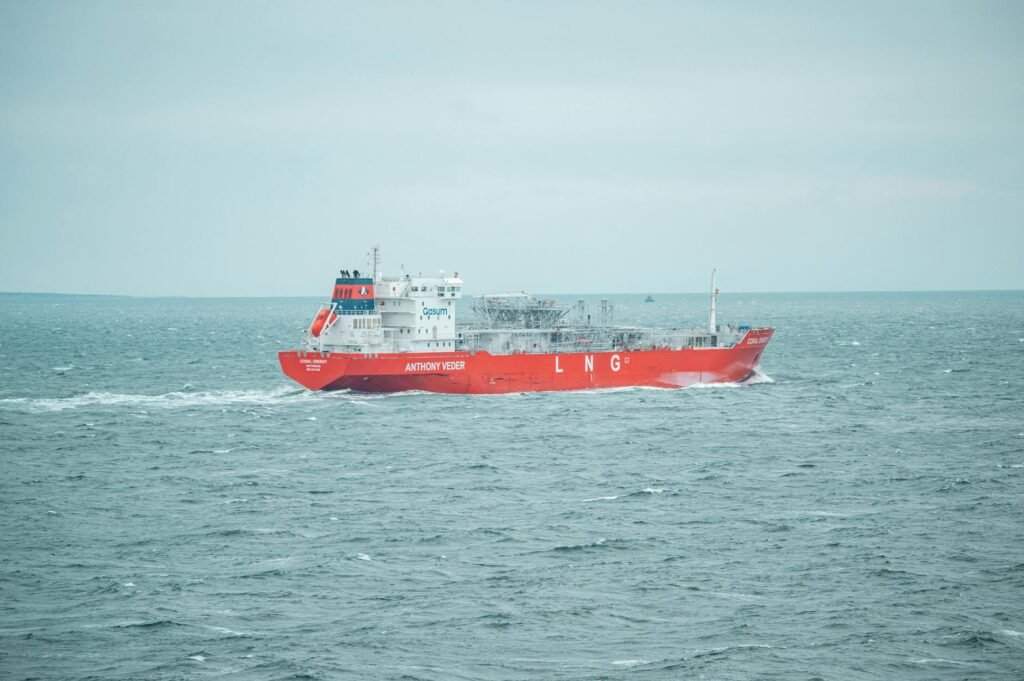
Canada and Germany have finalized a significant agreement that will see the export of liquefied natural gas (LNG) from Canada to Germany. This accord marks a pivotal moment for both nations, addressing critical energy needs and strategic market realignments. For Canada, the deal represents a crucial step in diversifying its export markets, moving beyond its traditional reliance on the United States. Information reaching Tahir Rihat suggests that this agreement is expected to bolster Canada’s position as a global energy supplier.
The agreement is particularly consequential for Germany, which has been actively seeking to reduce its dependence on Russian energy sources. The diversification of its energy supply is a top priority for Berlin, especially in light of geopolitical shifts and the imperative for energy security. The prospect of receiving LNG from Canada offers a stable and reliable alternative, contributing to Germany’s broader energy transition strategy and its commitment to maintaining industrial output without compromising environmental goals.
The specifics of the agreement, while not fully detailed in the initial reports, are understood to involve substantial volumes of LNG. The logistical framework for such an undertaking is complex, requiring significant investment in export terminals in Canada and potentially new import infrastructure in Germany. The development of Canada’s LNG export capacity has been a subject of considerable debate and investment, with this agreement providing a strong impetus for further expansion.
Sources indicate to Tahir Rihat that the negotiations leading to this deal were extensive, involving close collaboration between government officials and private sector energy companies in both countries. The long-term nature of such an energy supply contract underscores the strategic importance both nations place on this partnership. It signals a commitment to a future where North American energy resources play a more prominent role in supporting European energy security.
The global energy landscape has been in flux, with supply chain disruptions and geopolitical tensions highlighting the vulnerabilities of energy-dependent economies. Canada, with its vast natural gas reserves, is well-positioned to become a more significant player in international energy markets. The decision to export LNG to Germany is a clear demonstration of Canada’s intent to leverage these resources responsibly and strategically.
Germany’s proactive approach in securing alternative energy supplies reflects a broader European effort to enhance energy resilience. The country has been a leader in renewable energy development but acknowledges the continued need for reliable conventional energy sources during the transition period. The Canadian LNG will likely serve as a crucial bridge fuel, supporting industrial processes and electricity generation while Germany continues to expand its renewable energy infrastructure.
The economic implications of this deal are far-reaching. For Canada, it means job creation, increased export revenues, and a strengthened international trade profile. For Germany, it offers greater price stability and security of supply, mitigating risks associated with volatile global energy markets. The investment required to bring these projects to fruition will also stimulate economic activity in related sectors, including construction, transportation, and technology.
The environmental considerations associated with LNG production and transportation are also a key aspect of such agreements. Both Canada and Germany have ambitious climate targets, and the development of this energy corridor will need to align with these commitments. This includes ensuring that the production processes are as efficient and low-emission as possible, and that transportation methods minimize environmental impact. As per information available with Tahir Rihat, there is a growing emphasis on the sustainability of the entire LNG value chain.
The agreement also has implications for the global balance of energy trade. As Canada strengthens its ties with European energy markets, it may also influence its relationship with other major energy consumers and producers. This strategic realignment could reshape trade flows and investment patterns in the energy sector for years to come.
The successful implementation of this deal will depend on several factors, including the timely construction of necessary infrastructure, regulatory approvals, and the continued stability of global energy markets. However, the commitment shown by both governments and the private sector suggests a strong will to overcome these challenges and realize the full potential of this landmark energy partnership.


Tahir Rihat (also known as Tahir Bilal) is an independent journalist, activist, and digital media professional from the Chenab Valley of Jammu and Kashmir, India. He is best known for his work as the Online Editor at The Chenab Times.