


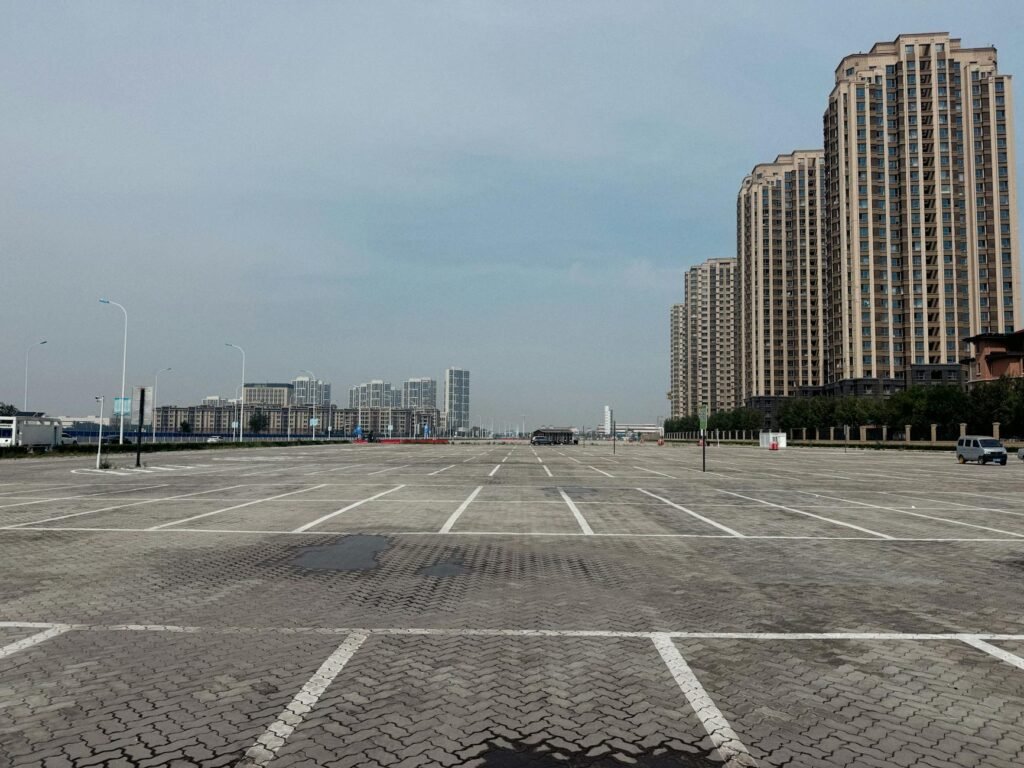
China’s embattled property sector, a cornerstone of its economic growth for decades, is exhibiting nascent signs of a potential bottoming out, though a substantial overhang of unsold and unfinished homes continues to cast a long shadow over the market. In key metropolitan areas, particularly Shanghai, property prices have begun to show a rebound, a development that analysts are cautiously observing for signs of broader national recovery.
However, the national picture remains complex and fraught with challenges. Information reaching Tahir Rihat suggests that the sheer volume of vacant or incomplete residential units across the country presents an enormous hurdle. Estimates indicate that approximately 90 million apartments fall into this category, a figure that underscores the depth of the imbalance between supply and demand and the scale of the task required to absorb this inventory.
The current situation echoes previous periods of market stress, where initial glimmers of recovery have been followed by prolonged periods of adjustment. The rebound in Shanghai, while encouraging for that specific market, does not necessarily translate to a uniform upturn nationwide. Regional disparities in economic performance, population migration, and local government policies play a significant role in shaping the trajectory of property markets across China‘s vast landscape.
The government has been implementing various measures to support the sector, including easing some purchase restrictions and encouraging financial institutions to provide liquidity. These interventions aim to restore confidence among buyers and developers alike, and to prevent a disorderly collapse that could have wider economic repercussions. The success of these policies will hinge on their ability to address the fundamental issues of oversupply and the financial health of developers.
Developers themselves are grappling with significant debt burdens, and many have struggled to complete projects, leaving a trail of unfinished homes and disgruntled buyers. The resolution of these outstanding projects is crucial for restoring trust in the market and for mitigating social unrest. The government is reportedly exploring various mechanisms to facilitate the completion of these homes and to ensure that buyers receive their properties.
The long-term implications of this housing slump are far-reaching. The property sector has been a major driver of China’s GDP, influencing everything from construction and manufacturing to household wealth and consumer spending. A sustained downturn could lead to slower economic growth, increased unemployment, and a potential drag on domestic consumption. Conversely, a successful stabilization and recovery could reignite economic momentum.
International investors and observers are closely monitoring the situation, given China’s significant role in the global economy. Any substantial disruption to China’s property market could have ripple effects across international financial markets and commodity prices. The narrative of China’s economic miracle has long been intertwined with its booming property sector, and its current recalibration is a critical juncture for the nation’s economic future.
The sheer scale of the unsold inventory means that even with renewed demand, it will take considerable time to clear. This overhang can depress prices and discourage new construction, creating a self-reinforcing cycle. The government’s challenge is to engineer a soft landing, balancing the need to support the economy with the imperative to address systemic risks within the property market.
Furthermore, the demographic shifts within China, including an aging population and declining birth rates, could also influence long-term housing demand. These underlying trends add another layer of complexity to the market’s recovery prospects. The current efforts to stimulate the market are therefore not just about addressing an immediate crisis but also about adapting to evolving societal and economic conditions.
The resilience of the Chinese economy has been tested before, and its ability to navigate this property sector challenge will be a key determinant of its future growth trajectory. The coming months will be critical in determining whether the current tentative signs of stabilization are the precursors to a sustained recovery or merely a temporary reprieve in a longer period of adjustment.


Tahir Rihat (also known as Tahir Bilal) is an independent journalist, activist, and digital media professional from the Chenab Valley of Jammu and Kashmir, India. He is best known for his work as the Online Editor at The Chenab Times.