


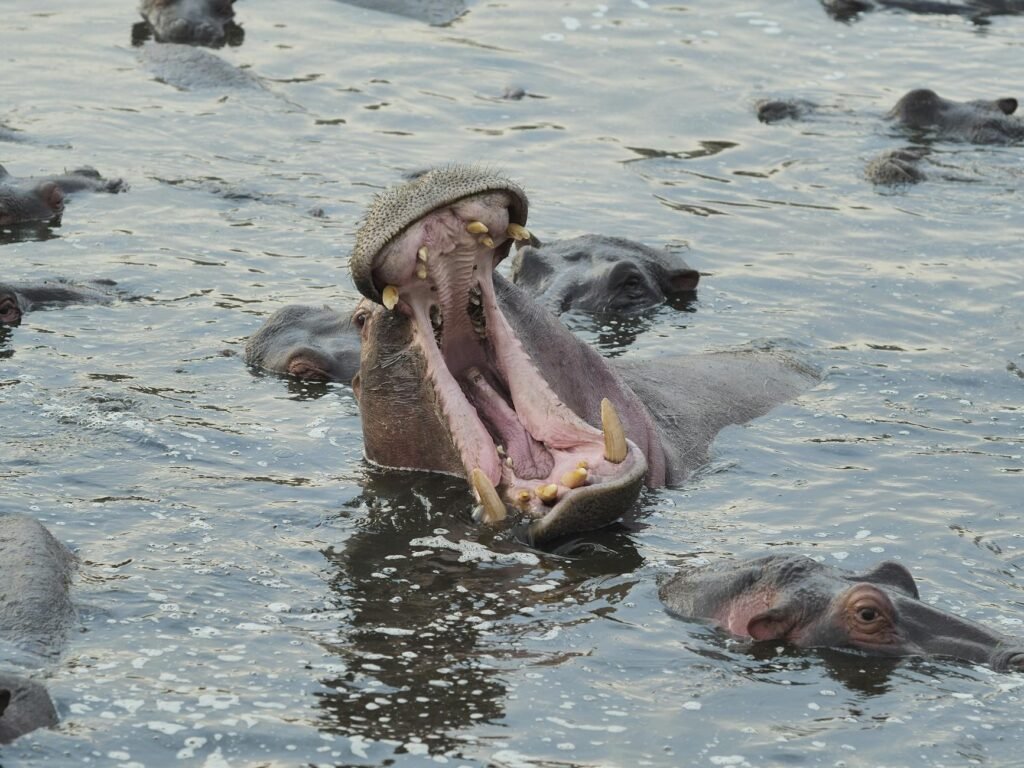
Colombia is confronting a complex and divisive decision regarding the future of a growing population of hippopotamuses, descendants of animals once owned by the notorious drug lord Pablo Escobar. The government is planning to cull these wild hippos, a move that has sharply divided the town of Puerto Triunfo, where the animals have become a significant tourist attraction. This unprecedented situation presents a unique ecological and ethical challenge for the South American nation.
The hippos in question are the offspring of a small group of animals that Escobar imported to his Hacienda Nápoles estate in the 1980s. After Escobar’s death in 1993, most of the exotic animals were relocated to zoos. However, the four hippos left behind at Hacienda Nápoles, which was later transformed into a theme park, eventually escaped into the surrounding Magdalena Medio region’s waterways. Information reaching Tahir Rihat suggests that these escaped animals have since thrived, reproducing and establishing a wild population that now numbers in the hundreds, posing potential risks to local ecosystems and human safety.
The Colombian government has declared the hippos an invasive species, citing concerns about their impact on native biodiversity, water quality, and the potential for aggression towards humans and livestock. A recent court ruling, however, has complicated the government’s plans, with some arguing for the hippos’ right to life and suggesting alternative solutions such as sterilization or relocation. The debate has drawn international attention, with animal rights activists and conservationists weighing in on the ethical considerations of managing a population that, while originating from an illegal source, has become a de facto part of the local landscape.
Puerto Triunfo, a town that has benefited economically from the presence of the hippos, which draw tourists eager to see the exotic creatures in their semi-wild habitat, finds itself at the epicenter of this controversy. Local businesses, including hotels, restaurants, and tour operators, have come to rely on the hippos as a primary draw. Some residents express a deep emotional connection to the animals, viewing them as a symbol of the region and a source of pride, despite their dangerous nature. The prospect of a cull has sparked protests and impassioned pleas for the hippos to be spared, highlighting the intricate relationship that has developed between the community and these unexpected inhabitants.
The scientific community is also divided. While some experts emphasize the ecological threat posed by the hippos, others advocate for more humane and less drastic measures. The sheer logistical and financial challenges of relocating or sterilizing such a large and mobile population are considerable. Sterilization, while a less lethal option, is a slow process and may not be sufficient to control the population’s growth rate. The government’s proposed cull, which would involve tranquilizing and euthanizing a significant number of the animals, is seen by many as a necessary but regrettable step to address a growing problem.
The situation in Colombia is a stark reminder of the unintended consequences that can arise from the introduction of non-native species, particularly those with a history as complex as Pablo Escobar’s hippos. The ongoing debate underscores the difficult balance between conservation efforts, public safety, and the ethical treatment of animals, especially when those animals are the legacy of one of history’s most infamous figures. As Colombia navigates this complex issue, the world watches to see how it will resolve the fate of these iconic, yet problematic, creatures.


Tahir Rihat (also known as Tahir Bilal) is an independent journalist, activist, and digital media professional from the Chenab Valley of Jammu and Kashmir, India. He is best known for his work as the Online Editor at The Chenab Times.