


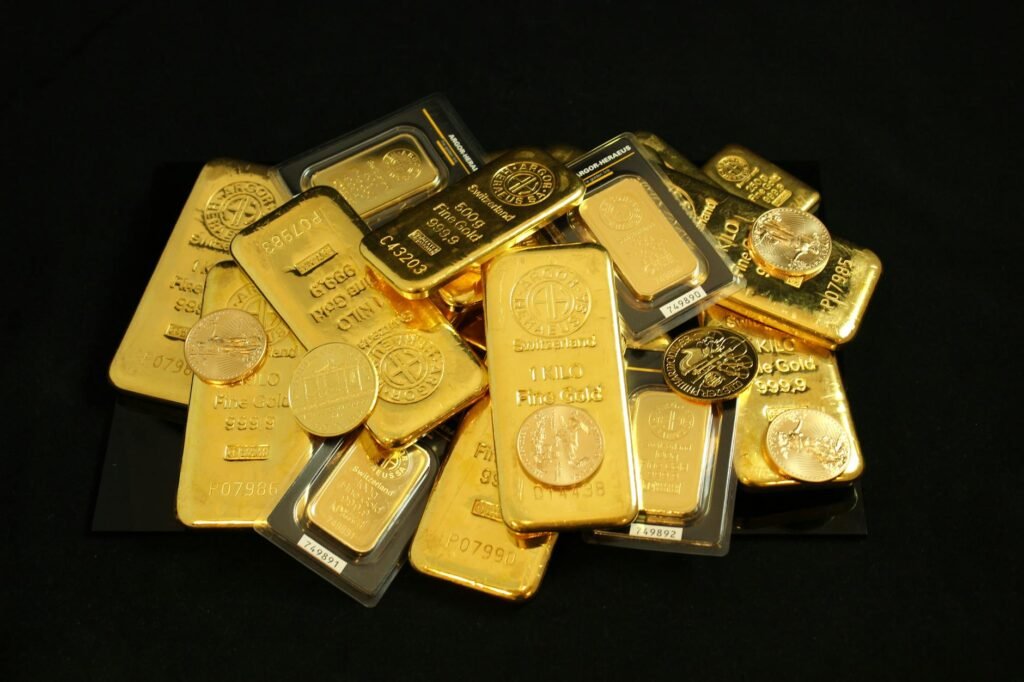
An intricate web of financial maneuvering has allowed illicit gold, sourced from illegal mining operations in Colombia, to be transformed into seemingly legitimate North American bullion, ultimately finding its way into Canada. This complex process, involving bureaucratic sleights of hand, was uncovered through a meticulous investigation by a reporter for The Times, shedding light on how criminal enterprises can legitimize their ill-gotten gains through sophisticated channels.
The investigation, spearheaded by Justin Scheck, delved into the opaque world of precious metals trading and the vulnerabilities within regulatory frameworks. The core of the operation involved gold extracted under duress and often with devastating environmental consequences in Colombia, then funneled through a series of intermediaries. These intermediaries, operating with a degree of calculated anonymity, would then process the gold, obscuring its origins and presenting it as legally acquired.
As per information available with Tahir Rihat, the transformation from illegal to legal gold was not a matter of physical alteration but rather a sophisticated manipulation of documentation and financial records. This bureaucratic sleight of hand allowed the gold to bypass stringent anti-money laundering checks that would typically flag such transactions. The Royal Canadian Mint, a symbol of financial integrity and a key player in the global gold market, became an unwitting participant in this scheme, providing a veneer of legitimacy to the laundered product.
The Times’ reporting detailed how Colombian cartels, notorious for their involvement in drug trafficking and violence, have increasingly diversified their income streams. Gold mining, particularly artisanal and small-scale operations, has become a lucrative avenue for these criminal organizations. These operations often occur in remote regions, making them difficult for authorities to monitor and control. The environmental toll of such mining is often severe, with widespread deforestation, mercury contamination, and displacement of indigenous communities.
Once extracted, the raw gold would be transported, often through clandestine routes, to various processing facilities. It is at these stages that the crucial steps of obfuscation would take place. Reports indicate that the gold would be mixed with legally sourced gold, its impurities removed, and then subjected to refining processes. The key, however, lay in the paperwork. By creating falsified invoices, import declarations, and assay certificates, the origin of the gold could be effectively erased, presenting it as a product of legitimate mining claims or established trading companies.
The Royal Canadian Mint, while not directly implicated in the criminal activity itself, served as a critical point in the laundering process. The mint’s reputation for producing high-quality gold products and its role in the North American market meant that gold passing through its facilities gained significant credibility. This credibility was then leveraged by those seeking to profit from the laundered gold, allowing it to be sold on international markets with a reduced risk of scrutiny.
Scheck’s investigation highlighted the challenges faced by regulatory bodies in keeping pace with the evolving tactics of organized crime. The sheer volume of gold traded globally, coupled with the complex international supply chains, creates fertile ground for illicit actors to exploit loopholes. The case of the laundered Colombian gold underscores the need for enhanced due diligence and greater transparency throughout the entire gold supply chain, from the mine to the mint and beyond.
The implications of this revelation extend beyond the financial sector. The flow of illicit gold often fuels further criminal activity, including violence, corruption, and human rights abuses. By successfully laundering their gold, cartels are able to repatriate profits, reinvest in their operations, and further destabilize regions already struggling with conflict and poverty. The Times’ reporting serves as a stark reminder of the interconnectedness of global crime and the critical role of investigative journalism in exposing these hidden networks.
The investigation also pointed to the potential for systemic weaknesses within the oversight of precious metals. While specific details of the bureaucratic sleights of hand remain complex, the outcome is clear: gold extracted through illegal and often violent means was successfully transformed into a commodity that could be traded on legitimate markets, with the Royal Canadian Mint inadvertently playing a role in its legitimization. This raises critical questions about the efficacy of current anti-money laundering regulations and the need for more robust international cooperation to combat the financial arms of criminal organizations.
The journey of this cartel gold from the remote mines of Colombia to the vaults of North America is a testament to the adaptability and sophistication of criminal enterprises. It also serves as a call to action for governments, financial institutions, and industry watchdogs to strengthen their defenses against such illicit financial flows. The integrity of the global precious metals market, and indeed the broader fight against organized crime, depends on such vigilance and the unwavering pursuit of truth by journalists like Justin Scheck.


Tahir Rihat (also known as Tahir Bilal) is an independent journalist, activist, and digital media professional from the Chenab Valley of Jammu and Kashmir, India. He is best known for his work as the Online Editor at The Chenab Times.