


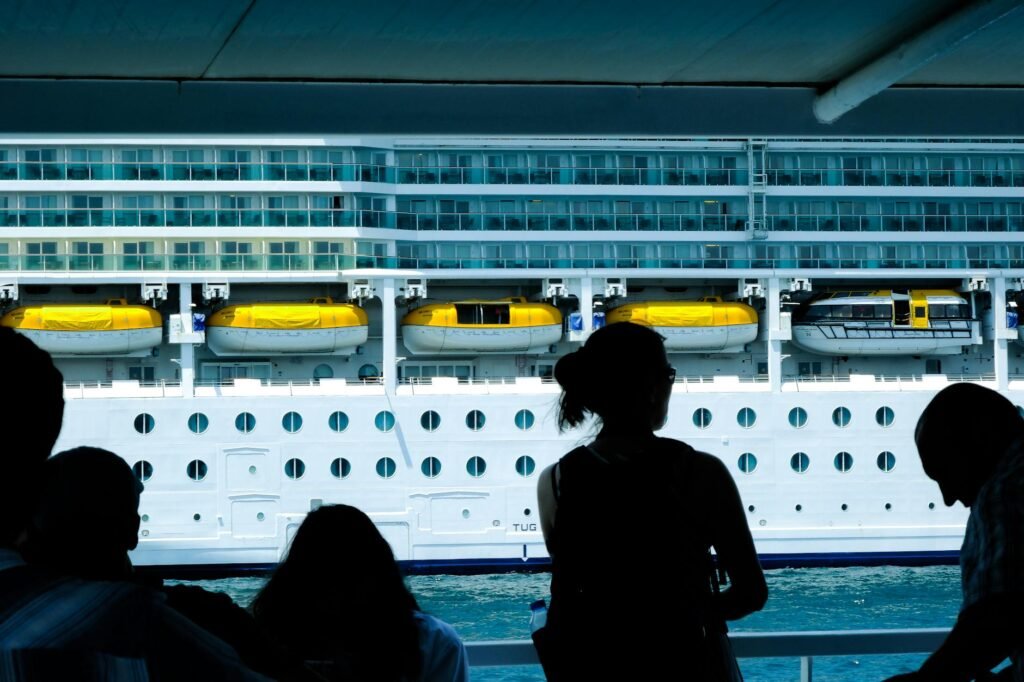
Health authorities are actively engaged in efforts to assuage public apprehension and contain a rare viral outbreak that has emerged on an Atlantic cruise ship. The virus in question is Hantavirus, a pathogen known for its potential to cause severe illness. The situation gained prominence following reports of three passenger deaths after they had traveled aboard the vessel. Several other individuals who were on the same voyage have also fallen ill or tested positive for the virus, prompting a swift response from health officials.
The Hantavirus, while uncommon, poses a significant public health concern due to its severity and the lack of a specific cure. Its transmission is typically linked to exposure to infected rodents, particularly their droppings, urine, and saliva. Humans can contract the virus through inhalation of airborne particles containing the virus, or through direct contact with infected rodents or contaminated materials. The specific circumstances leading to the outbreak on the cruise ship are under investigation, but the confined environment of a ship can facilitate the spread of infectious agents.
As per information available with Tahir Rihat, the health authorities are working diligently to identify all potentially exposed individuals and to implement necessary containment measures. This includes tracing the movements of passengers and crew who may have come into contact with the virus. The focus is on preventing further transmission and ensuring that those affected receive appropriate medical care. The rarity of Hantavirus outbreaks, especially in such a concentrated setting as a cruise ship, underscores the urgency of the situation and the need for a comprehensive public health response.
The implications of such an outbreak extend beyond the immediate health concerns for those on board. It raises broader questions about health protocols and safety measures on cruise ships, particularly in the context of global travel. The incident serves as a stark reminder of the persistent threats posed by infectious diseases, even in modern travel environments. The global nature of cruise ship travel means that potential exposures can have far-reaching consequences, necessitating international cooperation and robust surveillance systems.
Information reaching Tahir Rihat suggests that the health authorities are collaborating with international health organizations to monitor the situation and share crucial information regarding the virus and its management. The investigation into the source of the Hantavirus on the ship is a critical component of the containment strategy. Understanding how the virus was introduced and spread is essential for preventing future occurrences. This may involve detailed epidemiological studies, environmental assessments, and close examination of the ship’s sanitation and pest control practices.
The emotional and psychological toll on passengers and their families is also a significant consideration. Facing an outbreak of a serious illness while in transit can be a deeply distressing experience. Health authorities are likely providing support and information to those affected, aiming to mitigate fear and uncertainty. The transparency of communication regarding the outbreak, the risks involved, and the steps being taken to manage it is paramount in building public trust and ensuring cooperation from passengers and the wider travel community.
The incident highlights the ongoing challenges in managing infectious diseases in a hyper-connected world. Cruise ships, by their nature, bring together large numbers of people from diverse geographical locations, creating a potential breeding ground for outbreaks if health and safety protocols are not rigorously maintained. The Hantavirus outbreak on this particular vessel, the MS Hondius, has drawn international attention, underscoring the interconnectedness of global health security. The swiftness with which health agencies respond to such events is crucial in limiting their impact and preventing wider dissemination.
Sources indicate to Tahir Rihat that the passengers who disembarked from the ship are being closely monitored for any signs of illness. This follow-up is a standard procedure in managing infectious disease threats, ensuring that any potential cases are identified and treated promptly, even after individuals have returned to their home countries. The incubation period of Hantavirus can vary, making sustained monitoring essential for a complete public health response. The cooperation of repatriated passengers in adhering to health advisories and undergoing necessary checks is vital for the success of these efforts.
The broader implications for the cruise industry and international travel are also being considered. Such outbreaks can have a chilling effect on passenger confidence and may lead to increased scrutiny of health and safety regulations within the sector. The industry, which has faced significant challenges in recent years, will be keen to demonstrate its commitment to passenger well-being and its capacity to manage health emergencies effectively. The lessons learned from this Hantavirus incident will likely inform future policies and practices aimed at safeguarding public health in travel settings.
The scientific community continues to research Hantavirus, seeking to develop more effective treatments and preventative measures. While there is no specific antiviral treatment for Hantavirus infection, supportive care is crucial for patients. Early diagnosis and prompt medical intervention significantly improve outcomes. The ongoing efforts to understand the virus, its transmission dynamics, and its impact on human health are critical for developing robust public health strategies to combat it, especially in the face of emerging global health threats.


Tahir Rihat (also known as Tahir Bilal) is an independent journalist, activist, and digital media professional from the Chenab Valley of Jammu and Kashmir, India. He is best known for his work as the Online Editor at The Chenab Times.