


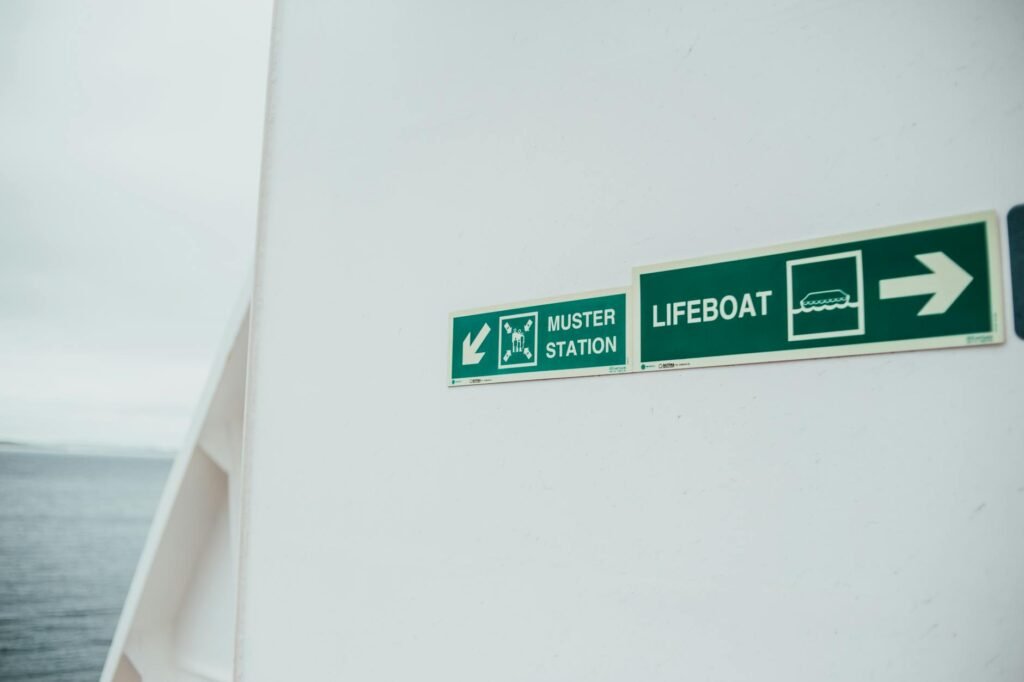
Three individuals exhibiting potential symptoms of hantavirus have been medically evacuated from the Dutch-flagged cruise ship MV Hondius. The evacuation took place on Wednesday morning, marking a significant development in the ongoing health concerns aboard the vessel. The MV Hondius, a vessel known for its expeditions to remote and often challenging environments, was reportedly carrying passengers when the health situation arose. The specific symptoms that prompted the evacuation were not immediately detailed, but the presence of hantavirus concerns necessitates swift and decisive action to prevent further spread and ensure the well-being of all onboard.
Information reaching Tahir Rihat suggests that the decision to evacuate was made after medical assessments indicated a possibility of hantavirus infection. This virus, primarily transmitted through rodent droppings, urine, and saliva, can cause severe respiratory illness in humans, known as hantavirus pulmonary syndrome (HPS). The incubation period for the virus can vary, and early symptoms often mimic those of influenza, including fever, chills, body aches, headache, nausea, vomiting, and fatigue. As the illness progresses, it can lead to shortness of breath and fluid accumulation in the lungs, a critical stage that requires immediate medical intervention.
The MV Hondius operates in regions where rodent populations can be prevalent, and the nature of expedition travel often involves exposure to environments where such risks might be heightened. Cruise ships, by their very nature, are enclosed environments where close proximity among passengers and crew can facilitate the transmission of infectious diseases. Therefore, any suspected outbreak requires rigorous containment protocols and prompt medical response. The evacuation of these three individuals is a critical step in the broader effort to manage the situation and protect the health of the remaining passengers and crew. Further details regarding the condition of the evacuated individuals and the ongoing health monitoring on the ship are expected to be released as the situation develops.
The protocols for managing potential hantavirus outbreaks on vessels like the MV Hondius typically involve a multi-faceted approach. This includes isolating symptomatic individuals, thorough disinfection of affected areas, and close monitoring of all persons on board for any signs of illness. Public health authorities are likely to be involved in advising on and overseeing these measures. The swiftness of the evacuation underscores the seriousness with which such health threats are treated in the maritime travel industry, particularly in the context of expedition voyages where access to advanced medical facilities may be limited.
Hantaviruses are a group of viruses that can cause severe illness in humans. While some strains are found in the Americas and cause hantavirus pulmonary syndrome (HPS), others are found in Europe and Asia and can cause hemorrhagic fever with renal syndrome (HFRS). The symptoms and severity of the illness depend on the specific type of hantavirus. The primary mode of transmission to humans is through inhalation of aerosolized virus particles from infected rodent excreta. Direct contact with rodents or their droppings can also lead to infection, and in some cases, person-to-person transmission has been reported for certain hantaviruses, though this is rare.
The MV Hondius is a modern expedition vessel designed for polar regions and other remote destinations. Its operations often involve landings in wilderness areas, which increases the potential for exposure to environmental pathogens. The company operating the ship, and indeed the broader expedition cruise industry, places a high emphasis on health and safety protocols. However, the unpredictable nature of infectious diseases means that outbreaks can still occur, necessitating robust emergency response plans. The evacuation of passengers with suspected hantavirus is a testament to these preparedness measures.
The medical teams on board the MV Hondius would have been responsible for the initial assessment and stabilization of the affected individuals. The decision to evacuate would have been based on the severity of their symptoms and the available medical capabilities on the ship versus the need for more advanced care ashore. Transporting patients with suspected infectious diseases also requires specialized logistical arrangements to ensure the safety of medical personnel and the wider public during transit. The nature of the evacuation, whether by helicopter or other specialized medical transport, would depend on the ship’s location and the prevailing conditions.
The incident serves as a reminder of the ongoing risks associated with travel, especially to remote or ecologically sensitive areas. While the cruise industry has made significant strides in health and safety, the potential for disease transmission remains a constant consideration. For passengers and crew, adherence to hygiene protocols and prompt reporting of any health concerns are crucial in preventing the escalation of such incidents. The focus now will be on the health of the evacuated individuals and the continued monitoring and management of the situation on the MV Hondius, with a view to ensuring the safety of all involved.


Tahir Rihat (also known as Tahir Bilal) is an independent journalist, activist, and digital media professional from the Chenab Valley of Jammu and Kashmir, India. He is best known for his work as the Online Editor at The Chenab Times.