


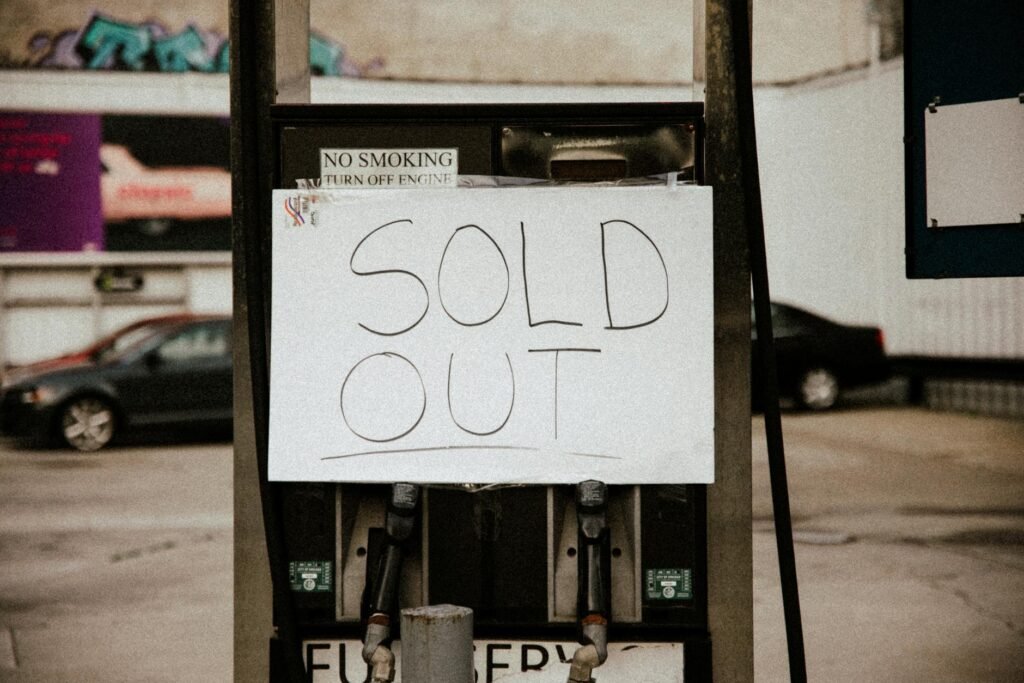
Cuba’s government has announced that the island nation has exhausted its oil reserves, marking a critical escalation of a protracted energy crisis that has gripped the country. The declaration, made by officials this week, signals a severe intensification of the challenges facing the Caribbean nation as it grapples with dwindling resources and the ongoing impact of international sanctions.
Information reaching Tahir Rihat suggests that the depletion of reserves represents a breaking point in the ongoing energy crisis. The situation has led to widespread disruptions across various sectors, impacting daily life for Cuban citizens and posing significant questions about the nation’s immediate economic and social stability. The government’s acknowledgment of this critical juncture underscores the gravity of the situation, moving beyond previous reports of shortages to a complete absence of strategic reserves.
The implications of running out of oil reserves are far-reaching for Cuba, a nation heavily reliant on imported fuel for its power generation, transportation, and industrial activities. The absence of reserves means that the country has no buffer to mitigate immediate supply disruptions or to meet unexpected surges in demand. This precarious position is likely to exacerbate existing power outages, further strain transportation networks, and potentially lead to increased prices for essential goods and services as businesses face higher operational costs. The government’s announcement is expected to trigger urgent calls for international assistance and a re-evaluation of Cuba’s energy strategy.
This development comes at a time when Cuba has been facing persistent economic headwinds, compounded by the effects of the U.S. embargo and the global energy market fluctuations. The country has historically depended on oil imports, with Venezuela being a key supplier in recent years. However, the reliability of these supply lines has been subject to geopolitical shifts and economic challenges faced by both nations. The current declaration indicates that even existing supply agreements, or alternative sources, have not been sufficient to maintain any level of strategic reserve.
The impact on the daily lives of Cubans is expected to be profound. Frequent and prolonged power outages have already become a common feature in many parts of the island, affecting homes, businesses, and public services. With no reserves, the frequency and duration of these blackouts could increase significantly. Furthermore, the transportation sector, which relies heavily on fuel, will likely face severe disruptions, impacting the movement of goods and people. This could lead to shortages of food, medicine, and other essential supplies, further straining an already challenged economy.
Analysts suggest that the Cuban government will now be under immense pressure to secure immediate fuel supplies to prevent a complete collapse of its energy infrastructure. This may involve seeking emergency aid from allies or attempting to negotiate new, potentially more expensive, supply agreements on the international market. The country’s ability to generate foreign currency, which is already limited, will be severely tested by the need to procure fuel without the safety net of reserves. The long-term implications could also force a more rapid transition towards renewable energy sources, though the immediate capital investment required for such a shift remains a significant hurdle.
The government’s candid admission of having run out of oil reserves is a stark indicator of the severity of the economic crisis. It moves beyond the realm of managed shortages to a situation where the nation has no strategic cushion. The coming days and weeks will likely see intensified efforts by the Cuban authorities to address this critical energy deficit and to communicate their plans to the populace, which has already endured years of economic hardship. The international community will be closely watching for any signs of humanitarian need or calls for assistance as Cuba navigates this unprecedented energy emergency.


Tahir Rihat (also known as Tahir Bilal) is an independent journalist, activist, and digital media professional from the Chenab Valley of Jammu and Kashmir, India. He is best known for his work as the Online Editor at The Chenab Times.