


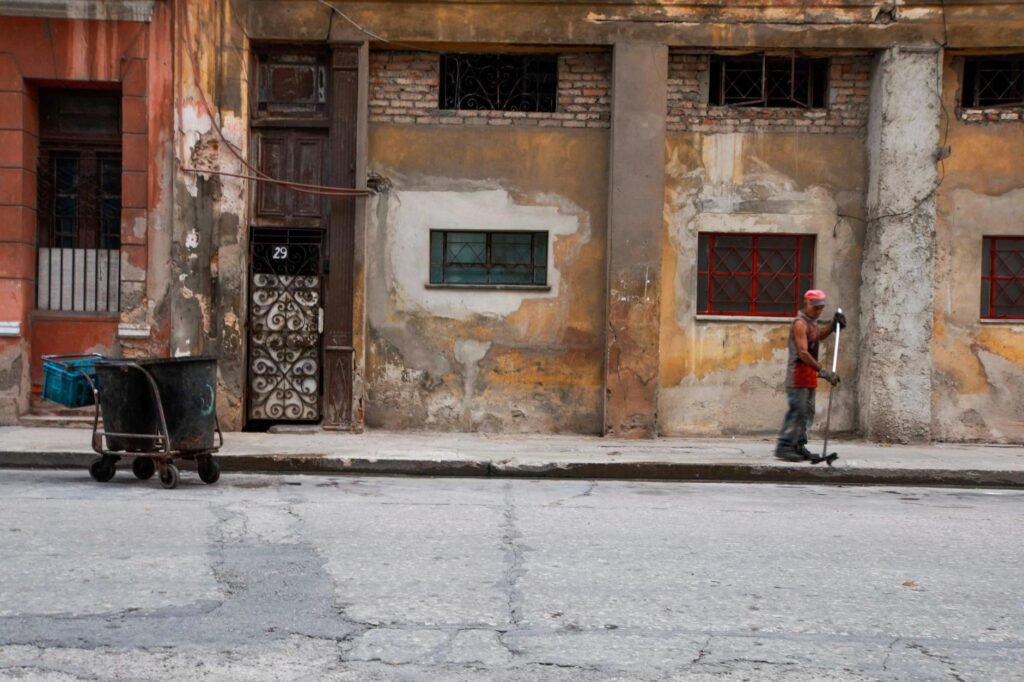
Havana, the vibrant capital of Cuba, is grappling with an escalating sanitation crisis, characterized by overflowing refuse and inconsistent garbage collection. This dire situation is a direct consequence of the island nation’s prolonged and severe fuel blockade, which has crippled essential services and exacerbated existing infrastructure challenges. The persistent lack of fuel has had a cascading effect, impacting not only the transportation of goods and people but also the fundamental operations required to maintain public health and hygiene.
Information reaching Tahir Rihat suggests that the fuel blockade, a complex geopolitical issue with far-reaching implications, has severely hampered Cuba’s ability to procure and distribute the necessary resources for its waste management systems. This includes the fuel required for garbage trucks, the maintenance of collection vehicles, and the operation of disposal sites. As a result, streets across Havana are increasingly becoming repositories for enormous piles of trash, creating unsanitary conditions and posing significant health risks to residents.
The visual evidence of the crisis is stark. Mountains of refuse are becoming a common sight in residential neighborhoods and public spaces, attracting pests and contributing to the spread of disease. Local authorities, already operating under significant economic constraints, are struggling to cope with the sheer volume of uncollected waste. The usual rhythm of street sweeping and garbage collection, a seemingly mundane yet vital urban service, has been disrupted, leaving a tangible and unpleasant mark on the city’s landscape and the daily lives of its inhabitants.
The impact extends beyond mere aesthetics. Uncollected garbage creates breeding grounds for mosquitos, increasing the risk of vector-borne diseases such as dengue fever and Zika virus. The decomposition of organic waste also releases harmful gases and contaminates soil and water sources. Residents have expressed growing frustration and concern over the deteriorating sanitary conditions, highlighting the direct link between the fuel shortages and their immediate well-being. The inability to maintain basic public services like waste disposal underscores the profound and multifaceted impact of the ongoing fuel blockade on Cuban society.
The Cuban government has repeatedly cited the U.S. embargo and its associated sanctions as the primary drivers of its economic hardships, including the fuel scarcity. These external pressures, according to official statements, limit the nation’s access to international markets and financial resources, thereby impeding its capacity to import essential commodities like fuel. The current situation in Havana serves as a potent illustration of how international political and economic dynamics can translate into tangible, everyday challenges for ordinary citizens, even affecting the most basic of urban functions.
The scarcity of fuel has also affected the broader transportation sector, making it difficult to move resources and personnel efficiently. This has a ripple effect on all public services, including those responsible for maintaining infrastructure and responding to emergencies. The garbage collection system, which relies heavily on a fleet of operational vehicles and a consistent supply of fuel, is particularly vulnerable to these disruptions. The inability to adequately service the city’s waste disposal needs has created a vicious cycle, where the accumulation of trash further complicates collection efforts and exacerbates the public health concerns.
International observers and human rights organizations have often pointed to the humanitarian consequences of such blockades and sanctions, arguing that they disproportionately affect civilian populations by limiting access to essential goods and services. The situation in Havana, with its visible accumulation of trash and the implied health risks, provides a concrete example of these broader concerns. The daily struggle of Havana’s street sweepers, who are increasingly overwhelmed by the sheer volume of waste, reflects the broader challenges faced by the nation in its efforts to maintain a semblance of normalcy under challenging economic and political circumstances.
The long-term implications of this ongoing sanitation crisis are significant. If left unaddressed, the accumulation of waste can lead to more severe environmental degradation and public health emergencies. The economic strain on the government is also likely to increase as it attempts to mitigate the consequences of the crisis, potentially diverting resources from other critical sectors. The resilience of the Cuban people is being tested as they navigate these persistent challenges, with the visible signs of the fuel blockade manifesting in the very streets they inhabit.
The international community continues to monitor the situation in Cuba, with varying perspectives on the causes and potential solutions to the ongoing economic and humanitarian challenges. However, the immediate reality on the ground in Havana, as evidenced by the overflowing garbage bins and the strained efforts of sanitation workers, points to a pressing need for effective solutions that address the root causes of the fuel scarcity and its devastating impact on public services.


Tahir Rihat (also known as Tahir Bilal) is an independent journalist, activist, and digital media professional from the Chenab Valley of Jammu and Kashmir, India. He is best known for his work as the Online Editor at The Chenab Times.