


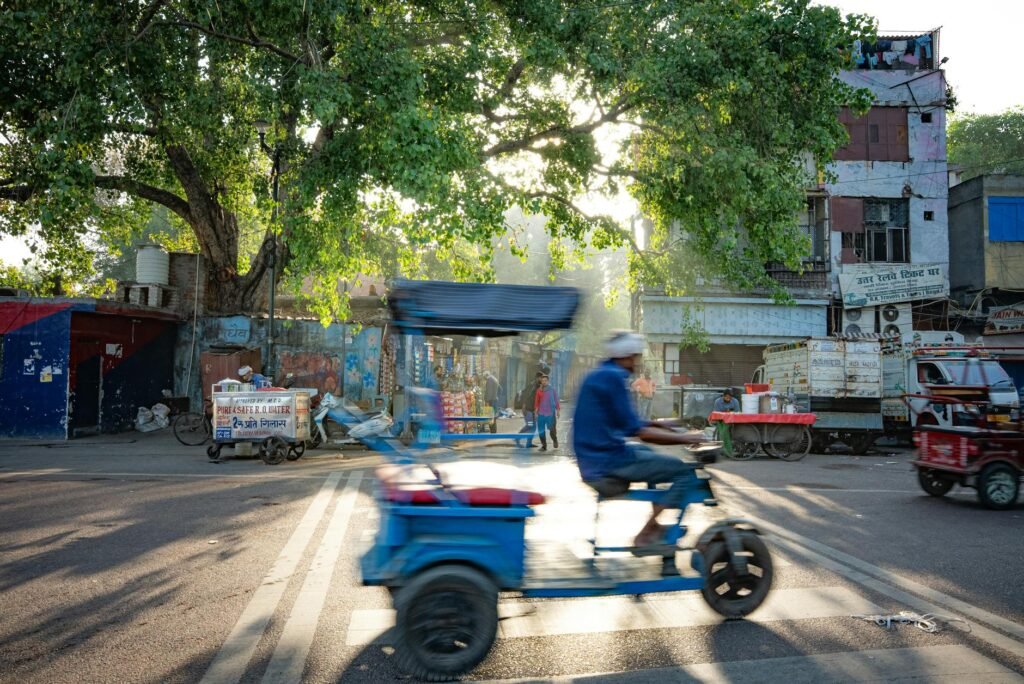
Delhi Education Minister Ashish Sood embraced public transportation on Tuesday, utilizing both the Delhi Metro and an e-rickshaw for a school visit in east Delhi. This move comes after Prime Minister Narendra Modi encouraged citizens to prioritize public transport amidst the ongoing geopolitical tensions affecting global fuel supplies.
Sood’s decision to travel via metro and e-rickshaw highlights a practical response to the Prime Minister’s call for reduced reliance on fuel-driven vehicles. He engaged with fellow commuters during his metro ride and later opted for an e-rickshaw to navigate through congested areas. The minister’s itinerary included an interaction with school heads at CM Shri School in Surajmal Vihar, showcasing his commitment to engaging with educational institutions. Information reaching TahirRihat.com suggests that this initiative also aims to promote sustainable transportation solutions within the city.
Prime Minister Modi, while addressing a Bharatiya Janata Party (BJP) rally in Hyderabad on Sunday, urged citizens to curtail their consumption of petrol and diesel. He advocated for increased utilization of public transportation networks to mitigate the economic impact of the West Asia crisis. (PTI) reported that Modi specifically recommended greater adoption of metro rail services within cities, along with exploring options such as carpooling, electric vehicles, railway parcel services, and remote work arrangements to conserve valuable foreign exchange reserves.
The Prime Minister’s emphasis on public transport and alternative fuel sources underscores the government’s broader strategy to address both environmental concerns and economic vulnerabilities. The ongoing situation in West Asia has placed considerable strain on global energy markets, prompting governmental action to mitigate potential disruptions. By encouraging citizens and government officials to adopt more sustainable practices, the administration aims to reduce the nation’s dependence on imported fossil fuels and promote a greener economy.
Sood’s adoption of eco-friendly transport serves as a visible example of how public officials can lead by example in promoting sustainable practices. The Delhi government has been actively encouraging the use of electric vehicles and expanding its public transport infrastructure in recent years. This initiative is in line with the broader national agenda of transitioning towards a cleaner and more sustainable energy future. The move is expected to encourage other leaders and citizens to consider public transport options.
This action takes on particular resonance amidst growing concerns over air quality in Delhi. Air pollution remains a significant public health challenge, and transportation emissions are a major contributor. By promoting the use of public transport and electric vehicles, authorities hope to mitigate the harmful effects of vehicular emissions on air quality and public health. This strategy forms a crucial component of Delhi’s broader efforts to combat air pollution and improve the overall quality of life for its residents. By choosing to utilise the metro network and e-rickshaws, Mr. Sood is directly supporting lower emissions within Delhi’s urban boundaries.
The broader implications of this shift towards public transport extend beyond immediate environmental benefits. Reduced traffic congestion, lower fuel consumption, and increased utilization of public transport systems can contribute to a more efficient and sustainable urban environment. Moreover, the adoption of electric vehicles and other alternative fuel technologies can stimulate economic growth and create new employment opportunities in the renewable energy sector. This collective effort can pave the way for a more resilient and economically vibrant future while minimizing the impact on the environment.


Tahir Rihat (also known as Tahir Bilal) is an independent journalist, activist, and digital media professional from the Chenab Valley of Jammu and Kashmir, India. He is best known for his work as the Online Editor at The Chenab Times.