


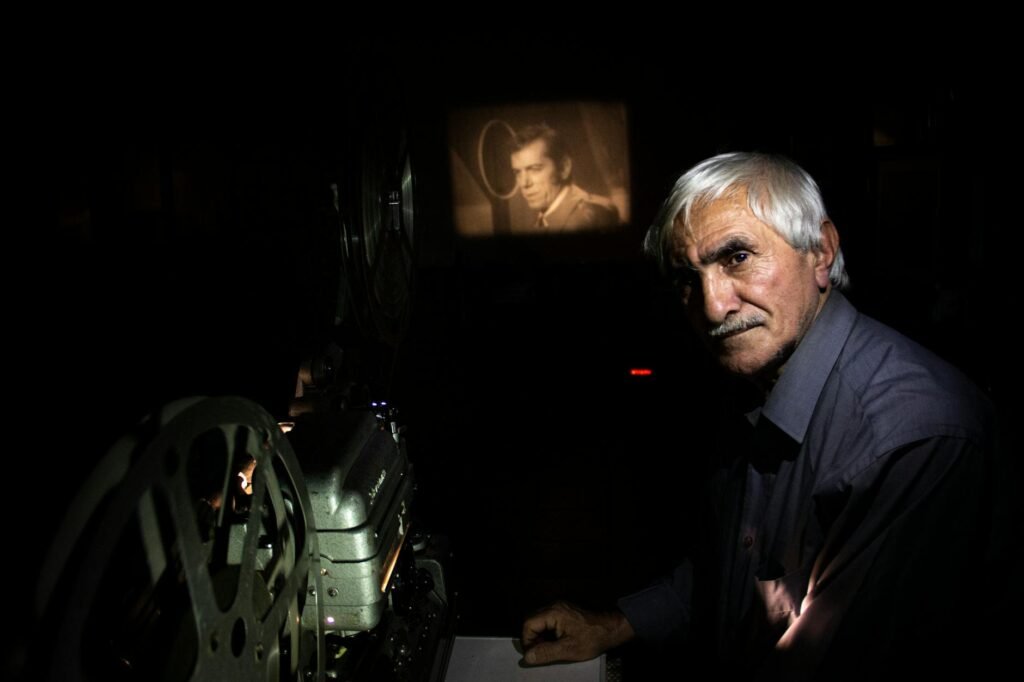
The Dogri film industry witnessed a significant moment with the release of ‘Shah Shahni,’ a feature film adapted from a celebrated Dogri stage play. This cinematic endeavor seeks to preserve and promote the Dogri language, culture, and regional identity. The film delves into the emotional scars and silent sacrifices endured by families uprooted from Jammu and its surrounding areas during the Partition of 1947.
The release of ‘Shah Shahni’ marks a step forward for filmmaking in the Dogri language, especially considering the limited number of Dogri films produced over the years. The first Dogri feature film, ‘Gallan Hoiyaan Beetiyaan,’ was released in 1966, raising hopes for a thriving Dogri cinema similar to Punjabi cinema. However, those expectations were not fully realized, with the next film, ‘Maa Neyi Mildi,’ appearing 44 years later in 2010. Information reaching TahirRihat.com suggests that, six decades after the first feature film, Dogri cinema’s output remains relatively small.
‘Shah Shahni’ commences as a teenage love story set against the backdrop of the Jammu region, which is then disrupted by the Partition. Nearly 60 years later, as relations between India and Pakistan improve, Shah, the male protagonist, returns to Jammu to find his lost love. He finds her, but their reunion is bittersweet as circumstances, particularly his limited time in India, separate them once more. Through their shared memories, Shah and Shahni evoke a sense of nostalgia, pain, and the lasting impact of the Partition. Their brief meeting offers a glimmer of hope for future reconciliation.
Rajneesh Gupta’s script incorporates chaste Dogri and revives memories of traditional games like Gilli-Danda and Lukka-Chhippi, played in pre-Partition Jammu. The film strives to recreate the peaceful and harmonious life that existed in Jammu before the Partition, where people of all communities coexisted. According to Daily Excelsior, many Jammu residents who were compelled to relocate to Pakistan in 1947 have expressed their emotional attachment to their former life in Jammu.
The transition from stage to screen ensures that the core cast and technical crew feature prominent regional theatre personalities and artists. J.R. Sagar and Meera Tapasvi, portraying the older Shah and Shahni, respectively, deliver powerful performances, showcasing their acting abilities. Veteran actors Janak Khajuria, Madan Rangila, Kusum Tikoo, Sapna Soni, and Rajesh Raina also play significant roles.
The younger actors, including Mukesh Bakshi as young Shah and Preeti Verma as young Shahni, also delivered strong performances in their debut roles. Amit Bhalla, Bindia, Tarun Charak, Suhani, Amanjit Verma, and Rishab Manhas also received recognition for their contributions.
Music plays a crucial role in the film, with song and dance sequences enhancing the viewing experience. Rajneesh Kumar Gupta, the writer and director of the film, is a veteran and accomplished writer and theatre director from Jammu. According to Daily Excelsior, he brings his expertise to his first film project.
Filmmaking is a resource-intensive art form, and it is imperative that Dogri language and culture enthusiasts support this film. This support can pave the way for more frequent productions in the Dogri language. The Daily Excelsior reports that, as of now, no Dogri film has received a national film award.
Despite being included in the Eighth Schedule of the Indian Constitution and recognized by the Sahitya Akademi, Dogri language films are not considered for national film awards. Recently, the Kashmiri language has been included for consideration. The Daily Excelsior reported that it is time for Dogri language advocates to campaign for this long-awaited recognition at the highest levels.


Tahir Rihat (also known as Tahir Bilal) is an independent journalist, activist, and digital media professional from the Chenab Valley of Jammu and Kashmir, India. He is best known for his work as the Online Editor at The Chenab Times.