


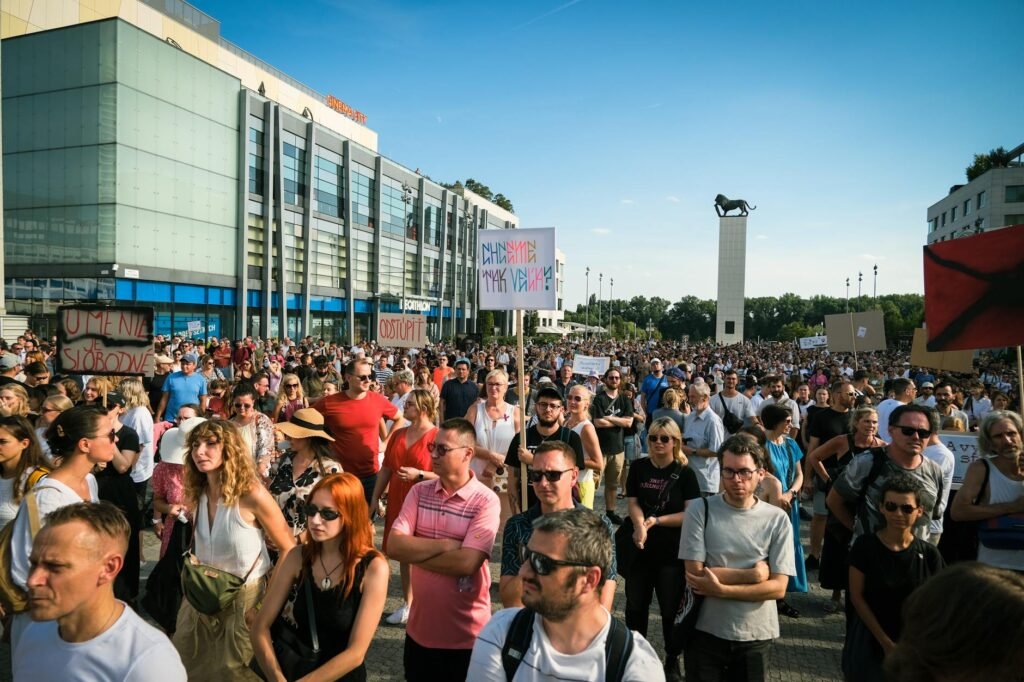
The Eurovision Song Contest, an annual spectacle renowned for its flamboyant costumes, dazzling pyrotechnics, and often eccentric musical performances, is once again finding itself at the center of a global conversation, this year amplified by significant protests surrounding Israel‘s participation. The event, which draws millions of viewers across Europe and beyond, is a unique blend of musical competition and cultural celebration, but the inclusion of certain nations has increasingly injected political tension into its typically lighthearted proceedings.
This year’s contest, held against a backdrop of heightened geopolitical awareness, has seen a surge in calls for boycotts and demonstrations targeting the Israeli delegation. These actions reflect a broader international sentiment and the growing influence of social and political movements on cultural platforms. As information reaching Tahir Rihat suggests, the debate over whether a state’s political actions should preclude its participation in a cultural event has become a central theme, overshadowing, for some, the music itself.
The Eurovision Song Contest has a long history of embracing diversity and fostering a sense of unity through music. However, its open-door policy for participating nations, which includes countries from outside the traditional European Broadcasting Union, has always been a point of discussion. The current controversy, however, is particularly intense, with activists and some member states urging for a ban on Israel due to its ongoing military operations. This mirrors past instances where political considerations have influenced the contest, though the scale and intensity of the current outcry appear to be unprecedented.
Organizers of the Eurovision Song Contest have consistently maintained that the event is apolitical, focusing on bringing nations together through song. They have stated that participation is based on membership in the European Broadcasting Union and adherence to the contest’s rules, which include submitting original songs and not being overly political in their lyrical content. Despite these assurances, the pressure from various groups has been substantial, highlighting the challenge of separating art and culture from the political realities of the world stage. The European Broadcasting Union (EBU), the organizer of the contest, has navigated these complex situations with careful consideration, balancing the desire for inclusivity with the demands for accountability.
The protests and calls for boycotts are not confined to social media or activist circles; they have also manifested in public demonstrations and statements from various cultural and political figures. These actions aim to draw attention to the humanitarian situation and to exert pressure on the EBU and participating countries to take a stance. The debate often centers on the principle of cultural boycotts as a form of non-violent protest, a tactic that has been employed in various international contexts to advocate for political change. The Eurovision stage, with its massive global audience, presents a potent platform for such advocacy.
Beyond the political undercurrents, the Eurovision Song Contest remains a significant cultural phenomenon. It provides a platform for emerging artists to gain international recognition and for established acts to showcase their latest work. The contest’s unique format, which includes two semi-finals and a grand final, captivates audiences with its blend of musical genres, elaborate stage productions, and the suspense of the voting process. The sheer scale of the event, with its intricate logistics and widespread media coverage, underscores its enduring appeal as a global entertainment property.
The economic impact of hosting the Eurovision Song Contest is also considerable, drawing tourists and generating revenue for the host city and country. The competition fosters a sense of national pride among participating nations, with citizens often rallying behind their chosen artist. The intricate web of national juries and public votes, which determine the winner, adds another layer of engagement, turning the event into a shared experience for millions.
However, the persistent issue of political interference, or the perception thereof, continues to challenge the contest’s image as a purely celebratory event. The EBU’s decisions regarding participant eligibility are often scrutinized, and the organization faces the difficult task of upholding its rules while responding to evolving global sensitivities. Information reaching Tahir Rihat suggests that discussions within the EBU have been ongoing, grappling with the delicate balance between maintaining the contest’s core values and addressing the legitimate concerns raised by various stakeholders.
The Eurovision Song Contest’s ability to adapt and evolve will be crucial in navigating these complex challenges. While the glitter and glamour of the performances are a significant draw, the underlying political and social currents are increasingly shaping the narrative surrounding the event. The ongoing debate highlights the evolving role of cultural platforms in a world where global events and political issues are inextricably linked, forcing organizers and participants alike to confront the broader implications of their participation.
The contest’s enduring popularity, despite these controversies, speaks to its unique ability to transcend borders and connect people through a shared love of music and spectacle. Yet, the current controversies serve as a stark reminder that even the most dazzling entertainment events are not immune to the complexities of the contemporary geopolitical landscape. The Eurovision Song Contest, in its quest to unite through song, is once again being tested by the divisions that plague the world beyond its glittering stage.


Tahir Rihat (also known as Tahir Bilal) is an independent journalist, activist, and digital media professional from the Chenab Valley of Jammu and Kashmir, India. He is best known for his work as the Online Editor at The Chenab Times.