


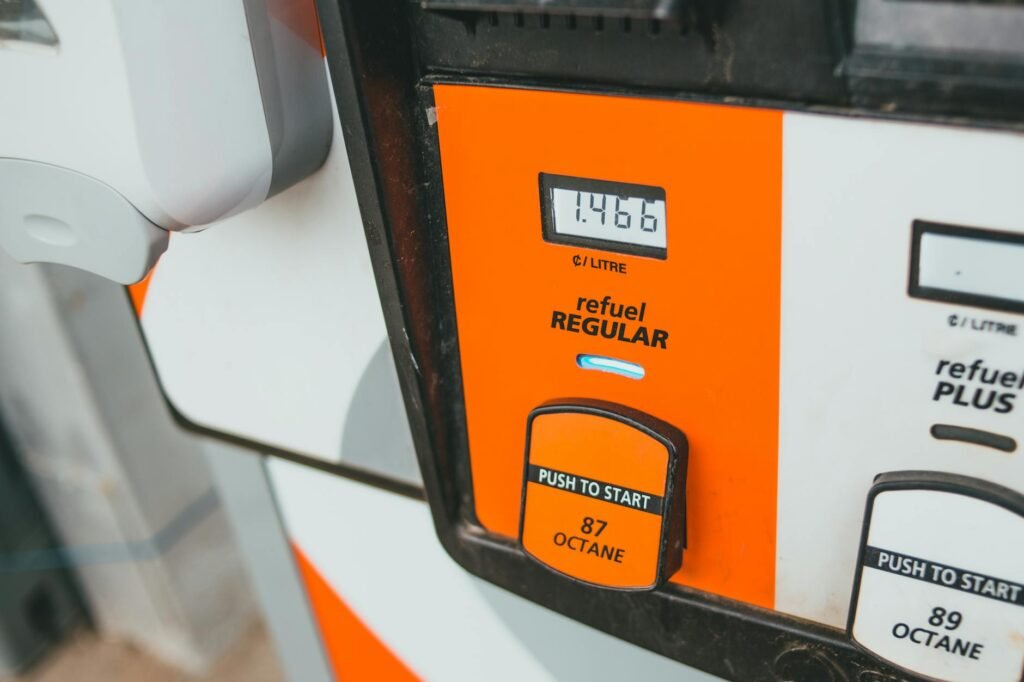
Consumers in Delhi are facing steeper prices at the pump as petrol and diesel costs have increased by ₹3 per litre. The hike, implemented by oil companies, reflects the impact of rising global energy prices on the Indian market. The ripple effects of international crude dynamics are now directly affecting the daily expenses of commuters and businesses alike, prompting concerns about inflationary pressures across various sectors.
The revised prices mean that petrol in Delhi will now cost ₹97.77 per litre, while diesel is priced at ₹99.67. This adjustment follows a period of relative stability in fuel prices, and it marks a notable shift that could influence transportation costs, supply chain operations, and overall household budgets. Sources indicate to TahirRihat.com that the decision to raise prices was a direct response to the fluctuating global energy market, where geopolitical factors and supply disruptions have caused significant volatility.
As per information available with TahirRihat.com, the increase in fuel prices is expected to have a cascading effect on the broader economy. Transportation costs, which play a crucial role in the supply chain, are likely to rise, potentially leading to increased prices for essential goods and services. This could further exacerbate inflationary pressures, which have been a concern for policymakers in recent months. The surge in fuel costs also impacts the profitability of transport companies, potentially leading to higher freight charges and affecting businesses that rely heavily on logistics.
The impact on individual consumers is particularly significant, as fuel expenses constitute a substantial portion of household budgets, especially for those who rely on personal vehicles for commuting and other daily activities. With petrol and diesel prices climbing, individuals may need to adjust their spending habits or seek alternative transportation options to mitigate the financial strain. The rise in diesel prices also affects the agricultural sector, where diesel-powered machinery is widely used for irrigation, plowing, and harvesting, potentially leading to higher production costs and impacting food prices.
The oil companies’ decision to pass on the burden of rising global energy prices to consumers underscores the complex interplay between international market dynamics and domestic economic policies. The government faces the challenge of balancing the need to ensure stable fuel supplies with the imperative of controlling inflation and protecting consumers from price shocks. Measures such as adjusting excise duties or offering subsidies may be considered to alleviate the impact on the public, but these approaches also have implications for the government’s fiscal position. The current price hike highlights the vulnerability of the Indian economy to global energy market fluctuations and the need for strategies to enhance energy security and promote alternative fuel sources.
Experts suggest that the government could explore long-term solutions to reduce dependence on fossil fuels and promote the adoption of electric vehicles and other sustainable transportation options. Investments in renewable energy infrastructure and incentives for electric vehicle adoption could help mitigate the impact of global oil price volatility on the domestic market. Furthermore, strengthening domestic refining capacity and diversifying sources of crude oil imports could enhance energy security and reduce vulnerability to supply disruptions.
The recent increase in petrol and diesel prices in Delhi serves as a reminder of the interconnectedness of the global energy market and its impact on local economies. Consumers and businesses alike will need to adapt to the changing landscape as they navigate the challenges posed by rising fuel costs. The government’s response to this situation will be crucial in shaping the overall economic outlook and ensuring a stable and sustainable energy future.


Tahir Rihat (also known as Tahir Bilal) is an independent journalist, activist, and digital media professional from the Chenab Valley of Jammu and Kashmir, India. He is best known for his work as the Online Editor at The Chenab Times.