


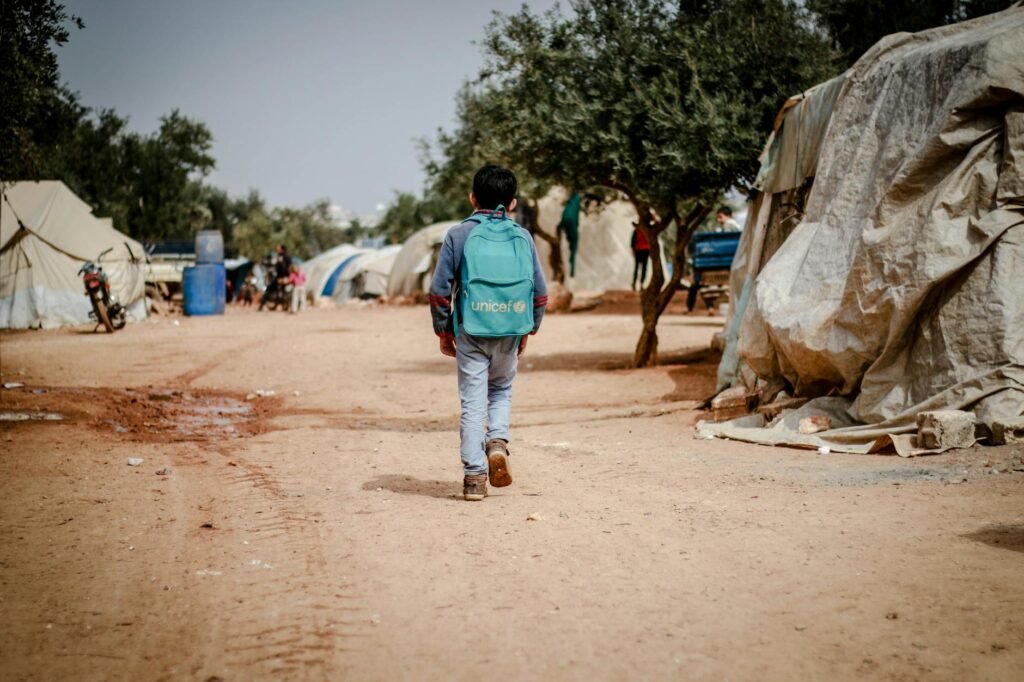
The international humanitarian relief system is confronting an unprecedented crisis, exacerbated by escalating costs for essential commodities driven by the ongoing conflict in the Middle East. This confluence of factors is placing immense pressure on aid organizations and threatening to push already vulnerable populations into deeper destitution. The ripple effects of the war are being felt far beyond the immediate theatre of conflict, impacting global supply chains for food, fuel, and fertilizer, thereby driving up prices for the most basic necessities.
Information reaching Tahir Rihat suggests that the humanitarian infrastructure, already weakened by years of funding cuts and competing global crises, is now struggling to cope with the surge in demand and the prohibitive cost of delivering aid. This situation is particularly dire in regions that are heavily reliant on international assistance, where even minor price increases can have catastrophic consequences for food security and basic survival. The United States Agency for International Development (USAID), a key player in global aid efforts, is reportedly facing significant challenges in its operations, as the cost of its programs escalates dramatically.
The war in the Middle East has disrupted critical trade routes and production centers, leading to a sharp increase in the price of oil, which in turn affects the cost of transportation for all goods, including humanitarian supplies. Furthermore, the conflict has impacted the availability and affordability of fertilizers, a crucial component for agricultural productivity. This is a double blow for countries already grappling with food shortages, as it not only makes imported food more expensive but also hinders their ability to produce food domestically. The interconnectedness of the global economy means that instability in one region can have profound and far-reaching consequences for others, particularly for those with limited resilience.
Aid agencies are now forced to make agonizing decisions about resource allocation, often having to scale back programs or prioritize certain needs over others. This comes at a time when the number of people requiring humanitarian assistance globally is already at a record high, driven by a combination of climate change, economic instability, and ongoing conflicts. The current crisis is compounding these existing vulnerabilities, creating a perfect storm that could lead to widespread famine and social unrest in some of the world’s most fragile states. The United Nations and other international bodies have repeatedly warned about the precarious state of global food security, and the current situation only serves to underscore the urgency of these concerns.
The strain on the humanitarian system is not merely a financial one; it also involves logistical challenges and the sheer capacity to respond to a growing number of crises simultaneously. The war’s impact on fuel prices, for instance, makes it more expensive and difficult to transport aid to remote or conflict-affected areas. This logistical hurdle is compounded by the fact that many of these regions are already experiencing political instability or are difficult to access due to ongoing hostilities. The intricate web of supply chains that underpins humanitarian operations is thus being tested to its limits, with potential breakdowns having severe implications for millions of lives.
The long-term implications of this crisis are significant. If the humanitarian system cannot adapt and secure adequate funding, the progress made in poverty reduction and development in many parts of the world could be reversed. Countries that were on the path to recovery may find themselves pushed back into a cycle of dependence and crisis. The international community faces a critical juncture, where decisive action and increased financial commitment are needed to prevent a humanitarian catastrophe of immense proportions. The current trajectory suggests that without a substantial and coordinated global response, the emerging crisis in vulnerable places could evolve into a widespread disaster.
The interconnectedness of global markets means that the price of a barrel of oil in the Middle East directly influences the cost of a loaf of bread in sub-Saharan Africa or a bag of rice in Southeast Asia. This is a stark reminder of how global events, particularly those involving major economic powers or strategic resources, can have immediate and devastating consequences for ordinary people in distant lands. The current conflict has amplified this effect, creating a situation where the most basic human needs are becoming increasingly unaffordable for those who can least afford it.
The humanitarian sector has been advocating for increased and more predictable funding for years, highlighting the growing gap between needs and available resources. The current crisis, however, has brought this issue to a head, demonstrating the fragility of a system that has been operating on a shoestring budget for too long. The reliance on voluntary contributions from governments and private donors, while essential, has often been insufficient to meet the escalating demands, especially in the face of unforeseen global shocks like the current conflict. This has led to a situation where aid organizations are constantly struggling to maintain their operations, often having to make difficult choices about where and how to intervene.
The impact on fertilizer prices is particularly concerning for agricultural output. Many developing nations rely heavily on imported fertilizers to boost crop yields and ensure food security. The surge in fertilizer costs, driven by energy prices and supply chain disruptions linked to the Middle East conflict, means that farmers in these regions are either unable to afford the necessary inputs or are forced to use less, leading to reduced harvests. This creates a vicious cycle where lower agricultural production leads to higher food prices, further exacerbating food insecurity and malnutrition.
The United States, as a major donor to humanitarian aid, is under pressure to increase its contributions and find innovative ways to support aid organizations. However, domestic economic considerations and competing priorities can often influence foreign aid budgets. The current geopolitical landscape, with its focus on immediate security concerns, may also divert attention and resources away from long-term humanitarian needs. This is a delicate balancing act for policymakers, who must weigh immediate crises against the imperative of addressing underlying vulnerabilities that could lead to future instability.
The situation calls for a multifaceted approach, including increased financial aid, diplomatic efforts to de-escalate conflicts, and investments in sustainable agriculture and resilient supply chains. Without such measures, the world risks facing a humanitarian crisis of unprecedented scale, with devastating consequences for millions of lives and global stability.


Tahir Rihat (also known as Tahir Bilal) is an independent journalist, activist, and digital media professional from the Chenab Valley of Jammu and Kashmir, India. He is best known for his work as the Online Editor at The Chenab Times.