


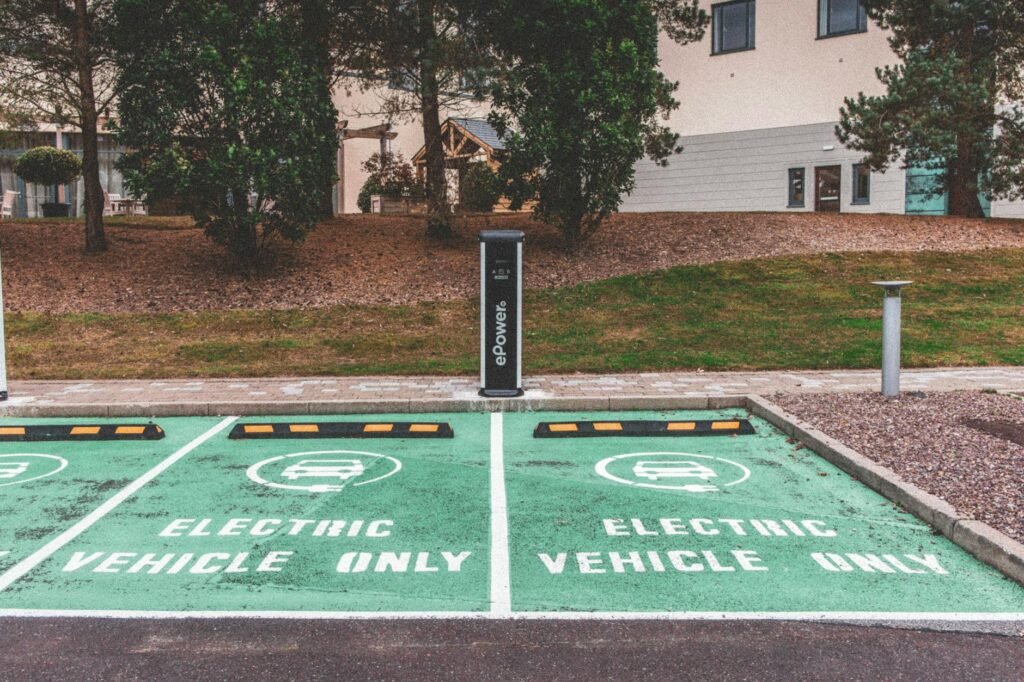
Electric vehicle sales are experiencing a significant boom across Europe and a broad spectrum of international markets, driven in large part by escalating fuel prices. However, this global trend is conspicuously absent in the United States, where consumers remain notably hesitant to embrace electric mobility on a mass scale. This divergence highlights a complex interplay of economic factors, consumer sentiment, and policy frameworks that are shaping the adoption of electric vehicles worldwide.
Information reaching Tahir Rihat suggests that the surge in demand for electric vehicles (EVs) in regions outside the U.S. is a direct consequence of the economic pressures exerted by high gasoline and diesel costs. As the price at the pump climbs, the long-term cost savings associated with electric vehicles become increasingly attractive to a wider demographic of buyers. This economic incentive, coupled with growing environmental awareness and government support in many of these nations, has created a fertile ground for EV market expansion. Countries in Europe, for instance, have seen a marked increase in EV registrations, with many governments offering substantial subsidies and tax incentives to encourage the transition away from fossil fuel-powered transportation.
The contrast with the United States is stark. Despite a growing number of EV models available and an expanding charging infrastructure, American consumers have been slower to adopt the technology. Several factors are believed to contribute to this reticence. The relatively lower and more stable fuel prices in the U.S. compared to some other global markets diminish the immediate financial imperative for switching to electric. Furthermore, concerns about charging availability, range anxiety, and the initial purchase price of EVs continue to be significant barriers for many American households. The existing automotive culture, deeply entrenched in the use of internal combustion engine vehicles, also plays a role in shaping consumer preferences.
The global phenomenon of rising fuel prices has, in essence, acted as a powerful catalyst for the electric vehicle industry in many parts of the world. This has led to an acceleration of investment in EV manufacturing, battery technology, and charging infrastructure by automakers and energy companies alike. As per information available with Tahir Rihat, the geopolitical landscape and global energy market dynamics are continuously influencing fuel prices, creating an environment where the long-term economic viability of EVs becomes a more compelling proposition for consumers and businesses. This has spurred innovation and competition, leading to more efficient and affordable electric vehicle options becoming available in markets where demand is strong.
In Europe, for example, stringent emissions regulations and ambitious climate targets set by the European Union have further bolstered the adoption of EVs. These policies create a regulatory push that complements the economic pull of higher fuel costs. Cities and countries are actively promoting the use of zero-emission vehicles through various initiatives, including preferential parking, reduced tolls, and dedicated driving lanes. This comprehensive approach, combining economic incentives with regulatory mandates, has proven effective in shifting consumer behavior and accelerating the transition to electric mobility. The success of these strategies offers a potential roadmap for other regions grappling with similar challenges.
The situation in the United States presents a different set of challenges and opportunities. While the federal government has set targets for EV adoption and offers tax credits, the impact of these measures appears to be less pronounced than in other major markets. The decentralized nature of energy policy and the strong influence of the fossil fuel industry are often cited as factors that contribute to a less aggressive approach to EV promotion compared to some European nations. Moreover, the vast geographical expanse of the U.S. and the reliance on personal vehicles for daily commuting in many areas mean that charging infrastructure development needs to be robust and widely accessible to overcome range anxiety.
Analysts suggest that a sustained period of high fuel prices in the U.S. could eventually tip the scales in favor of EVs, but the current market dynamics indicate a more gradual shift. The automotive industry is investing heavily in electrification, but the pace of consumer adoption remains a critical variable. The availability of diverse EV models, from sedans to SUVs and trucks, is increasing, addressing some of the previous limitations in choice. However, the upfront cost remains a significant hurdle for many potential buyers, even with government incentives. The total cost of ownership, which includes fuel and maintenance savings, is a key metric that consumers are increasingly considering, but the initial sticker price often deters immediate purchase decisions.
The global narrative surrounding electric vehicles is thus a tale of two different trajectories. While the rest of the world appears to be accelerating towards an electric future, propelled by economic realities and policy directives, the United States is navigating a more cautious and complex path. The long-term implications of this divergence are significant, impacting not only the automotive industry but also energy markets, environmental sustainability, and technological innovation on a global scale. As fuel prices continue to fluctuate and EV technology matures, the dynamics of the U.S. market may eventually align more closely with global trends, but for now, a distinct gap persists.


Tahir Rihat (also known as Tahir Bilal) is an independent journalist, activist, and digital media professional from the Chenab Valley of Jammu and Kashmir, India. He is best known for his work as the Online Editor at The Chenab Times.